
Mechanical Stamping Presses Buying Guide
Find a press that fits your die, your material, and your production goals. Compare straight-side double-crank, OBI flywheel, gap-frame, and back-geared presses before you buy.
Niagara straight-side press. Photo from Alma Machinery Co.–Columbia, TN.
Start with the part, the die, and the production run
Buying a used mechanical stamping press starts with a simple question: what does your tooling need the machine to do? A press can have plenty of tonnage and still be the wrong buy if the die will not fit, the stroke will not clear the finished part, or the feed cannot keep up.
For larger dies and production stamping, straight-side double-crank presses are a natural place to start. Smaller work may fit an OBI flywheel press, a single-crank gap-frame press, or a back-geared OBI press. This guide explains how those options compare, what the important specifications actually mean, and where a low purchase price can turn into an expensive project.
A conventional mechanical press uses a motor and flywheel to store energy, then a crank or eccentric mechanism moves the slide through its stroke. With the right die, that motion can blank, pierce, bend, or form metal. The machines here are stamping presses; they are not substitutes for a press brake simply because both are rated in tons.
Common mechanical stamping press types
One detail makes shopping easier: these names overlap. Straight-side and gap-frame describe the frame; single- and double-crank describe the slide drive arrangement. Flywheel and back-geared distinguish conventional drive designs. OBI means open back inclinable, although sellers sometimes use OBI loosely. Confirm the actual machine configuration before buying.
Straight-Side Double-Crank Presses
If your die is wide, carries several progressive stations, or needs more working area than a compact C-frame offers, start here. Two drive points act on one slide, while uprights on both sides support the frame. That arrangement is useful for larger production tooling, but the press still has limits on off-center loading and how the load is distributed across its bed.
Look closely at bed length and depth, side-window clearance, shut height, and upper die weight. A long die that physically fits can still exceed the machine’s allowable loading. Ask the press manufacturer or a qualified application specialist to review the complete die layout.
Typical Pricing
For used equipment, allow roughly $8,000–$30,000 for some older, smaller machines and $50,000–$200,000 for many larger production presses. Rebuilt machines, newer controls, and high-capacity presses can reach $250,000–$650,000 or more. Size alone does not set the price: a documented rebuild, usable feed package, and condition of the clutch, bearings, and slide guides can make a major difference.

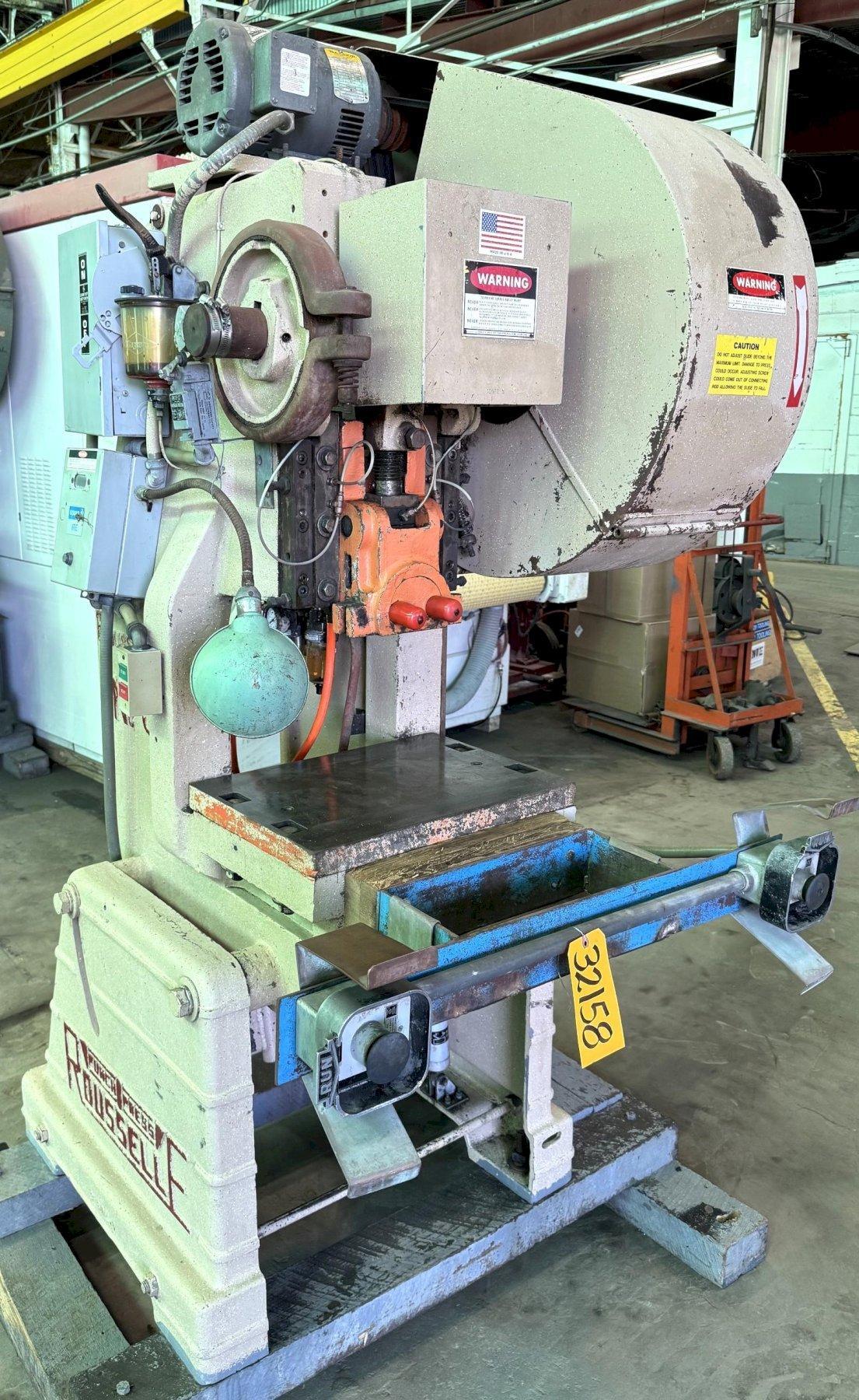
Single-Crank OBI Flywheel Presses
For smaller blanking, piercing, and shallow forming jobs, a flywheel OBI can be a practical, relatively affordable starting point. The open frame gives access around the die, and the direct flywheel drive is commonly associated with faster, shorter-stroke work. An inclinable frame may help with gravity discharge when the tooling and handling arrangement are designed for it.
Pay particular attention to throat depth, die space, stroke, and the clutch/brake arrangement. An older press with a simple trip mechanism is a different purchase from a machine with documented modern controls. Have the machine and its proposed safeguarding evaluated for your application; a seller’s mention of palm buttons or light curtains is not enough by itself.
Typical Pricing
Small, older used presses commonly appear around $1,500–$10,000. Larger examples and machines with more complete controls can fall around $15,000–$30,000 or more. Low-cost machines may need substantial control, brake, lubrication, or guarding work, so compare the ready-to-run cost rather than just the asking price.
Gap-Frame Single-Crank Presses
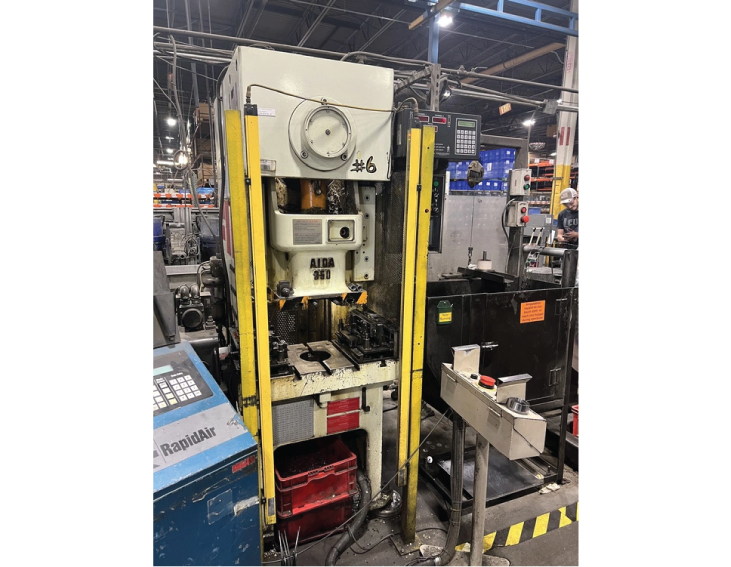
A gap-frame, or C-frame, press is worth considering when you want access from the front and sides without the footprint of a large straight-side machine. Modern single-point models are common choices for smaller progressive dies and general stamping work. Some are fixed upright machines, often described as OBS; do not assume every gap-frame press inclines.
The open throat helps with access, but frame deflection and off-center loading still matter. Match the die to the manufacturer’s permitted loading, not just the width of the opening. Check whether the advertised tonnage is in U.S. tons or metric tons, especially when comparing imported machines.
Typical Pricing
A useful starting budget is about $7,500–$25,000 for many smaller used mechanical gap-frame presses. Larger machines, later models, and packages with servo feeds or updated controls can run $40,000–$90,000 or more. Hydraulic and servo presses sometimes appear in the same search results, so compare like-for-like machines before judging a price.
Back-Geared OBI Presses
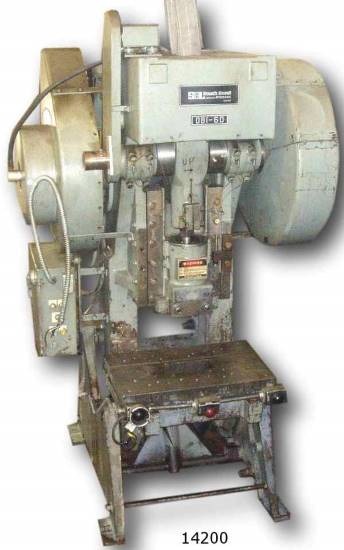
A back-geared OBI uses gear reduction between the flywheel drive and crankshaft. Compared with a direct-drive flywheel press, this arrangement commonly trades speed for greater torque at the crank. It can be a better candidate for slower forming work, provided its tonnage curve, available energy, and stroke suit the job.
Back gearing does not mean the press can deliver its full rated tonnage anywhere in the stroke. Ask for the capacity and energy information for the exact model, then inspect the gearing, lubrication, clutch, and brake condition. A reassuring paint job tells you very little about those parts.
Typical Pricing
Many older used machines fall around $4,000–$20,000, with refurbished examples or machines with more complete controls around $25,000–$35,000 and up. Very low asking prices usually warrant closer investigation of condition and completeness. Allow more for larger capacity, a documented rebuild, and a package that includes usable feeding equipment.
Match the Press to Your Work
For brackets, washers, clips, and other relatively shallow stampings, a compact OBI or gap-frame press may cover the job well. As the die gets wider, the number of stations grows, or bed rigidity becomes more important, a straight-side double-crank machine becomes a stronger candidate. A back-geared OBI is worth comparing when the job favors a slower forming stroke rather than the fastest possible cycle.
For deeper draws, long dwell requirements, or force needed through a longer working distance, compare the application with a hydraulic press before committing to a conventional mechanical machine. For bending long sheet-metal panels with a punch and die, see the CNC press brake buying guide. Start with the process and tooling requirements, then choose the machine family.
Key Specifications to Compare
The numbers that matter most are tonnage, bed and slide dimensions, stroke length, shut height or die height, slide adjustment, and strokes per minute. Together, they tell you whether your die fits and whether the press can do the work at a useful production rate. Side windows and throat depth determine access; clutch/brake type and controls affect how the machine can be integrated into your operation.
Check out more details on each of the mechanical stamping press key specs below!
Tonnage: check where the force is available
A 200-ton mechanical press is not a 200-ton machine at every point in its stroke. Its full capacity is rated at a specified distance above bottom dead center. If your forming operation needs substantial force higher in the stroke, the headline capacity may be misleading. Have your die requirements checked against the exact press’s tonnage curve, energy capacity, and allowable reverse and off-center loads.
Also confirm the units. A metric ton-force is about 1.102 U.S. short tons-force, so a model advertised as 200 metric tons may appear in another listing as roughly 220 U.S. tons. That is a unit conversion, not extra capacity.
Bed, bolster, and slide size: will the whole die fit?
Dimensions such as 72 inches L-R by 42 inches F-B describe width from left to right and depth from front to back. Check the usable bolster surface, slide face, mounting pattern, and scrap opening—not just the outside bed dimensions. You need room for clamps, feed entry, part discharge, and die changes. On a straight-side press, measure the side windows; on a gap-frame machine, check throat depth and the opening at the back.
Shut height and die height: confirm the measuring surfaces
This is an easy place to make an expensive mistake. Sellers may quote shut height to the bed or usable die height over the bolster, and those are different dimensions. Ask for the distance from the bottom of the slide to the top of the installed bolster with the slide at bottom dead center, plus the adjustment position used for that measurement. SDAU means slide down, adjustment up.
For example, 20 inches measured to the bed with a 5-inch bolster leaves 15 inches above that bolster, at the same slide setting. Have the seller confirm the actual installed arrangement, including any subplates. Slide adjustment changes die space; it usually does not change the press’s stroke length.
Stroke length: leave room for the part and feed
A short stroke can be a good fit for flat blanking work. A formed part, transfer mechanism, or taller tool may need more opening. Check clearance throughout the cycle, including stripping and removal of the finished part. Many conventional presses have a fixed stroke, so do not assume you can dial in more travel after delivery.
Strokes per minute and available energy
The highest listed SPM is not a promise of finished parts per minute. Your die, feed length, material handling, lubrication, and discharge all affect the sustainable rate. Ask about the energy available at the speed you intend to run; slowing a flywheel press can reduce available working energy. A realistic demonstration with representative tooling is more useful than watching the press cycle empty at maximum speed.
Controls, clutch/brake, and supporting equipment
Find out exactly which control, clutch, brake, tonnage monitor, and die-protection system are installed. Get the manuals and electrical drawings, and check support for obsolete components. If a coil feed, straightener, reel, cushion, or quick-die-change package is shown in the photos, ask whether it is included and whether it suits your material and tooling. An attractive press price does not automatically include the rest of the line.
What to Inspect Before Buying Used
Ask for maintenance records, repair history, and a demonstration under power before arranging an inspection. A freshly painted machine may be excellent, but paint cannot tell you about crankshaft bearing clearance, slide parallelism, or a worn brake. Have a qualified press technician inspect the frame, slide guides, crank and connecting components, lubrication system, clutch/brake, and controls.
Pay attention to cracked or repaired frame areas, damaged bolster surfaces, oil delivery, unusual noise, and inconsistent stopping behavior. Ask the technician to document measurements and assess the proposed tooling and safeguarding. Do not accept an unloaded video as proof that the press will hold accuracy or deliver the required energy on your job.
A press that has been rebuilt can be a good purchase when the scope is clear. Request an itemized rebuild record: which bearings, guides, clutch/brake parts, controls, and lubrication components were repaired or replaced, what was measured afterward, and what warranty applies. “Reconditioned” can mean very different things from one seller to another.
Budget Beyond the Purchase Price
The ranges above are approximate U.S.-dollar asking-price budgets based on advertised used inventory and dealer comparisons reviewed in October 2026. They are not appraisals or completed-sale prices. Availability, condition, included accessories, and the seller’s terms can move the total substantially; freight, tax, rigging, installation, and tooling are extra unless specifically included.
Before making an offer, get quotes for disconnection, loading, freight, unloading, foundation work, electrical and air connections, and commissioning. Large straight-side presses may require disassembly, special transport, a pit, or substantial foundation work. Confirm overall height, shipping weight, access through your building, and any floor-loading requirements with the appropriate specialists.
Then budget for the production package: tooling, feed equipment, guarding and controls, die handling, initial maintenance, and spare parts. A higher-priced press with documented condition and useful accessories may cost less to put into production than a cheap machine that needs a major rebuild.
Mechanical Press Buyer’s Checklist
- Start with the job: material, thickness, part drawing, die layout, required force and energy, and realistic production rate.
- Confirm tooling fit: bed and slide area, mounting, die height over the installed bolster, stroke, adjustment range, and upper die weight.
- Check loading limits: full-tonnage rating point, energy at operating speed, off-center load limits, and any reverse-load restrictions.
- Verify the complete package: press serial number, control model, clutch/brake type, included feed equipment, manuals, drawings, and repair records.
- Arrange a qualified inspection: mechanical condition, measured clearances, stopping performance, controls, and application-specific safeguarding.
- Price the move and startup: loading terms, transport, foundation, utilities, installation, commissioning, and any required upgrades.
Frequently Asked Questions
No. Double-crank describes two drive points acting on a slide. A single-action double-crank press still has one main working slide. Double-action presses have separate actions, typically including a blankholder and forming slide. If your tooling needs that arrangement, compare double-action straight-side presses specifically.
Choose enough capacity and energy for the actual operation, with the margin recommended by the tooling and press specialists. Buying extra headline tonnage does not solve inadequate die space, an unsuitable rating point, or excessive off-center loading. A correctly matched smaller press may be the better production machine.
Often, yes—provided each die fits the machine’s usable area, die-height range, stroke, weight, load, and energy limits. Feed and control requirements also need to match. Check the most demanding die in your planned mix rather than assuming that every tool for the same nominal tonnage will fit.
Both are conventional mechanical presses using stored flywheel energy. A direct-drive flywheel press commonly favors faster, lighter work; back gearing reduces crank speed and increases torque. The exact model’s capacity curve, energy, stroke, and condition decide whether it fits your job.
It can be, when the frame and mechanical components are sound, replacement parts and service are available, and the controls and safeguarding can support your application. Compare the inspected, installed cost with a newer or rebuilt alternative. Age by itself does not establish condition.
Popular Straight-Side and Gap-Frame Presses
Popular equipment based on listing views over the past month.
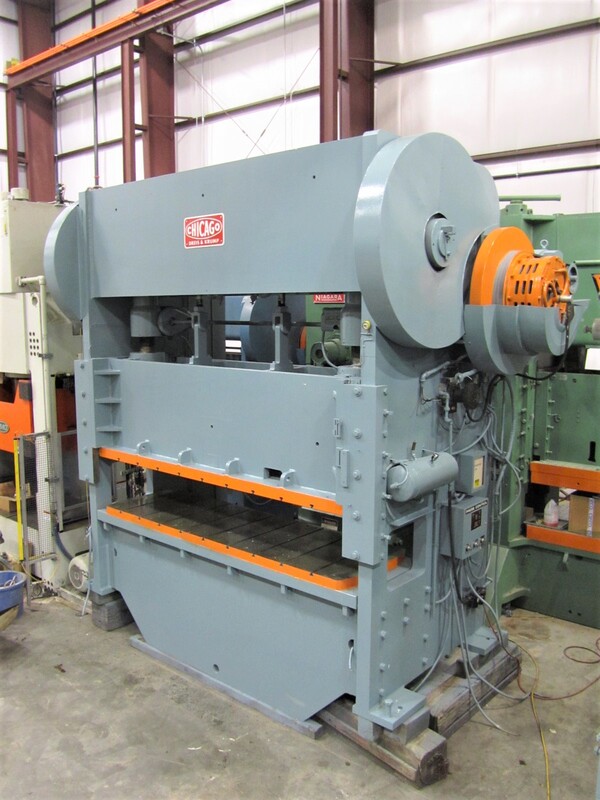
400 Ton, Chicago #SS400, straight side double crank, 8" stroke, 18" Shut Height, 120" x36" bed, 10-30 SPM, under power
Straight Side Double Crank (Single Action) Press Machines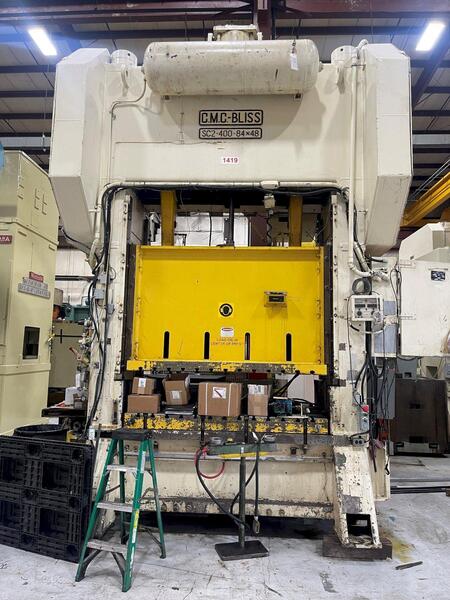
400 Ton, Bliss #SC2-400-84-48, straight side double crank press, 12" stroke, 30.5" Shut Height, air clutch & brake
Straight Side Double Crank (Single Action) Press Machines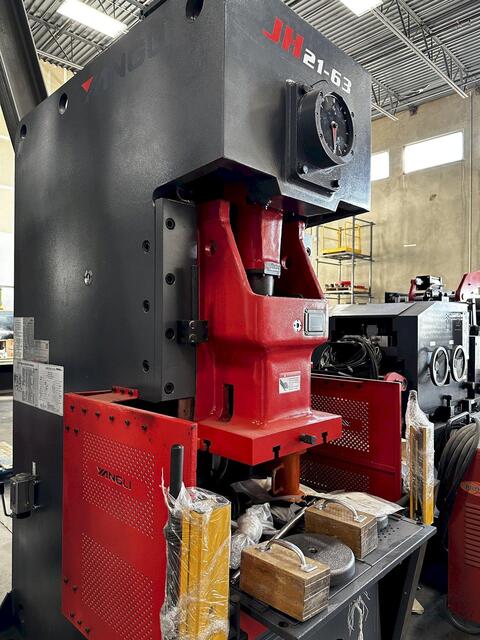
63 Ton, Yangli #JH21-63, OBI press, 4.72" stroke, 11.81" die height, 3.15"adj., 70 SPM, 47" OD, 18"-20" ID, feedline, 2023, new
Gap Frame Single Crank Press Machines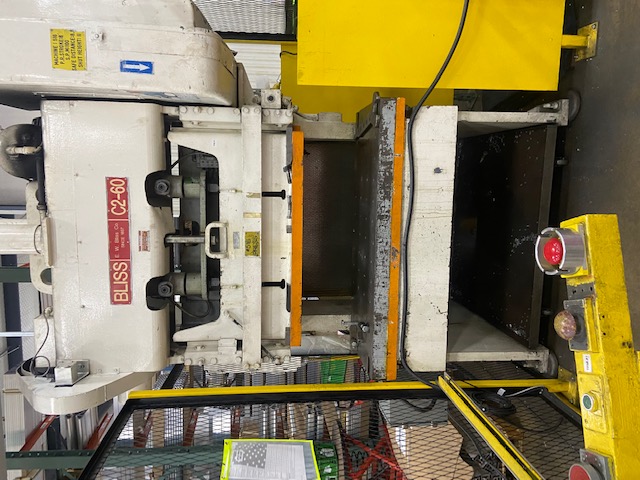
Bliss #C2-60, straight side double crank, 100 SPM, 3" stroke, air clutch & brake, 28" x 48" bed, light curtain, dual push button, OSHA approved, s/n H70004, 1985
Straight Side Double Crank (Single Action) Press Machines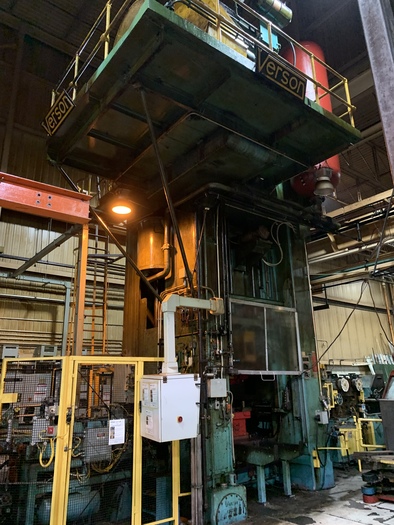
1500 Ton, Verson #S1-1500-60-60T, single point stamping press, 18" stroke, 42" Shut Height, 14 SPM
Straight Side Double Crank (Single Action) Press Machines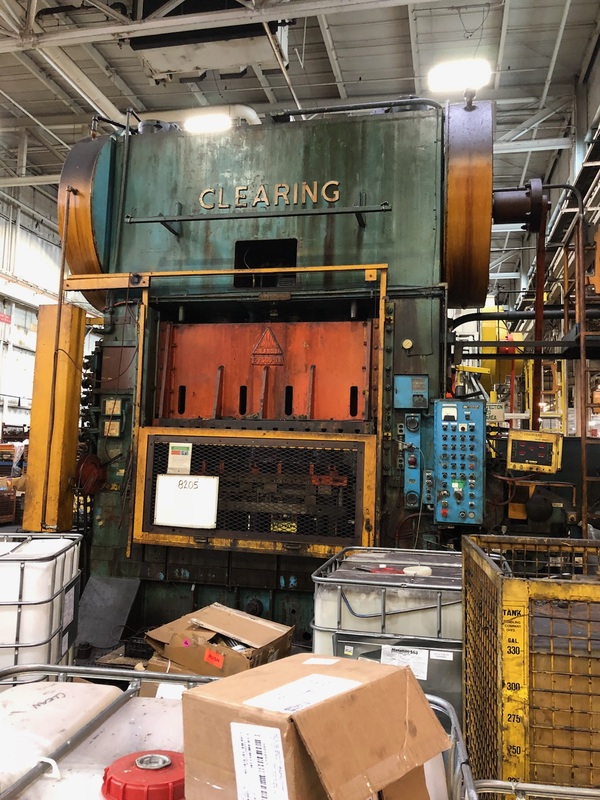
600 Ton, Clearing #SE2-600-84-54, 12" stroke, 38" Shut Height, 6" adj., 15-45 SPM, 84" x54" bed, #2400617
Straight Side Double Crank (Single Action) Press Machines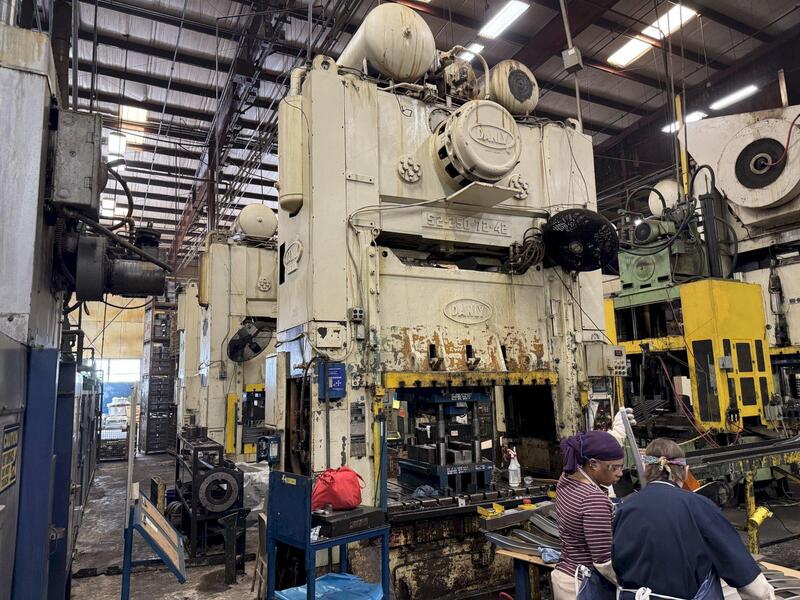
250 Ton, Danly #S2-250-72-42, straight side double crank, 12" stroke, 30.5" Shut Height, 10" adjustment, 27-36 SPM, 72" x42" bed
Straight Side Double Crank (Single Action) Press Machines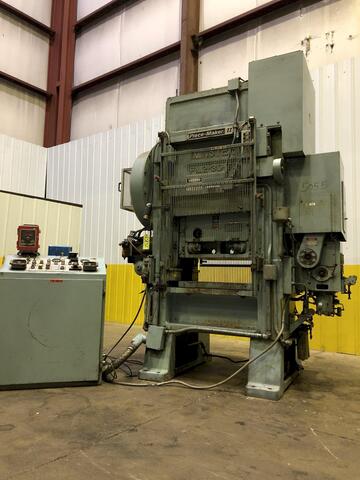
30 Ton, Minster #PM2-30-30, straight side double crank press, 1.5" stroke, 11" Shut Height, 1.5" adj., 100 SPM, air clutch & brake, #13132
Straight Side Double Crank (Single Action) Press Machines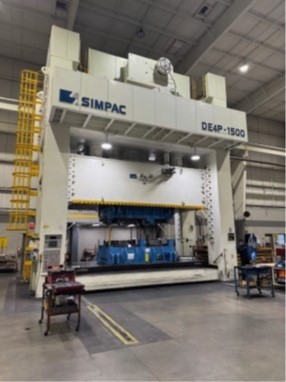
1500 Ton, Simpac #DE4P-1500, 240" x 98" bed, 36" stroke, 56" Shut Height, 10-40 SPM, 2017
Straight Side Double Crank (Single Action) Press Machines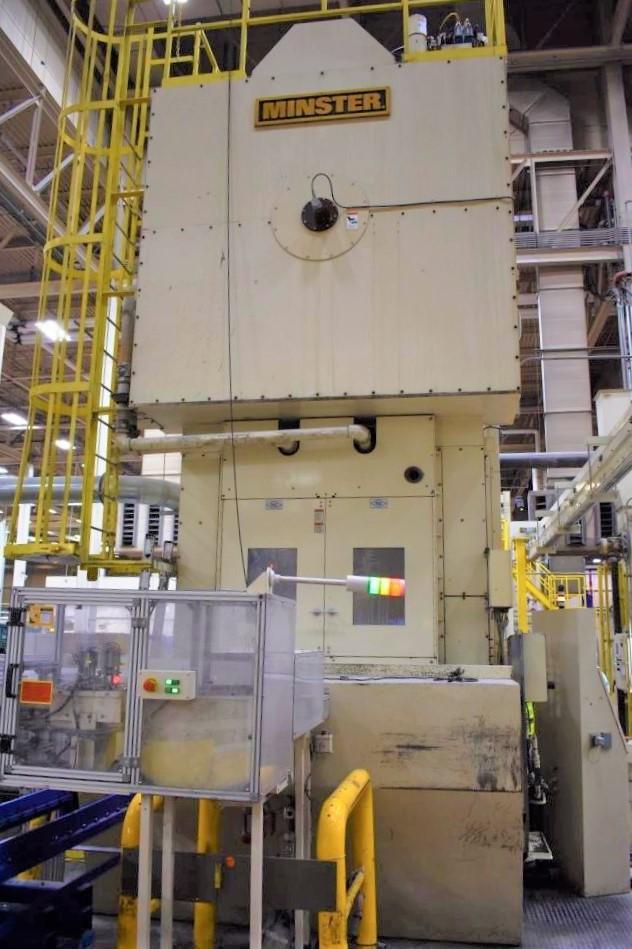
1200 Ton, Minster #E2-1200-120-60, eccentric geared straight-side transfer press, 12" stroke, 44" SH
Straight Side Double Crank (Single Action) Press Machines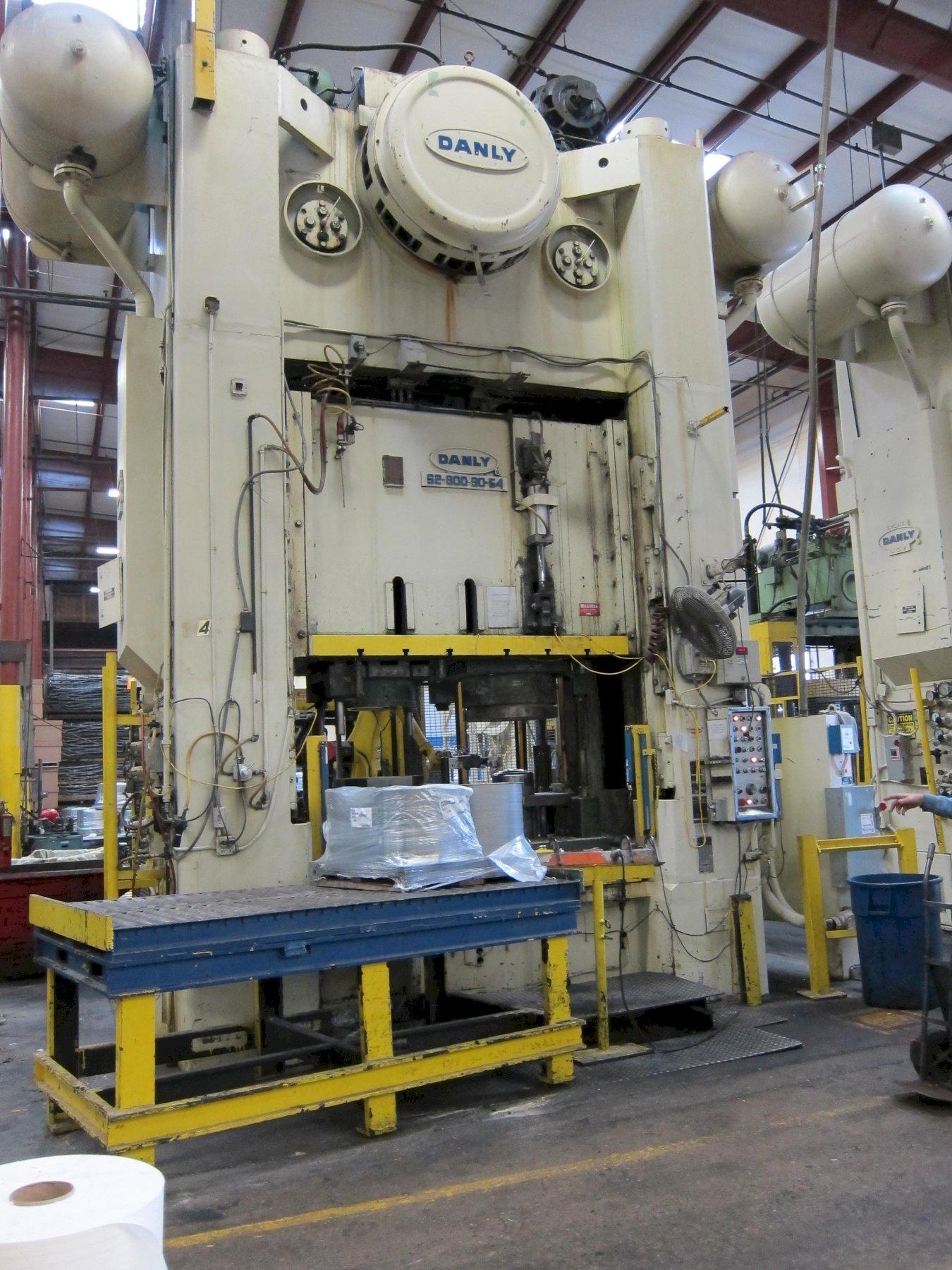
800 Ton, Danly #S2-800-90-54, stamping press tandem line, 24" stroke, 38" Shut Height, 12" adj., 20-24 SPM
Straight Side Double Crank (Single Action) Press Machines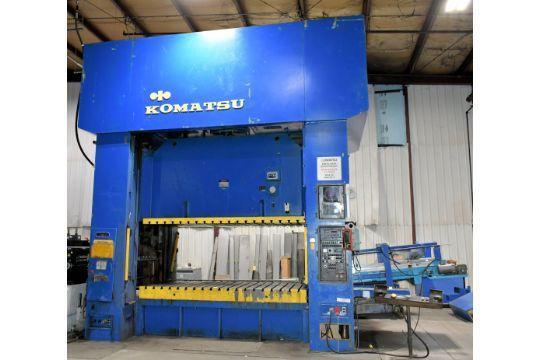
500 Ton, Komatsu #E2P-500, straight side metal stamping press, 11.8" stroke, 41.7" Shut Height, 1988
Straight Side Double Crank (Single Action) Press Machines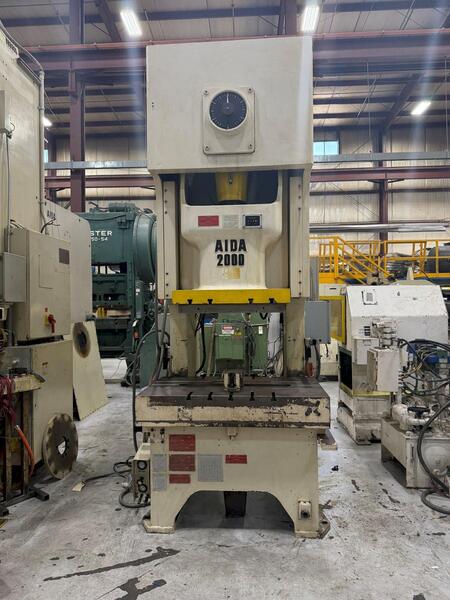
200 Ton, Aida #NC1-2000(2), single pojt gap mechanical metal stamping press, 9.84" stroke, 20.14"Shut Height, 2010
Gap Frame Single Crank Press Machines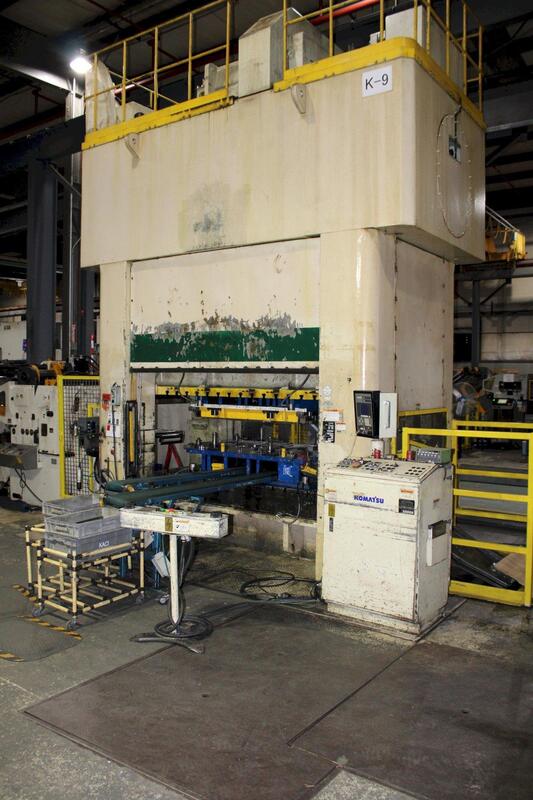
40 Ton, Komatsu #L2M400-3BM, straight side double crank press, 11.8" stroke, 27.6" Shut Height, 96" x 49" Bed, 25-60 SPM, 5.9" ram adj, 47" windows, 2001
Straight Side Double Crank (Single Action) Press Machines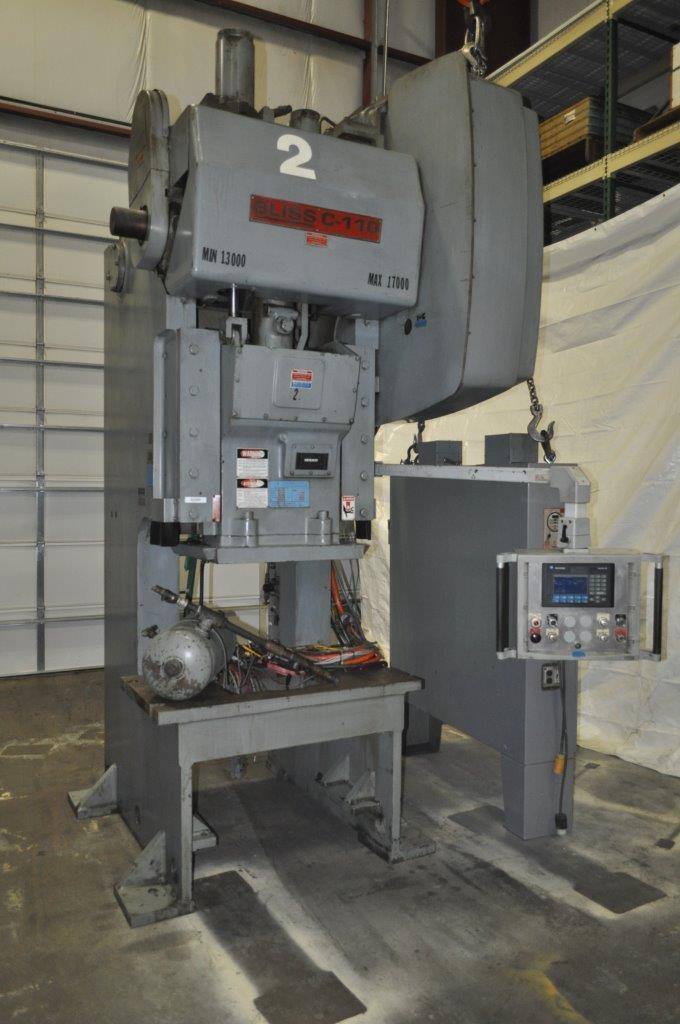
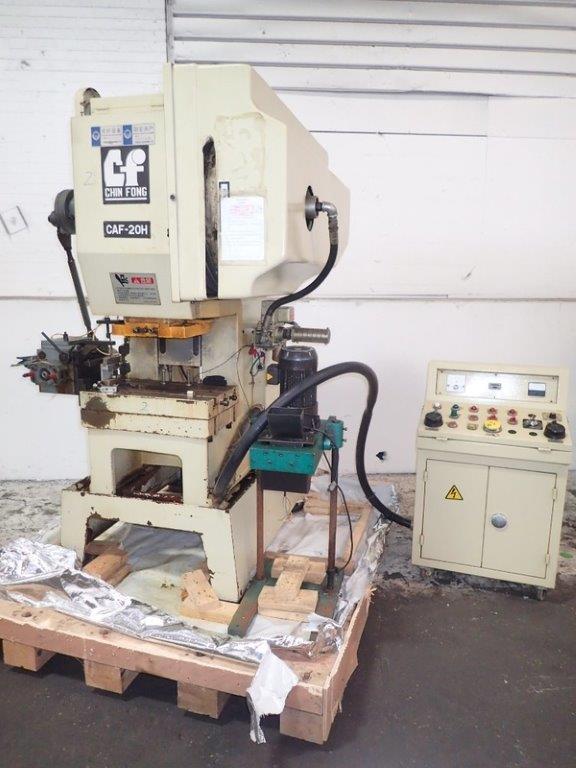
Popular OBI Flywheel and Back-Geared Presses
Popular equipment based on listing views over the past month.
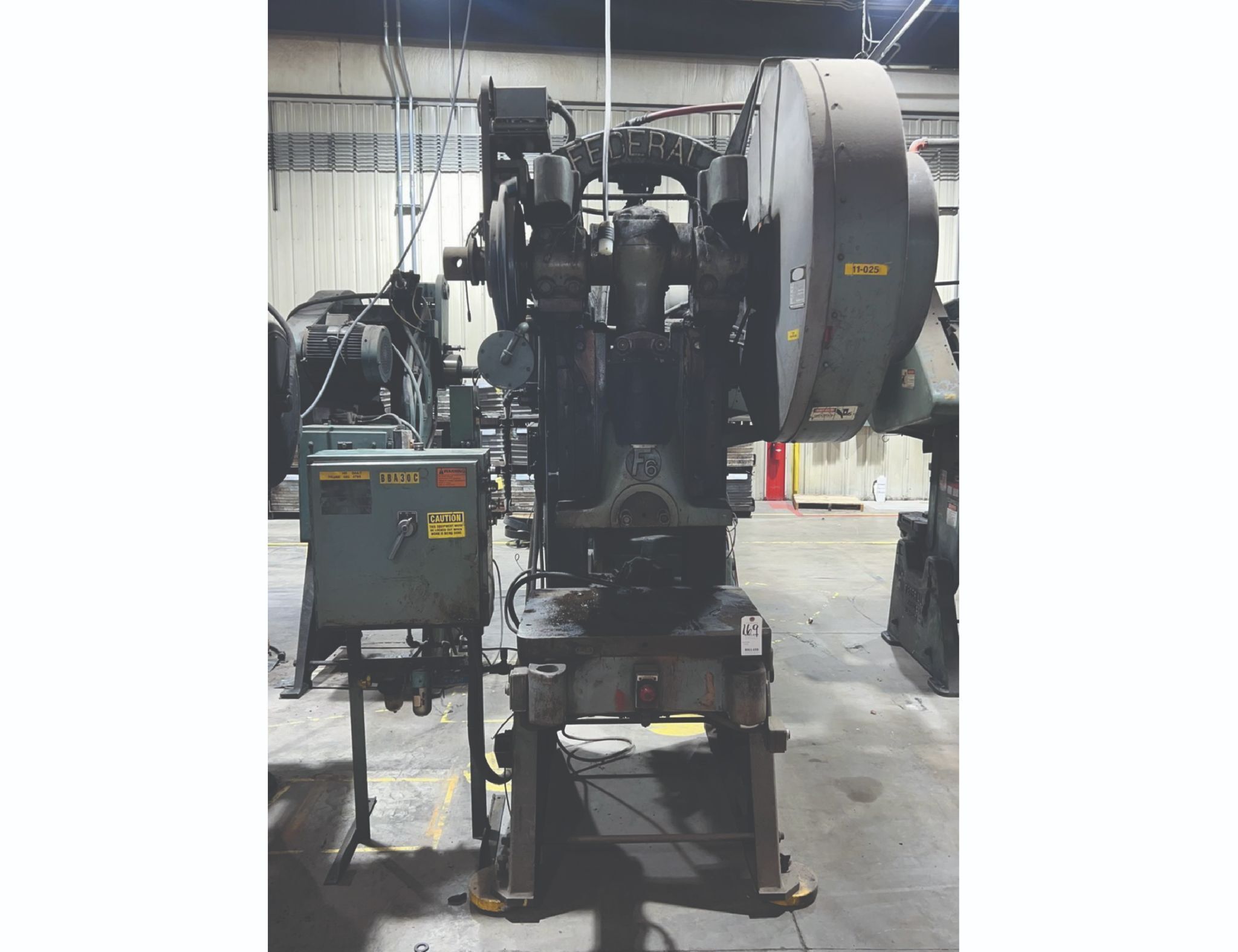
70 Ton, Federal #6, single crank flywheel OBI press, 4" stroke, 13.5" Shut Height, 3" adj., 75 SPM, 33" x25.5" bed, 1975
Single Crank OBI Flywheel Press Machines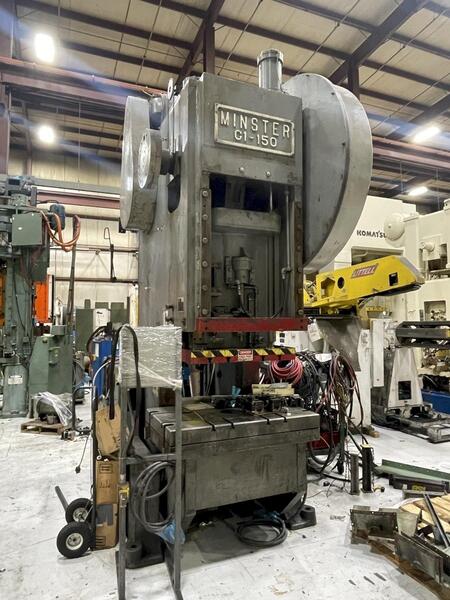
150 Ton, Minster #G1-150, OBI press, 6" stroke, 21" Shut Height, air clutch & brake, 40-80 VSPM
Single Cranked Back Gear OBI Press Machines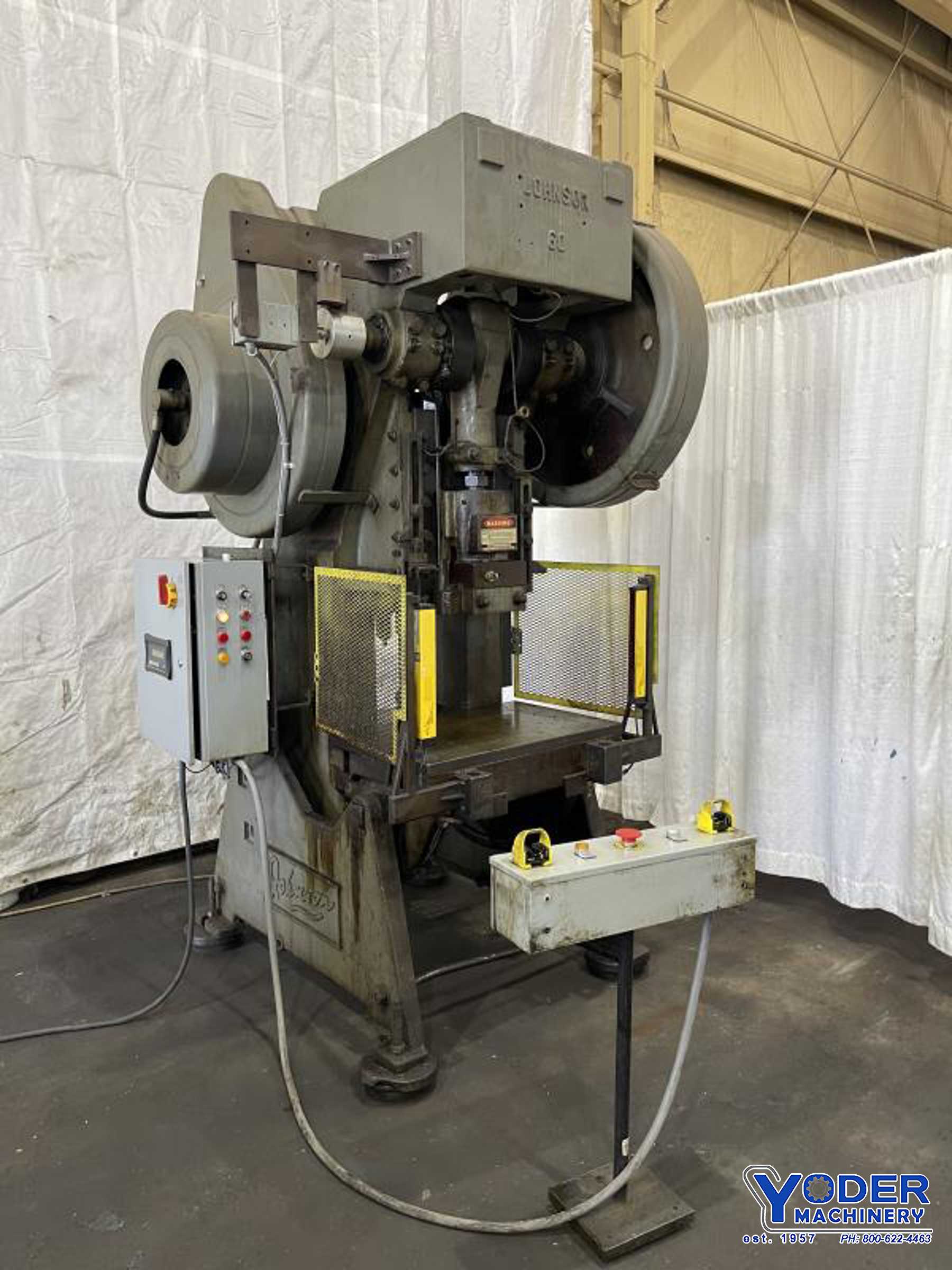
60 Ton, Johnson #60-BG-AC, OBI press, 4" stroke, 12-1/4" Shut Height, air clutch & brake, #74306
Single Cranked Back Gear OBI Press Machines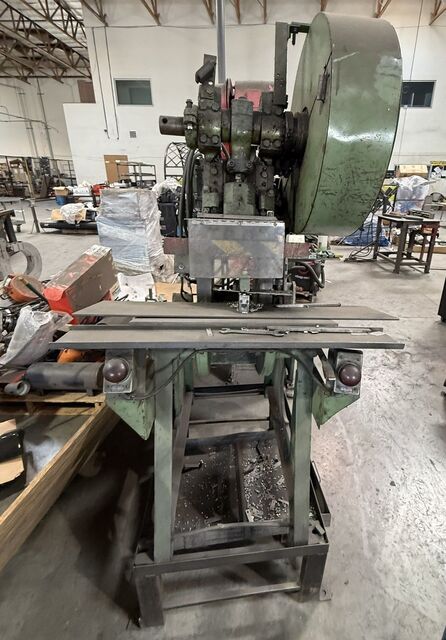
Benchmaster, bench type OBI Punch Press
Single Crank OBI Flywheel Press Machines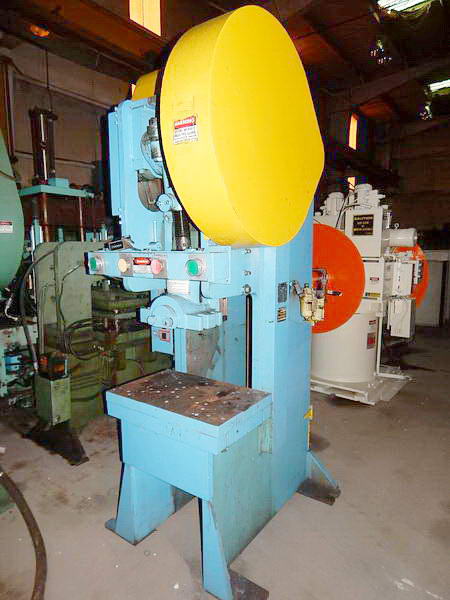
55 Ton, Heim #5GA-BG, gap frame press, 6" stroke, 15-1/2" Shut Height, 60 SPM, air clutch & brake
Single Crank OBI Flywheel Press Machines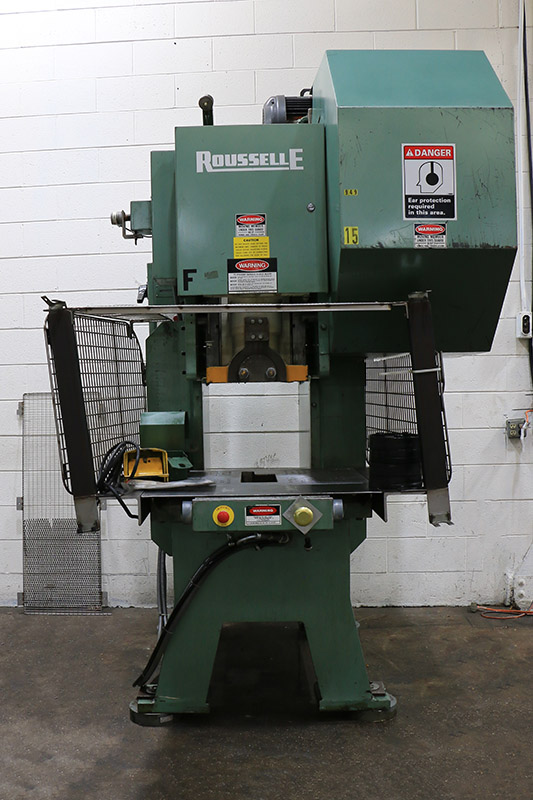
70 Ton, Rousselle #G1-70, 6" stroke, 11" throat, 11.5" Shut Height, 2" adj., air clutch & brake, 1997, #159004
Single Crank OBI Flywheel Press Machines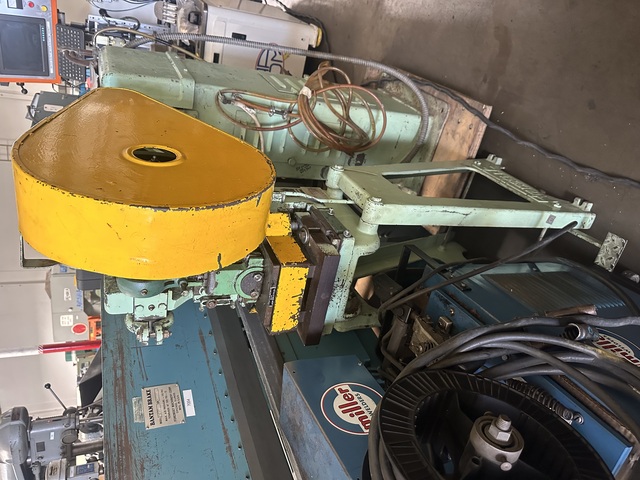
5 Ton, Rousselle #OG, OBI Punch Press, OG
Single Crank OBI Flywheel Press Machines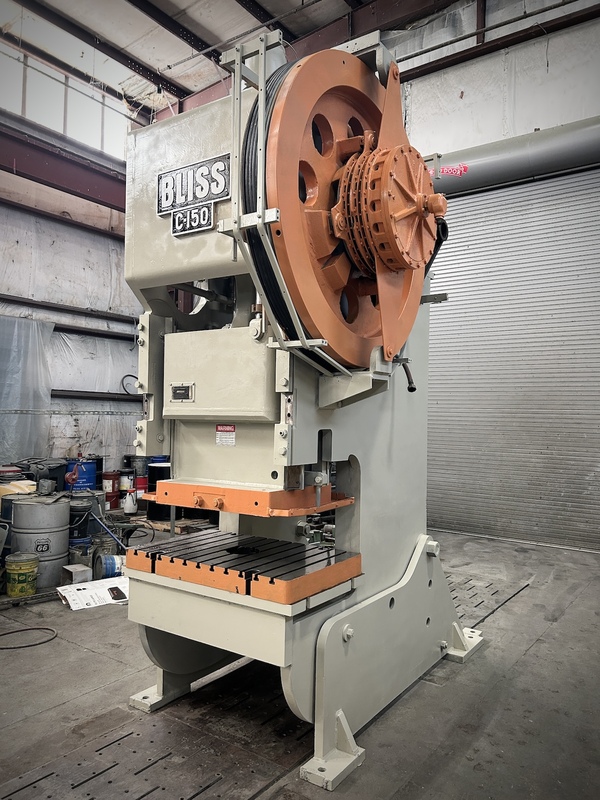
150 Ton, Bliss #C-150, OBI, 6" stroke, 18" Shut Height, 50" x30" bed, 4.5" adj, 70 SPM, air clutch & brake, 1970
Single Crank OBI Flywheel Press Machines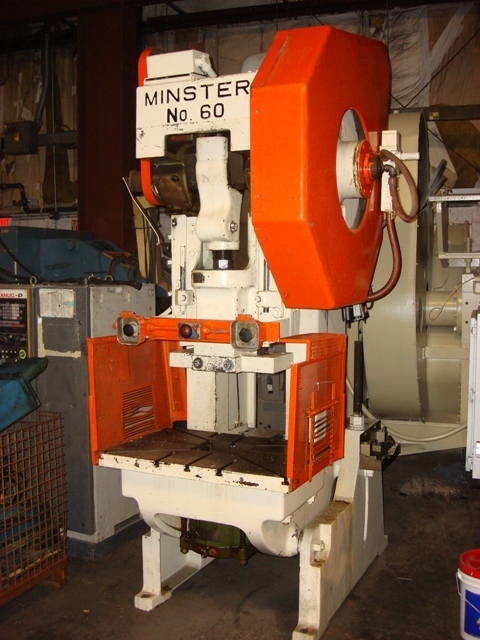
60 Ton, Minster #6036, OBI press, 5" stroke, 13.5" Shut Height, 3" adj., 32" x 21" bed, air clutch & brake, 7.5 HP, 120 SPM, 1960, #12590J
Single Crank OBI Flywheel Press Machines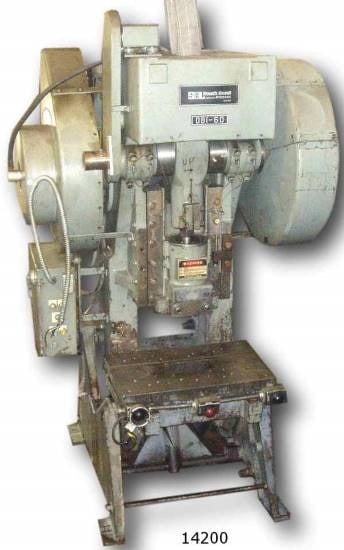
60 Ton, Johnson #60-BG-AC, OBI press, 4" stroke, 46 SPM, 32" x 21" bed, 3.5" adj, 7.5 HP, air clutch & brake, 1972
Single Cranked Back Gear OBI Press Machines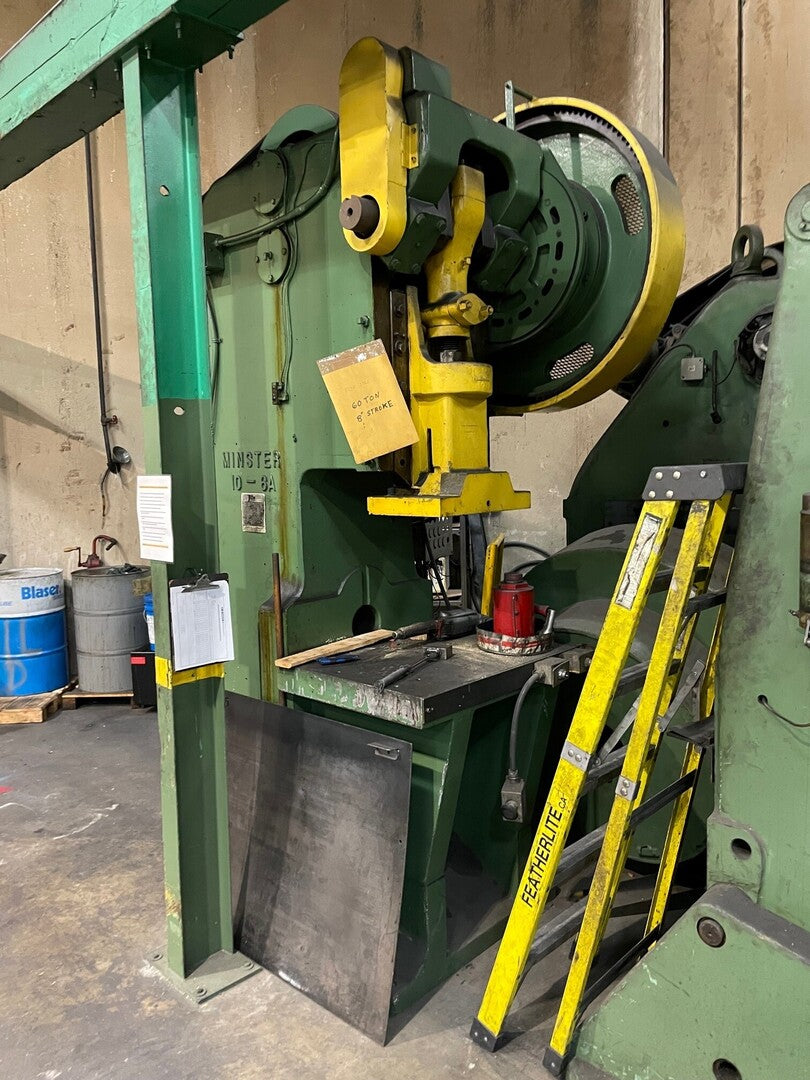
60 Ton, Minster #10-6A, OBI press, 8" stroke, 3" slide adjustment
Single Crank OBI Flywheel Press Machines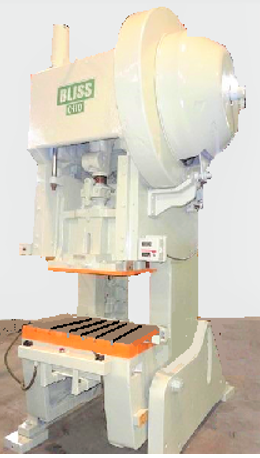
110 Ton, Bliss #C110, OBI press, 6" stroke, 21" Shut Height, 42" x27" bed, 28" x22" ram, reconditioned, 1971
Single Cranked Back Gear OBI Press Machines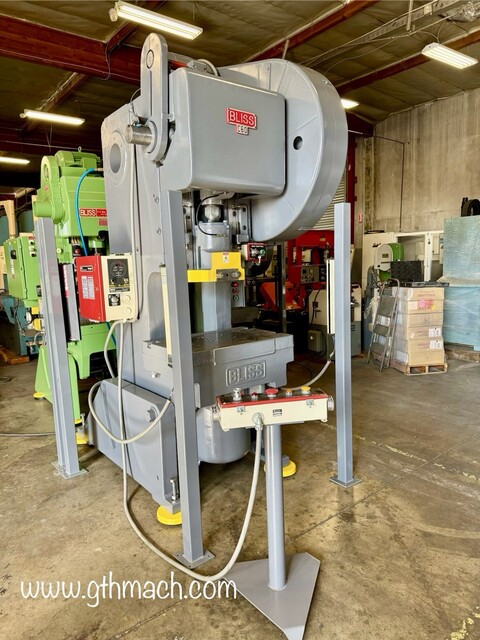
60 Ton, Bliss #C-60, Punch Press, refurbished, 4" stroke, 32" x 22" bed, 3" adj., 14-1/4" Shut Height, 90 SPM, Wintriss Control, Light Curtains
Single Cranked Back Gear OBI Press Machines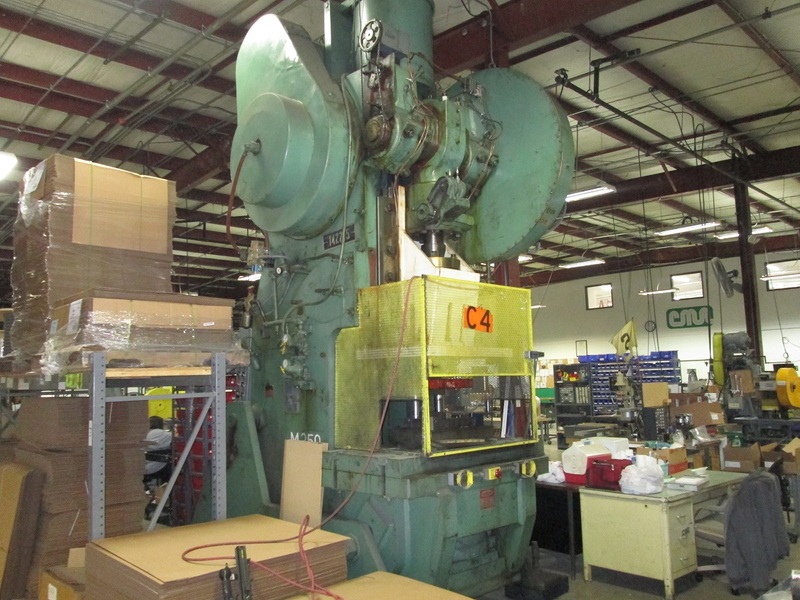
250 Ton, Niagara #M250, OBI press, 8" stroke, 22-1/2" Shut Height, 6" powered adjustment, 58" x 35" bed, 35 SPM
Single Cranked Back Gear OBI Press Machines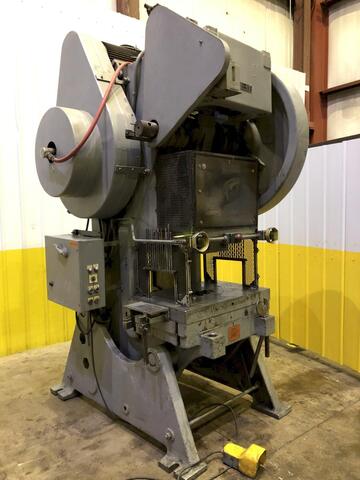
80 Ton, South Bend #OBI-90, Back Gauge OBI punch press, 4" stroke, 15.5" Shut Height, 3.5" adj., 35" x24" bed, 44 SPM, air clutch & brake, #16281
Single Cranked Back Gear OBI Press Machines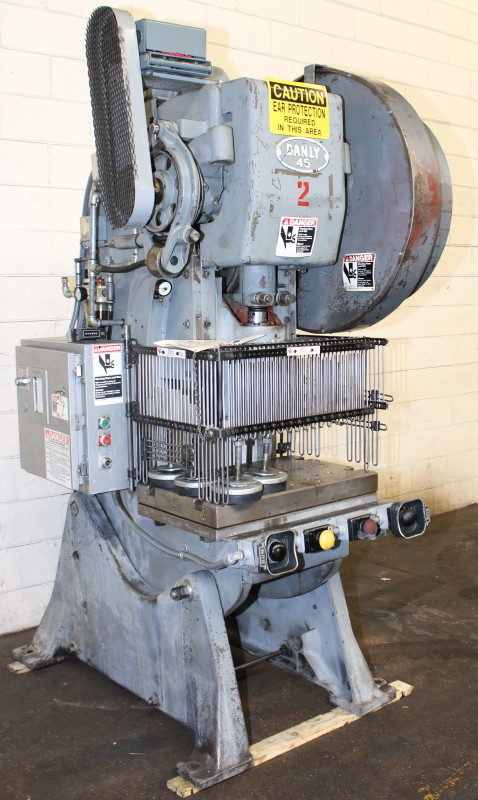
45 Ton, Danly #45, OBI press, 6" stroke, 10" die space, 2.5" adj., 28" x18" bed, 50 SPM, air clutch & brake, 1959, #154596
Single Cranked Back Gear OBI Press MachinesFind Your Next Mechanical Stamping Press
Have your die dimensions, material requirements, target output, and installation plan ready. Then compare current equipment and talk with sellers about condition, included accessories, and an inspection under power.




