CNC Machining Centers Buying Guide
Start with the parts you need to make. Compare vertical, horizontal and five-axis machines, then narrow your search by travel, spindle, tooling and condition.
Choosing a CNC Machining Center
The best machining center for your shop starts with a part, a fixture and a realistic production plan. A compact vertical might be all you need for brackets and short runs. A horizontal with pallet changing may make more sense when the same casting comes back every month. Buying more axes or spindle speed only helps if your work can use them.
Browse new and used CNC machining centers on Surplus Record with those jobs in mind. You’ll find machines ranging from familiar three-axis shop workhorses to five-axis equipment and large gantry mills. This guide walks through the differences, the specifications worth comparing and the questions to ask before arranging an inspection.
What does a machining center do?
A CNC machining center uses a rotating cutting tool to mill, drill, bore and tap parts under programmed control. An automatic tool changer lets it move between operations without an operator swapping every tool by hand. The workpiece is held on a table, pallet or rotary fixture. When shopping large gantry equipment, check the actual configuration: some machines listed alongside machining centers do not have an automatic tool changer.
Common Types of CNC Machining Centers
Start by choosing the layout that suits your parts and the number of setups they need. Five-axis describes the machine’s movement, so it can overlap with vertical or horizontal designs.
Vertical Machining Centers (VMCs)
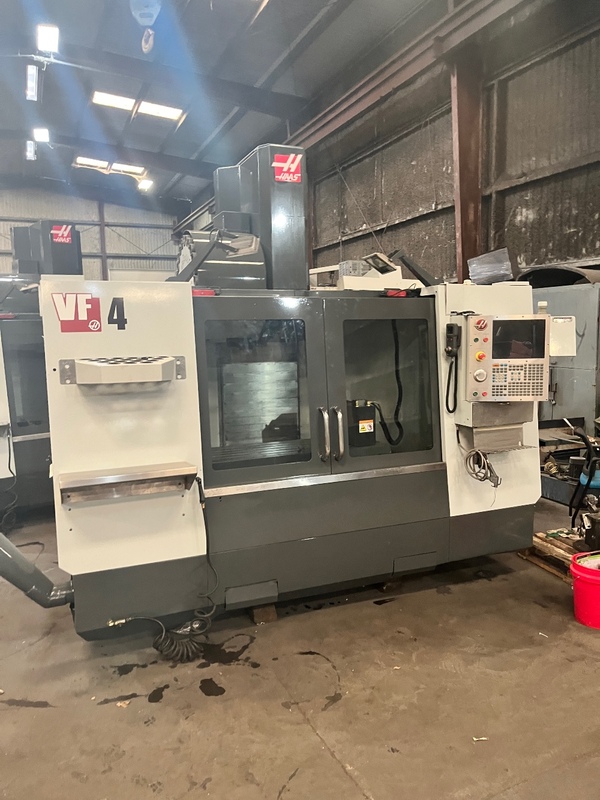
A vertical spindle approaches the work from above. That makes a VMC a practical starting point for job shops machining plates, brackets, molds and general parts. Loading and watching a setup are usually straightforward. Think through the underside and side features, though: a three-axis machine may need several setups to finish them. A fitted rotary table can add access, provided its size and the machine’s clearance suit the job.
Horizontal Machining Centers (HMCs)
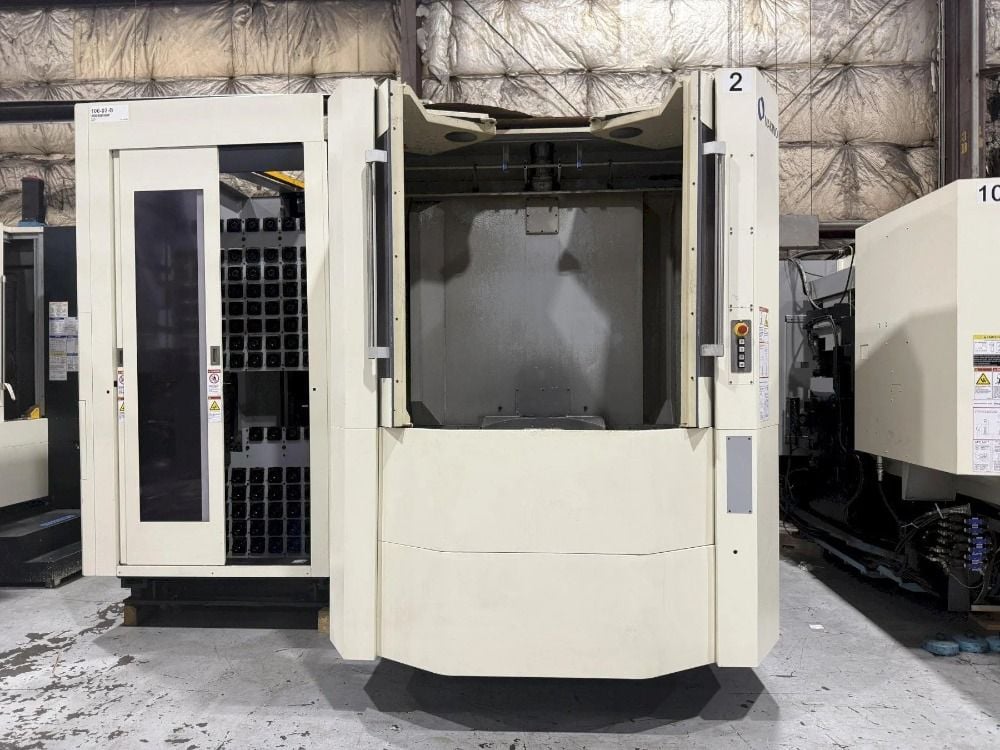
A horizontal spindle works into the side of the part. With the right tombstone or rotary setup, an HMC can reach several faces without repeatedly unclamping the work. Pallet changers can let an operator prepare the next job while another pallet is being machined. This is attractive for repeat production, but include the cost of fixtures, pallets and programming when comparing it with a simpler VMC.
Five-Axis Machining Centers
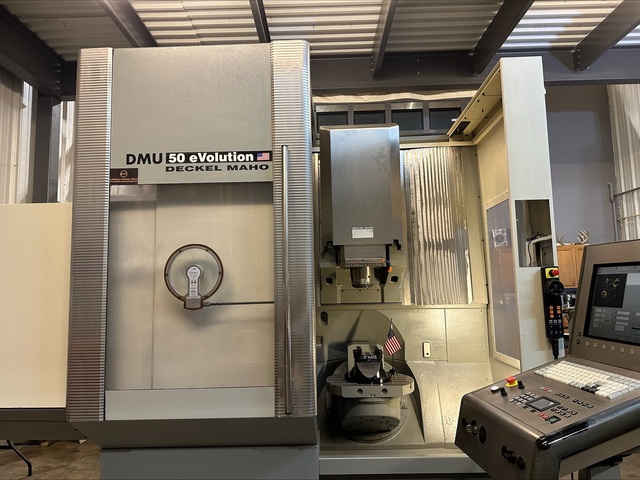
Five-axis equipment adds two rotary movements to the three linear axes. It can reduce setups for complex parts, but “five-axis” needs a follow-up question. In 3+2 work, the rotary axes position the part before cutting; simultaneous five-axis machining moves them during the cut. Confirm which functions are installed and working, and whether your CAM software and postprocessor support that exact machine and control.
Gantry-Type Machining Centers
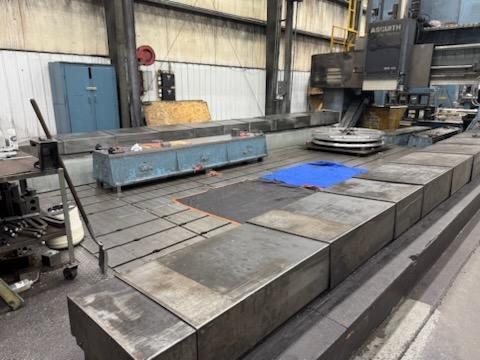
Large plates, molds, frames and long components can outgrow a conventional enclosed machine. A gantry design provides a large work area, but table length alone does not settle the fit. Check travel, distance between columns, head clearance and the room needed to load the part. Also confirm whether the listing includes angle heads, an automatic tool changer or other accessories your process requires.
Match the Machine to Your Work
Bring a few representative part drawings to the comparison. If most work is flat aluminum plate with holes and pockets, a capable VMC may earn its keep without complicated automation. For castings with features on several sides, compare the extra setups on a vertical with a horizontal fixture or five-axis approach. Fewer setups can help keep related features consistent, but the fixture and program still have to do their jobs.
Material matters, too. Small cutters in aluminum and heavy cuts in steel ask different things of a spindle. Molds may put more emphasis on surface finish and smooth motion; repeat production may reward dependable tool changes and pallet handling. Ask a seller to demonstrate a part or cutting cycle close to your work rather than judging the machine only by a rapid-motion video.
Key Specifications to Compare
X, Y and Z travel, spindle RPM, tool taper, tool capacity and table or pallet size are the first numbers to compare when buying a CNC machining center. Axis configuration and control are just as important: a machine can have the right size and still need expensive options to run your job. Start with the space your part and fixture need, then work through the spindle and tooling requirements.
Check out more details on each of the CNC Machining Centers key specs below!
X, Y and Z Travel: Can the Tool Reach the Whole Part?
Travel describes how far the machine moves along each linear axis. Table dimensions describe the support surface; the two are not interchangeable. For example, a Haas VF-4 examined for this guide has 50-inch X, 20-inch Y and 25-inch Z travel with a 52-by-18-inch table. A part fitting on that table does not automatically mean every feature is within reach.
Allow for the vise, fixture, tool length and clearance needed to load and machine the part. On a five-axis machine, check the swept envelope as the part rotates and tilts. A tall fixture can consume useful room quickly, even when the published travels look generous.
Table Size, Pallet Size and Load Capacity
Compare the usable table or pallet surface with your actual fixture layout. Payload includes the workholding as well as the part. A heavy tombstone or rotary table can take a meaningful share of the available capacity. On large gantry machines, check the width between columns and head-to-table clearance along with table length. Ask for the machine’s documentation if a listing leaves any of these dimensions unclear.
Spindle RPM, Horsepower and Torque
Maximum RPM helps you judge whether a spindle suits your cutters and material. It does not tell you how hard the machine can cut at every speed. High-speed aluminum work and large-tool steel roughing may favor very different spindle characteristics. Ask about the torque curve and continuous power rating, especially when a headline horsepower figure represents a short-duty peak. Also confirm the spindle’s condition; a high specification is little comfort if a rebuild is due.
Tool Taper and Automatic Tool Changer Capacity
CAT 40, CAT 50, BT and HSK are not interchangeable labels. Verify the exact spindle interface and compatible holders, including retention hardware where applicable. Existing tooling can be a substantial part of the purchase decision, but only if it fits the machine correctly.
Then count the tools your longest job actually needs. A magazine marked 24+1 is a different proposition from a large production machine with over 100 positions. Oversize tools may require empty neighboring pockets, reducing usable capacity. Ask what tooling is included, and watch the changer handle several tools during inspection.
Axes, Control and Installed Options
“Fourth-axis ready” may mean wiring or a drive is present, rather than a rotary table being included. Likewise, an indexing table is not automatically a simultaneous contouring axis. Get an itemized list of the installed rotary equipment, control options and accessories. Check programming compatibility, file transfer, memory and local service support. For five-axis work, verify the required control functions and CAM postprocessor before committing to the machine.
What to Check on a Used CNC Machining Center
Ask to see the machine under power and warmed up. Listen to the spindle across the speeds you expect to use, then have a qualified technician evaluate motion, backlash and positioning where appropriate. A measured test part can reveal more about suitability for your tolerances than fresh paint or a clean enclosure. Agree on the test and acceptance criteria before the visit.
Cycle the tool changer, coolant system, chip conveyor and any pallet or rotary equipment. Look for leaks, damaged way covers, recurring alarms and evidence of neglected maintenance. Request service records and ask specifically about spindle, ballscrew and control repairs. If a machine is described as rebuilt, get the scope and documentation; replaced mechanical components are different from cosmetic refurbishment.
Treat hours as context, not a verdict. Power-on hours and cutting hours measure different things, and neither tells the whole story of loading or maintenance. Confirm the serial number, build year and any retrofit dates. Finally, list everything included in writing: probes, holders, vises, manuals, backups, chip handling and automation can change the value considerably.
Plan for Installation and Ownership Costs
Price the machine as an installed, usable asset. Add rigging, freight, foundation requirements, electrical work, compressed air, coolant, tooling and any programming or training costs. Check shipping dimensions and weights against your doors, unloading space and floor capacity before arranging the move. A large gantry machine deserves a detailed removal and installation plan.
Have the supplier and your installer confirm the required voltage, phase and connected load for the specific machine. Ask who will level it, commission it and check its geometry after the move. For older controls, investigate service availability and replacement parts while you still have buying options. A cheaper machine can become the expensive choice if it sits waiting for a critical component.
CNC Machining Center Buyer’s Checklist
- Confirm the part, fixture and tools fit within the usable travel and clearance.
- Match spindle speed, torque, taper and tool capacity to your real jobs.
- Verify the supplied axes, control options, rotary equipment and pallet system.
- Inspect under power and agree on a meaningful test part or accuracy check.
- Get service history and a written list of included equipment.
- Budget the complete move, installation, tooling and commissioning.
Frequently Asked Questions
A vertical is often a practical choice for varied jobs and straightforward setups. A horizontal becomes attractive when repeat parts need several faces machined and pallet handling can reduce idle time. Compare the complete process, including fixtures, setup labor and batch size, rather than assuming one layout is always more productive.
You may benefit when parts have angled features, complex surfaces or too many separate setups. Some jobs only need indexed 3+2 positioning; others require simultaneous five-axis cutting. Have your programmer review representative parts and the machine’s installed functions before paying for capability you may not use.
No. Condition, maintenance, control support and suitability for the work all matter. A well-maintained older machine may be a better fit than newer equipment with the wrong travel, spindle or configuration. Compare documented condition and a relevant test, then account for future service and parts availability.
Send the seller your required travels, material, largest part and fixture size, spindle needs and desired axis configuration. Ask whether the machine can be inspected under power, what tooling is included and who handles loading. Those answers make quotes much easier to compare.
Most Popular CNC Machining Center Listings
Popular equipment based on listing views over the past month.
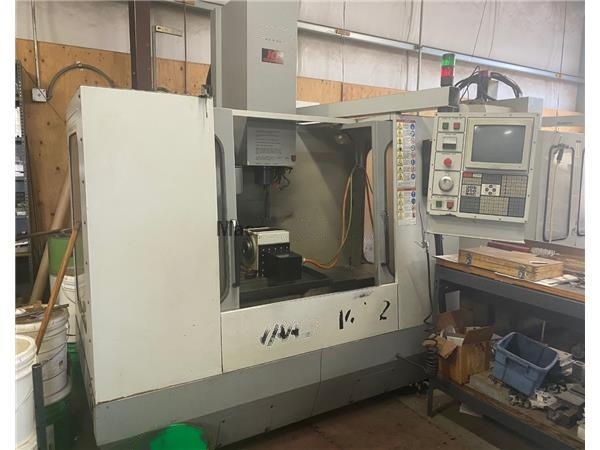
Haas #VF-2, vertical machining center, 20 automatic tool changer, 30" X, 16" Y, 20" Z, 7500 RPM, 15 HP, 1994
Vertical CNC Machining Centers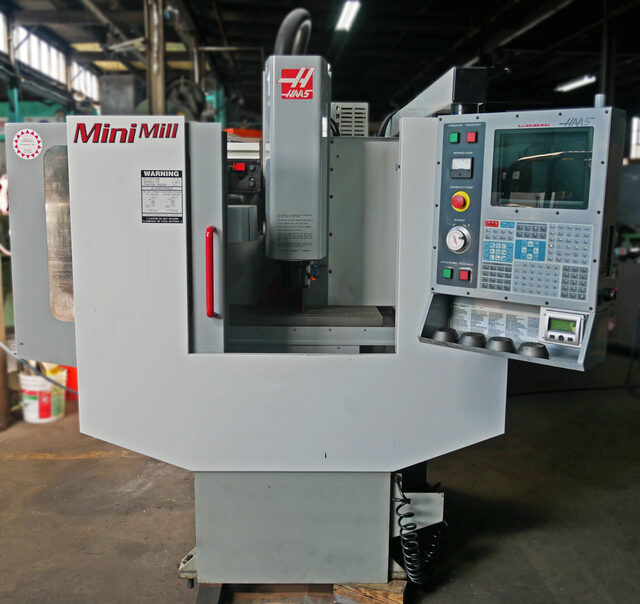
Haas #Mini-Mill, CNC Vertical Machining Center, 3-Axis, 16" X, 12" Y, 10" Z, 36" x 12" Table, 7.5 HP, 7500 RPM, 208/240 V, CT40 Taper, 10 automatic tool changer, 2001
Vertical CNC Machining Centers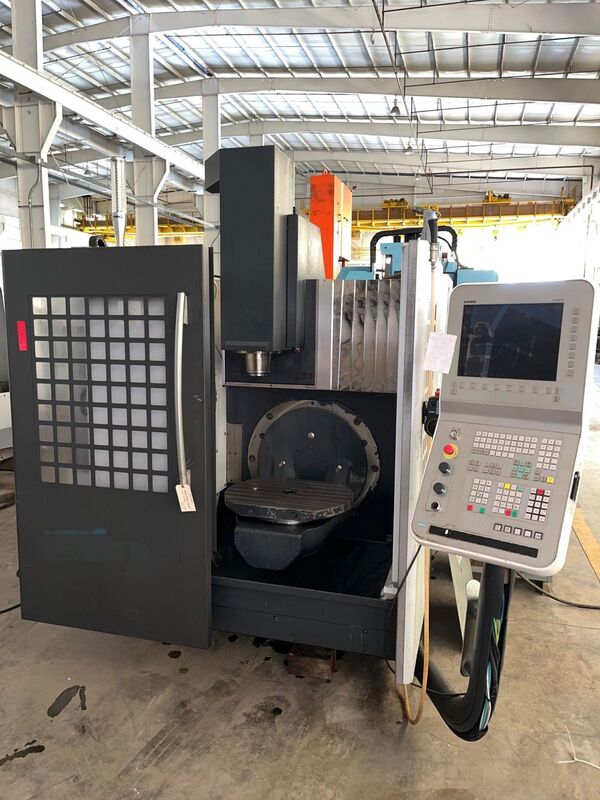
DMG, Mori-Seiki Gildmeister #DMU-50eco Ecoline, 5-Axis CNC vertical machining center, 19.7" X, 17.7" Y, 15.7" Z, 8000 RPM, 16 side mount tool changer
Vertical CNC Machining Centers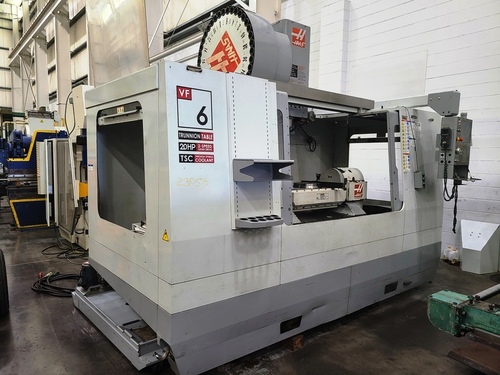
Haas #VF-6, CNC vertical machining center, 64" X, 32" Y, 30" Z, 7500 RPM, 40 side mount tool changer, Cat 40, thru spindle coolant, 2 speed gear drive, 2008
Vertical CNC Machining Centers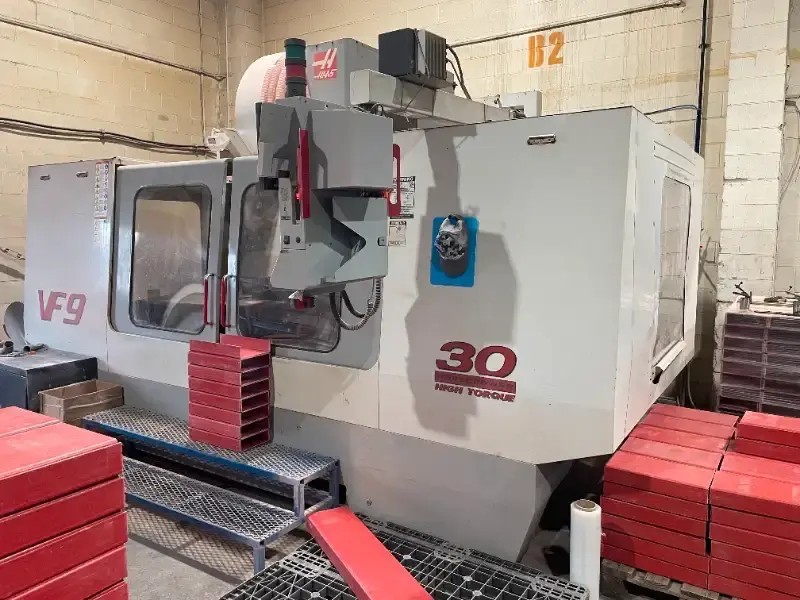
Haas #VF-9, CNC vertical machining center, 4-Axis drive, 2001
Vertical CNC Machining Centers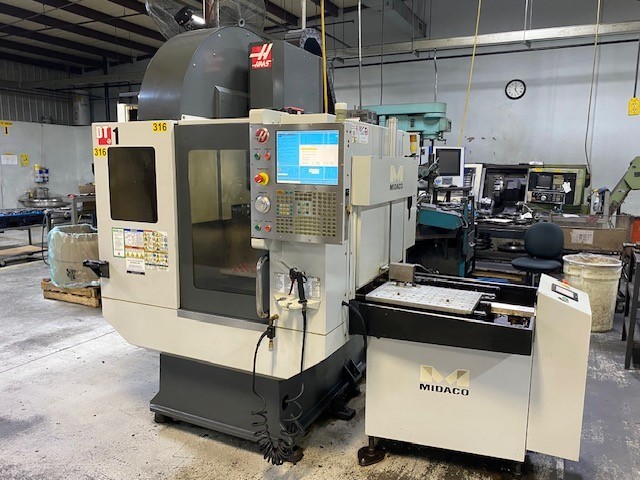
Haas #DT-1, vertical machining center, w/ Midaco Automatic Pallet Changer System, 2011
Vertical CNC Machining Centers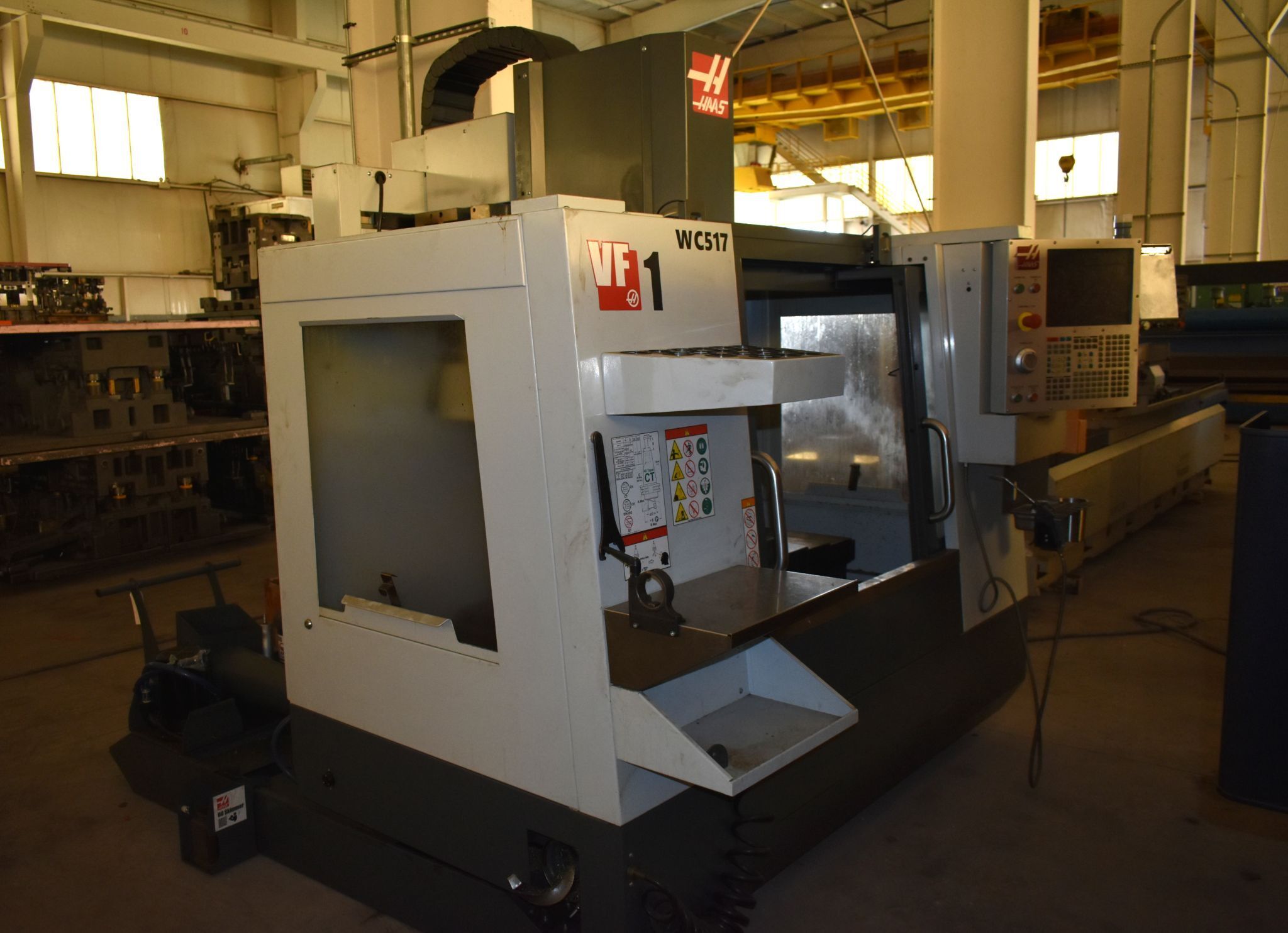
Haas #VF-1, CNC vertical machining center, 20" X, 16" Y, 20" Z, 8100 RPM, 20 automatic tool changer, #40 taper, 30 HP direct drive spindle, 2020
Vertical CNC Machining Centers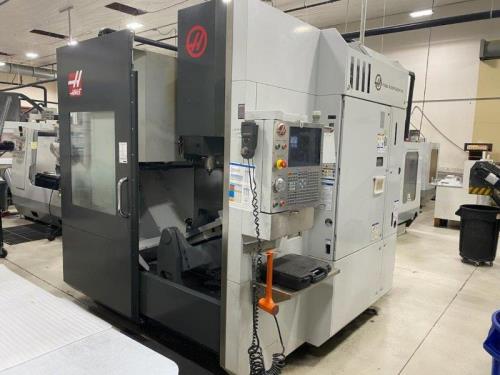
Haas #UMC-750, CNC universal machining center, 40+1 side mount tool changer, 30" X, 20" Y, 20" Z, 12000 RPM, Cat 40,30 HP in line direct drive, thru spindle coolant, 2015
Vertical CNC Machining Centers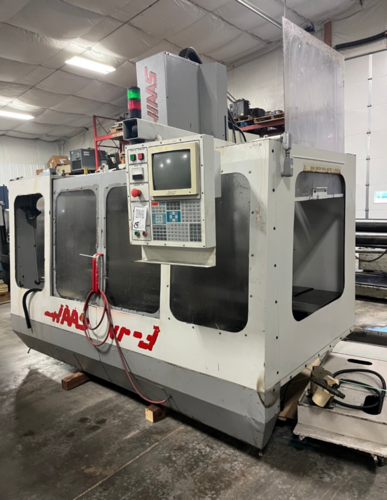
Haas #VF-3, CNC vertical machining center, 20 automatic tool changer, 40" X, 20" Y, 25" Z, 7500 RPM, #40, 15 HP, 48" x18" tbl., 3-Axis, 1995
Vertical CNC Machining Centers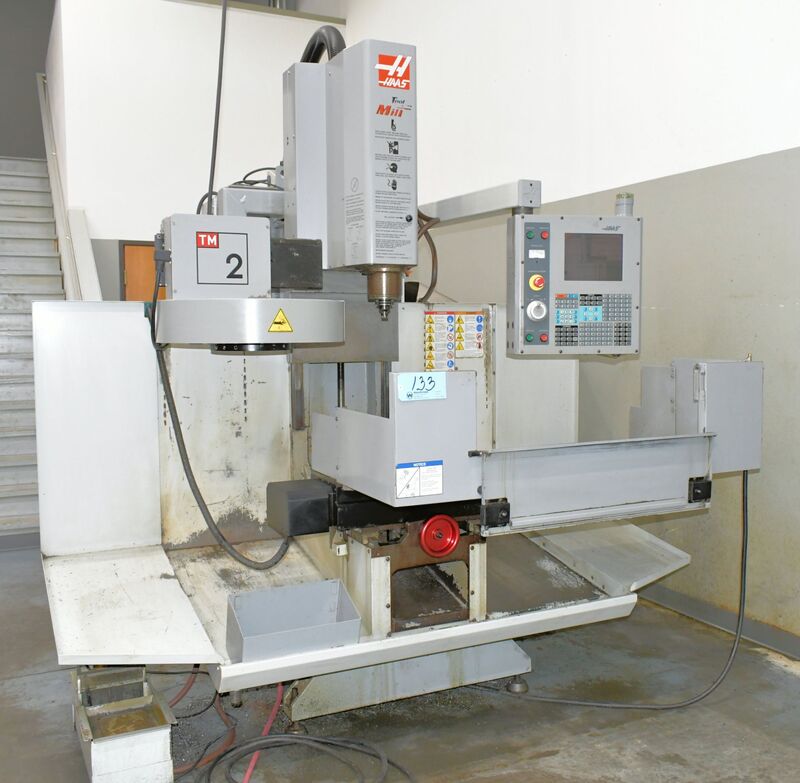
Haas #TM-2, CNC toolroom vertical machining center, 20 position automatic tool changer, 40" X, 16" Y, 16" Z, 4000 RPM, 2007
Vertical CNC Machining Centers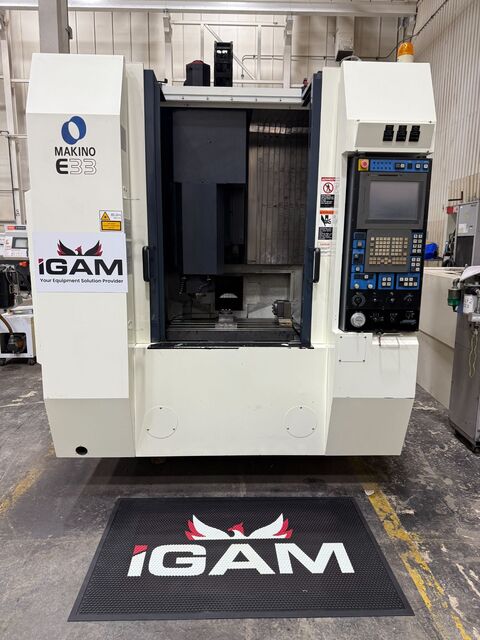
Makino #E33, graphite vertical machining center, Pro 5 Control, 25.6" X, 17.7" Y, 17.7" Z, 40000 RPM, 30 automatic tool changer, Blum laser, 2005
Vertical CNC Machining Centers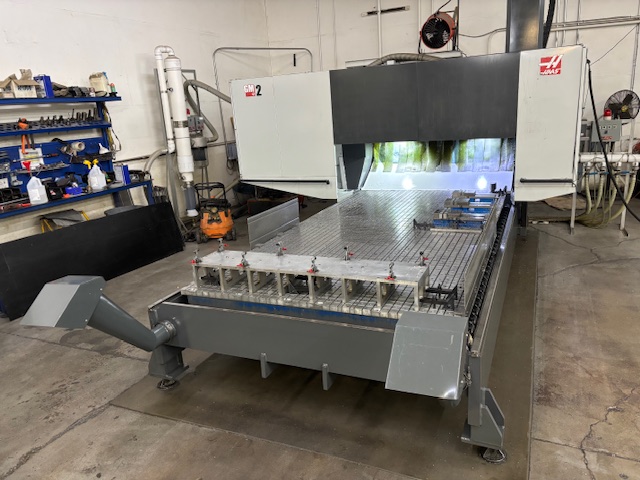
Haas #GM-2, CNC Vertical Gantry Mill, 145" x 72" x 22", 15K RPM, 30 automatic tool changer, 30 HP, Probing, thru spindle coolant, Vacuum Table, 2020
Gantry Type Machining Center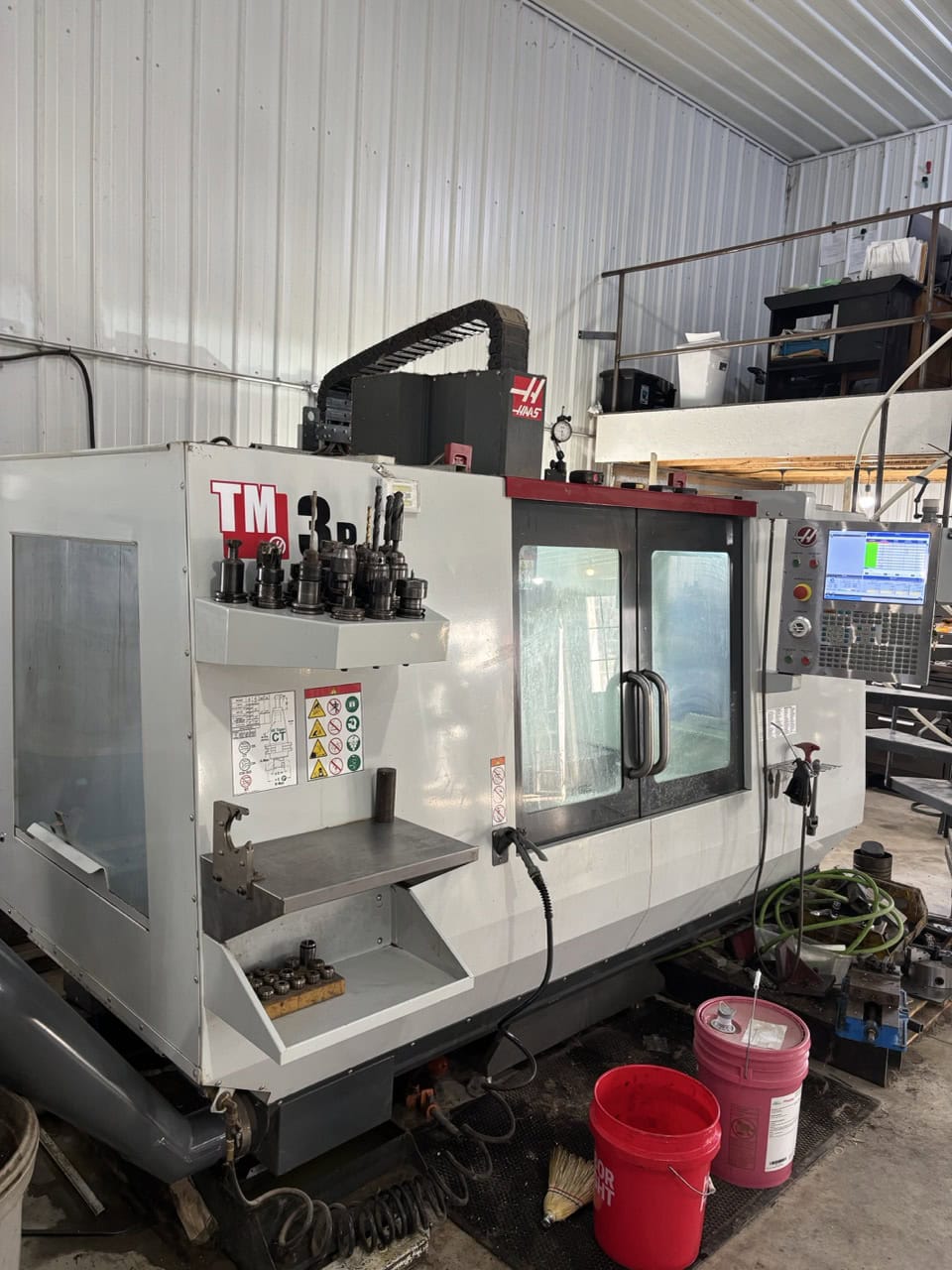
Haas #TM-3P, CNC Mill, 40" X, 20" Y, 16" Z, 6000 RPM, 7.5 HP, 10 tool, rigid tap, Chip Auger, Coolant, 435 cut hours, 2017
Vertical CNC Machining Centers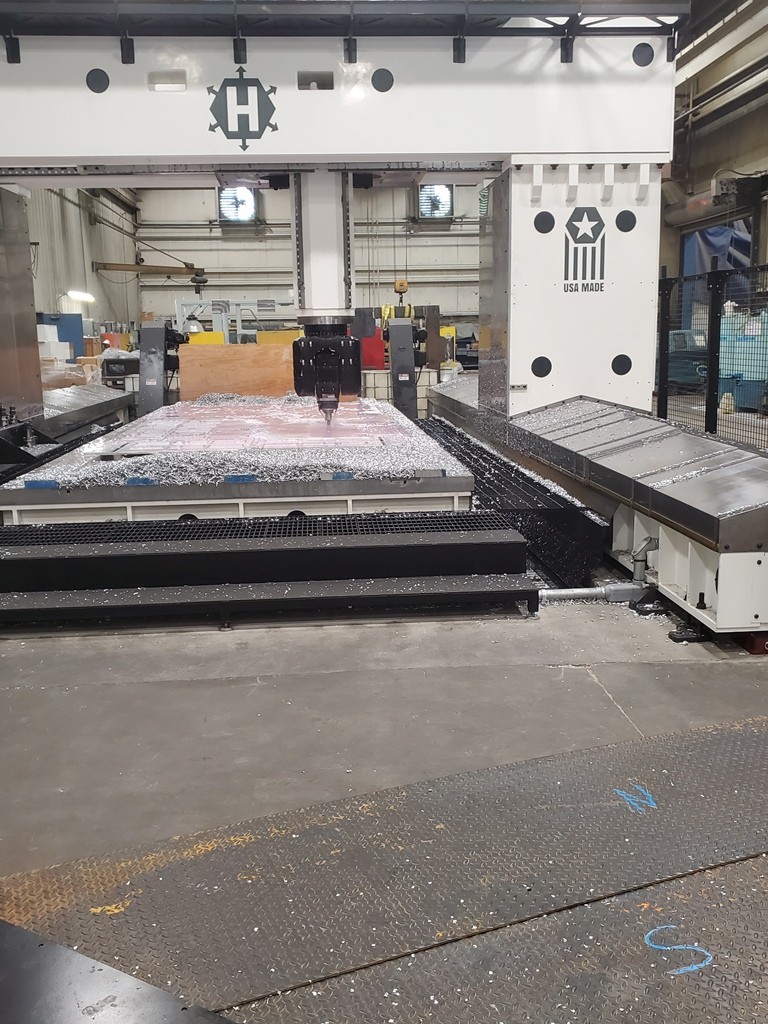
Hexram #MP1024FT4, 5-Axis gantry machining center, Fanuc 30i, 120" X Travel, 288" Y Travel, 132" Z, 15 automatic tool changer, 2023
Gantry Type Machining Center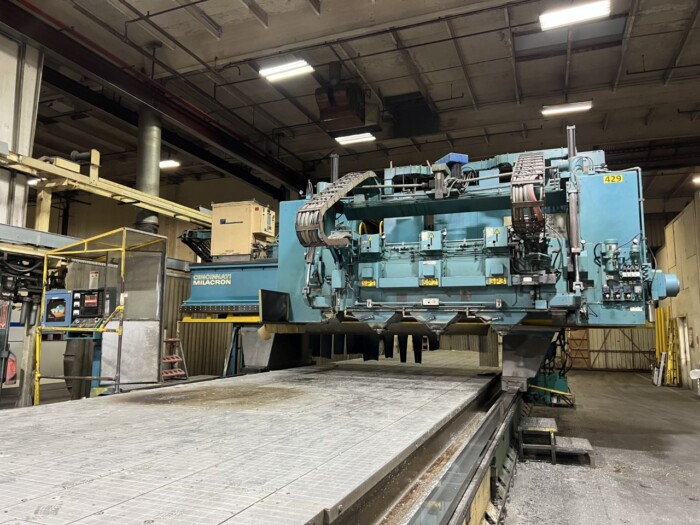
Cincinnati, 3 Spindle 5 Axis Gantry Profiler, 1330" X Travel, 104" Y Travel, 28" Z, 1999
Gantry Type Machining Center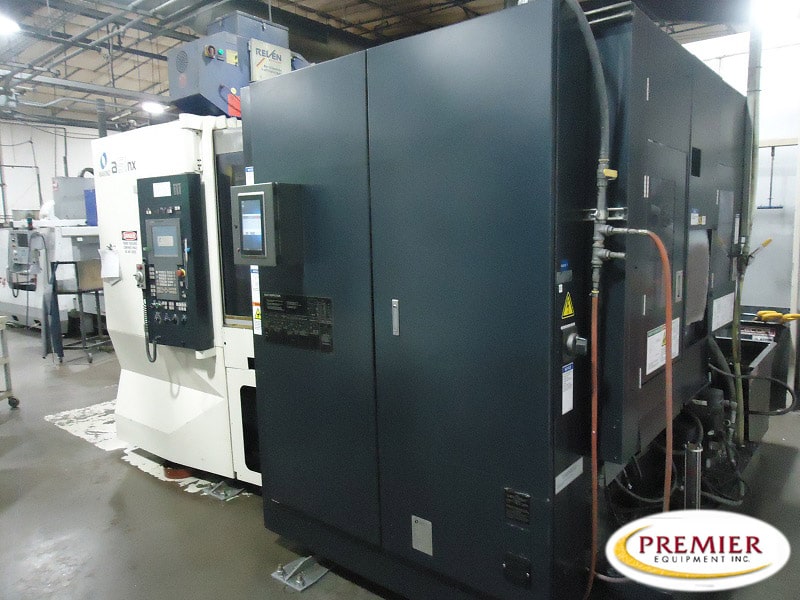
Makino #A51NX, 4-Axis dual pallet horizontal machining center, Fanuc Pro 5, 22" X, 25" Y, 25.2" Z, 14000 RPM, coolant thru spindle, 2012
Horizontal CNC Machining Centers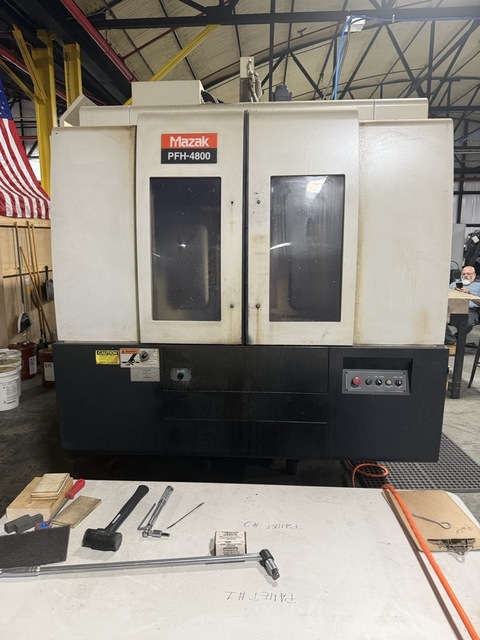
Mazak #PFH-4800, Horizontal Machining Center, 22" X, 24.8" Y, 23.6" Z, 15.75" x 15.75" pallet, 30/40 HP, 18000 RPM, CAT 40, 80 automatic tool changer, 2005
Horizontal CNC Machining Centers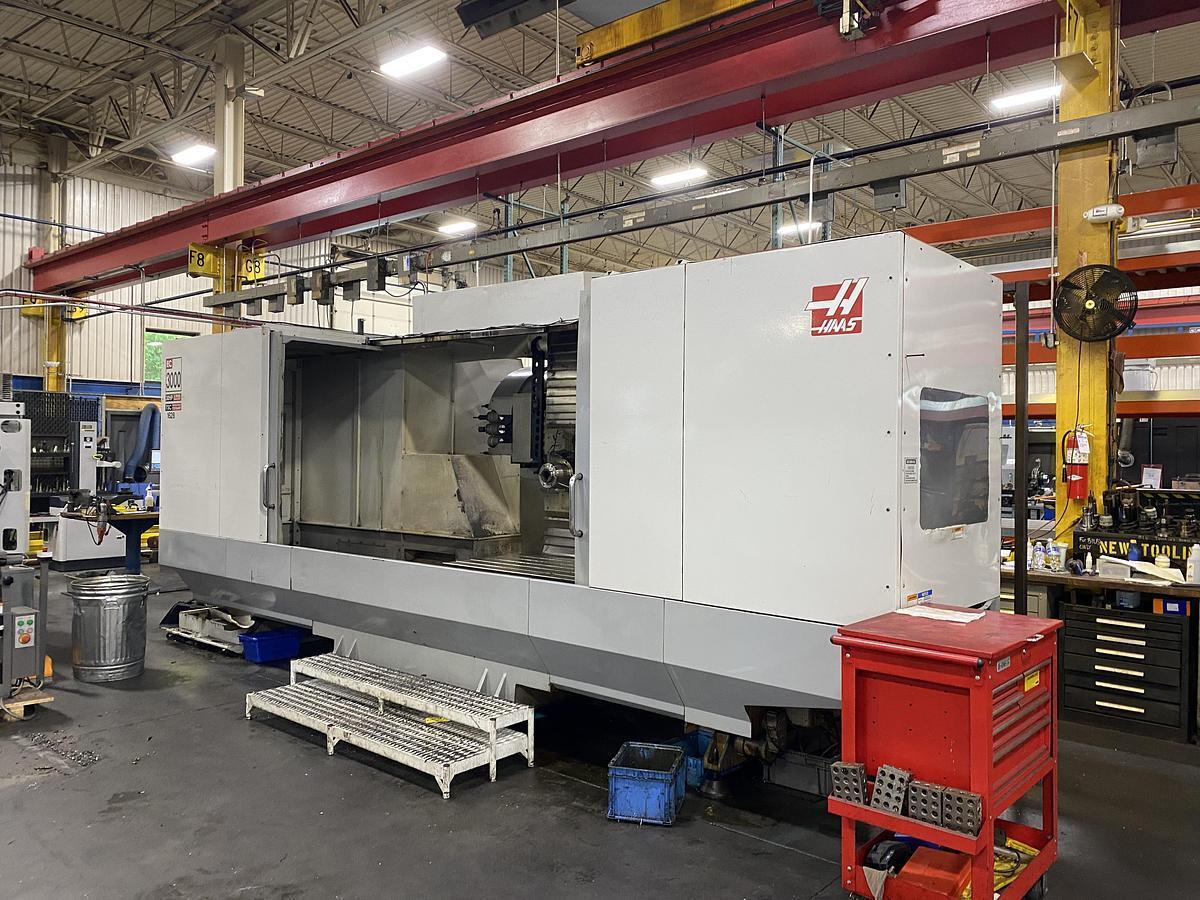
Haas #EC-3000, 3-Axis CNC horizontal machining center, 120" X, 40" Y, 32" Z, 6000 RPM, 30 side mount tool changer, 120" x 28" table, thru spindle coolant, 2005
Horizontal CNC Machining Centers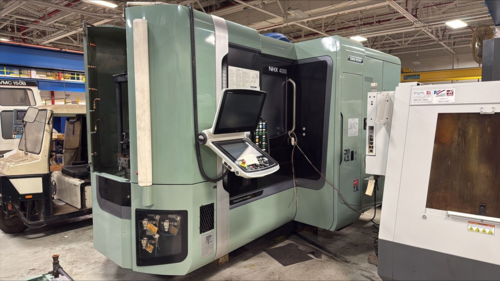
DMG, Mori #NHX-4000 Gen 2, 4-Axis, 22" X, 22" Y, 26" Z, 12000 RPM, 60 automatic tool changer, chip conveyor, 2017
Horizontal CNC Machining Centers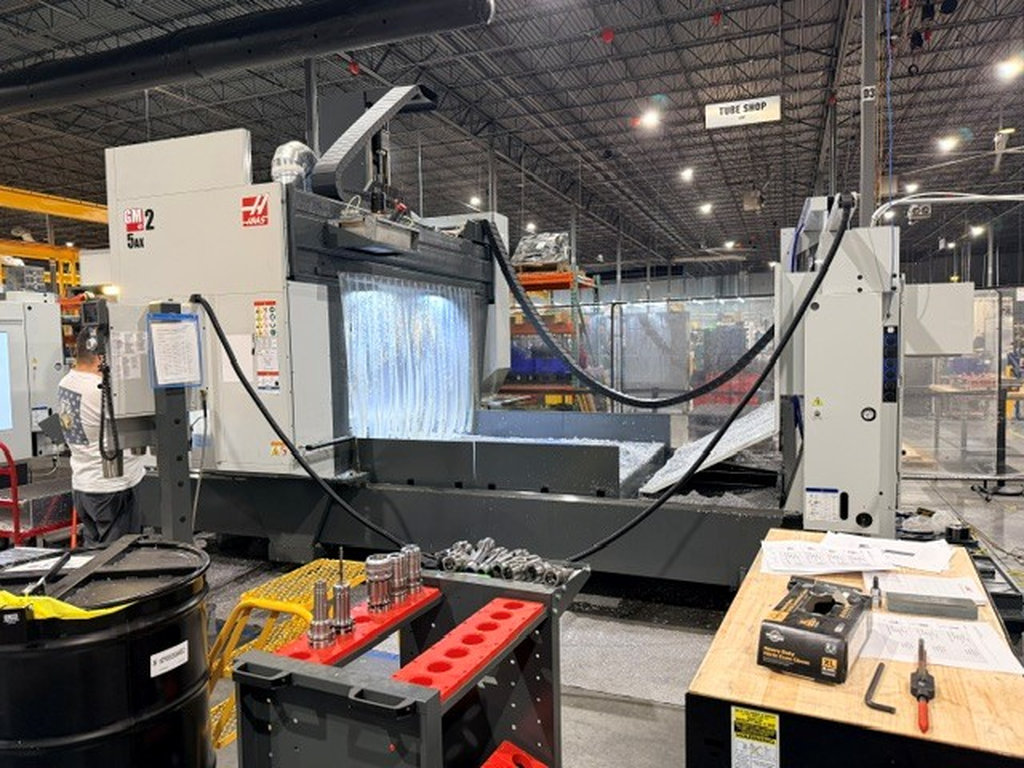
Haas #GM-2-5AX Travel, 5-Axis CNC gantry mill, Haas NGC Control, 145" X Travel, 87.5" Y Travel, 39.3" Z, 20000 RPM, 30+1 side mount tool changer, 2024
Gantry Type Machining Center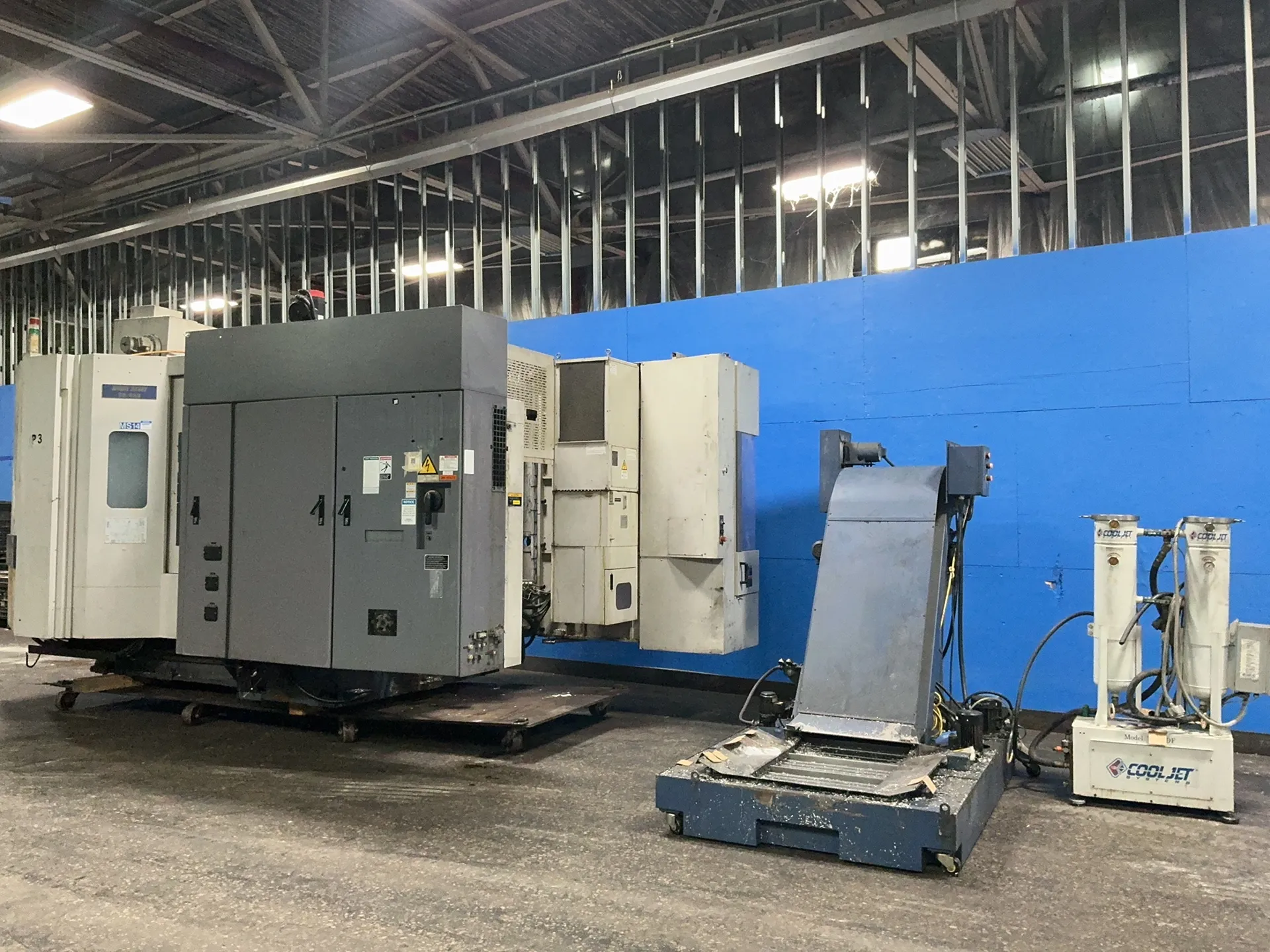
Mori Seiki #SH-633, CNC Horizontal Machining Center, 2001
Horizontal CNC Machining Centers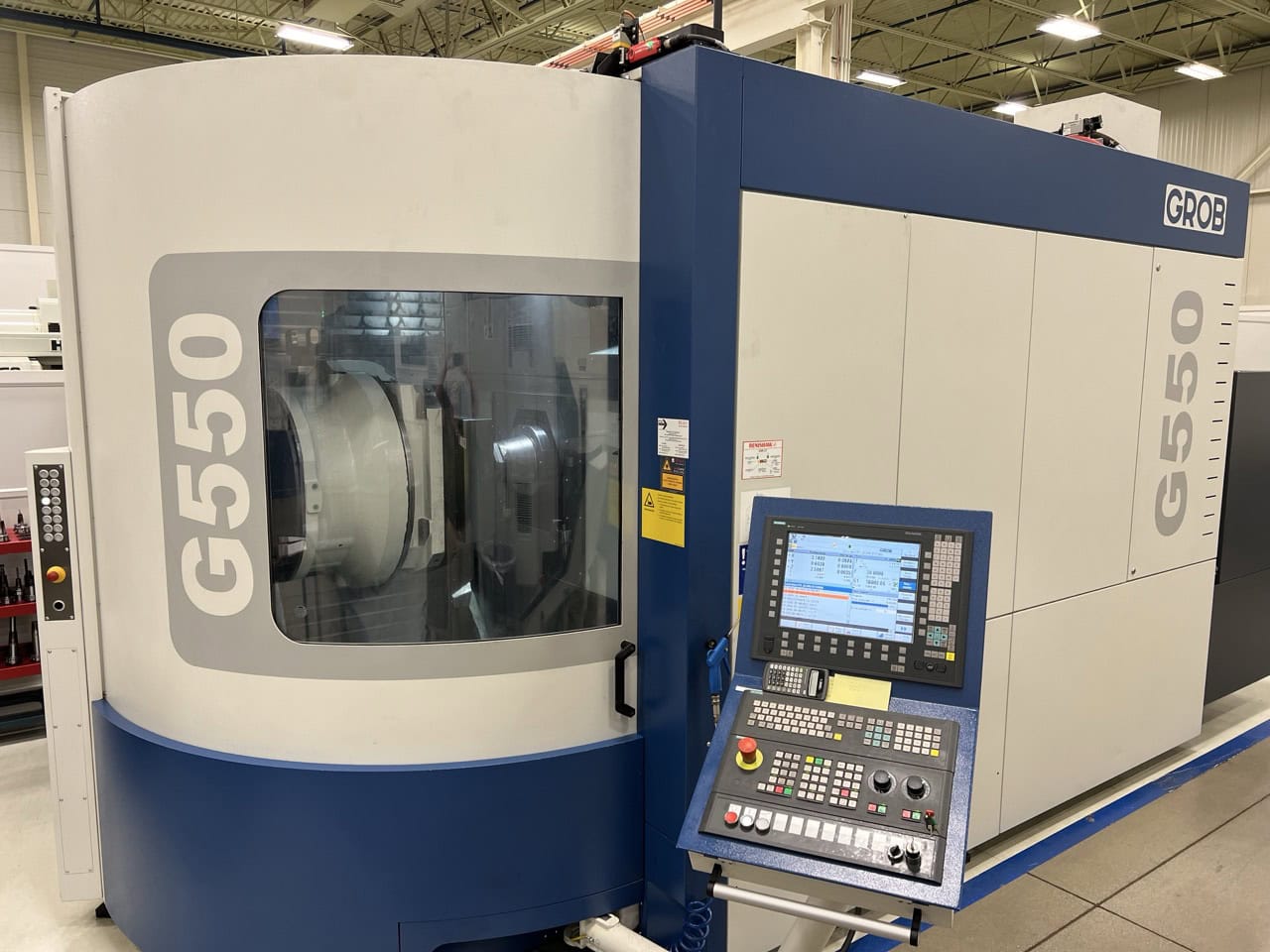
Grob #G550, 5-Axis horizontal machining center, 50 automatic tool changer, 31.5" X, 40.2" Y, 38.2" Z, 15000 RPM, Renishaw probe, mist collector, 2016
Horizontal CNC Machining Centers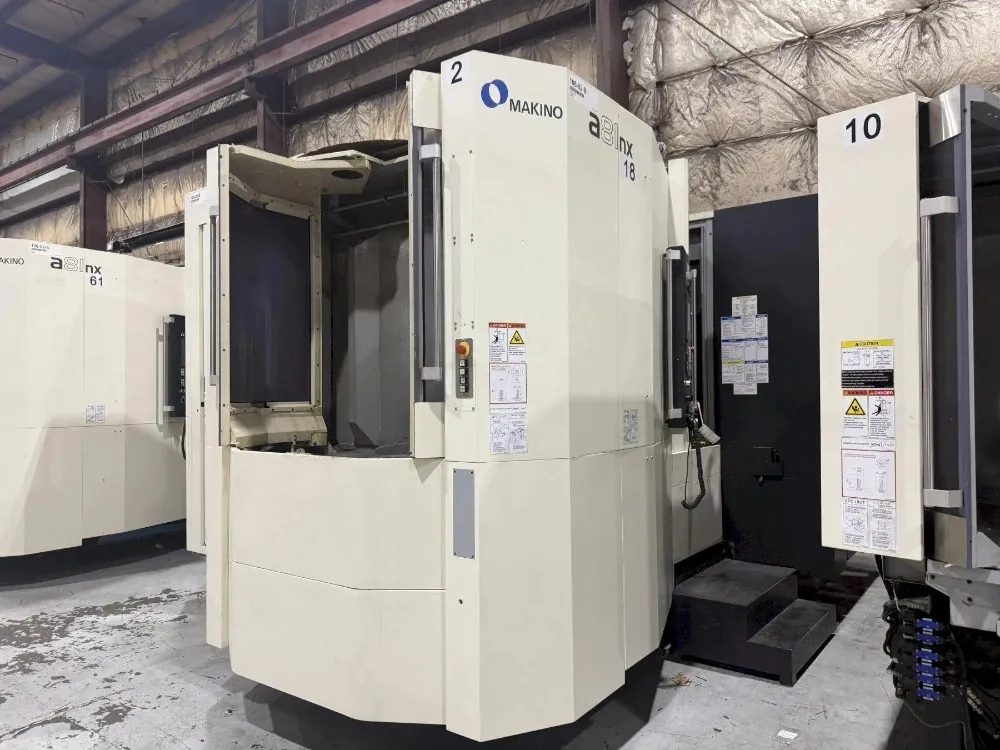
Makino #A81NX, CNC horizontal machining center, 35.4" X, 35.4" Y, 40.2" Z, 10000 RPM, 136 automatic tool changer, thru spindle coolant, 35 HP, Chip Conv., Professional 5 cnc, 7054 cut hours, 2014
Horizontal CNC Machining Centers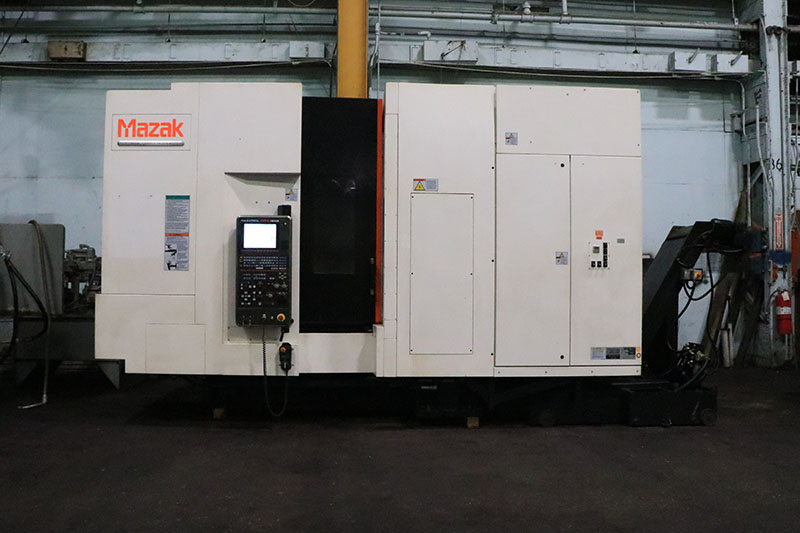
Mazak #Nexus-4000II, horizontal machining center, 60 automatic tool changer, 22" X, 24.8" Y, 25.2" Z, 18000 RPM, #40, 4-Axis, Mazatrol Matrix Nexus, 15.7" x15.7" pallet, chip conveyor, 1000 psi thru spindle coolant, 2011
Horizontal CNC Machining CentersFind a CNC Machining Center That Fits Your Shop
Compare vertical, horizontal and gantry machining centers on Surplus Record. Shortlist the machines that fit your parts, then contact the sellers for current specifications, included equipment and inspection arrangements.