Used Wood Lathe Buying Guide: What to Know Before You Buy
You can provide copy here that is relevant to a promotion or special callout. Please limit the text in this block to under X words. You can provide copy here that is relevant to a promotion or special callout. Please limit the text in this block to under X words.
A wood lathe is one of the most fundamental tools in woodworking, used to shape, sand, cut, and turn pieces of wood into symmetrical forms like furniture legs, bowls, spindles, and decorative objects. Whether you’re outfitting a professional woodworking shop, a school program, or a hobbyist studio, buying a used wood lathe from the surplus market is one of the smartest ways to get quality machinery at a fraction of the new price.
This buying guide walks you through everything you need to know, from understanding lathe types and critical specs to inspecting a used machine and evaluating what makes a fair price.
Looking for a Used Wood Lathe? Browse Thousands of Listings.
Surplus Record connects buyers directly with dealers and sellers across the country. Find mini lathes, full-size floor models, and industrial production lathes — all in one place.
Types of Wood Lathes
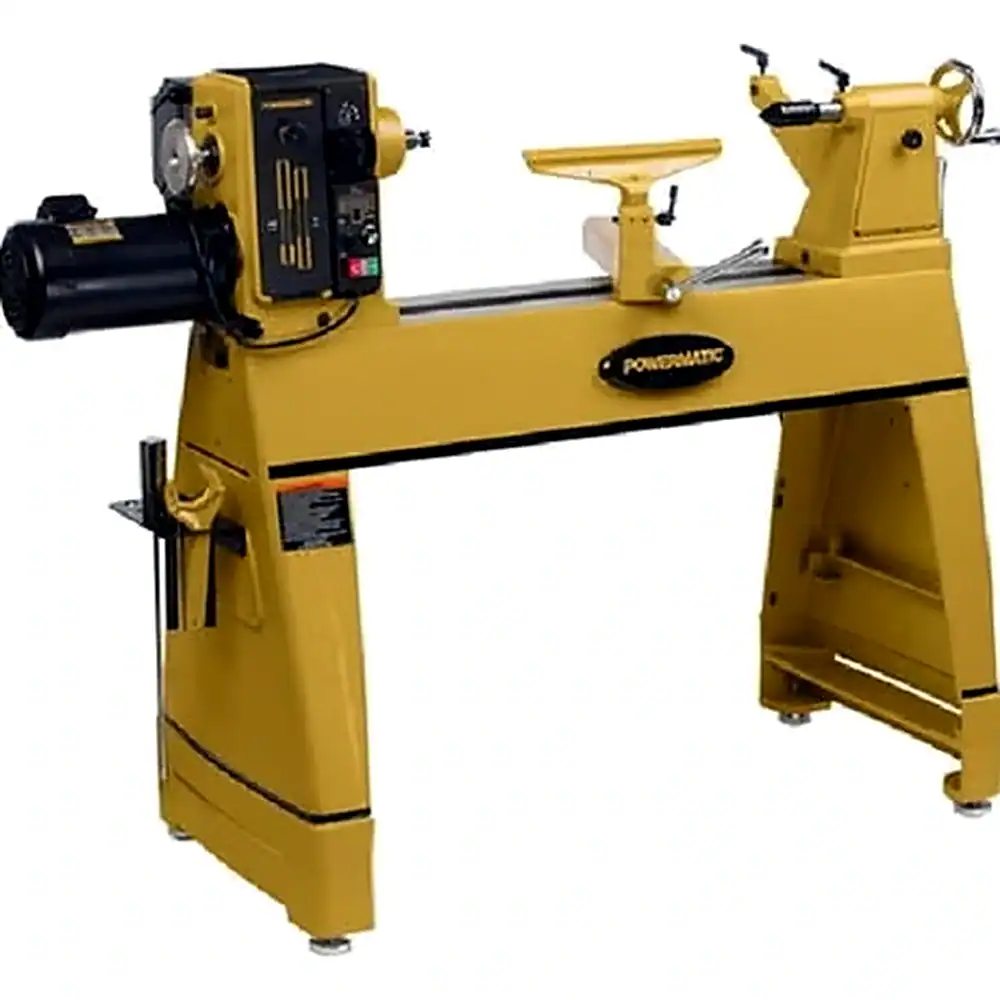
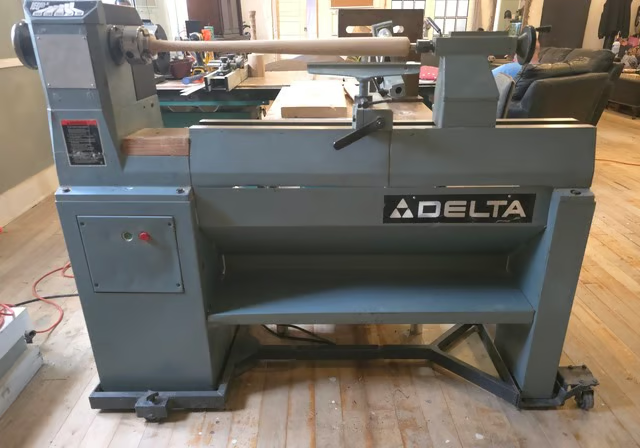
Wood lathes range from compact bench top mini lathes to heavy-duty industrial production machines. The right type depends on the size of your projects, your available floor space, and your production volume. Mini and midi lathes are ideal for hobbyists and small shops, while full-size floor lathes and industrial models are built for professional and high-output environments.
Common Applications and Industries
Used wood lathes serve a wide range of industries and trades. Furniture manufacturers rely on them for producing spindles, legs, and decorative components. Woodworking schools and vocational programs use them for instruction. Fine craftsmen and hobbyists use them for bowl turning, pen making, and custom art pieces. Millwork shops and cabinet makers depend on larger production lathes for high-volume output.
Key Specifications to Understand
Before comparing listings, know the specs that matter most. Swing over bed determines the maximum diameter you can turn. Distance between centers (DBC) sets the maximum workpiece length. Spindle speed range (RPM) affects what cuts you can make. Motor horsepower determines cutting power for large or dense blanks. Always confirm spindle thread size to ensure chuck and accessory compatibility before you buy.
Top Wood Lathe Brands on the Surplus Market
Several manufacturers stand out for durability, parts availability, and resale value. Powermatic and Jet are industry favorites known for longevity and strong accessory ecosystems. Delta’s vintage floor models remain highly sought after. Laguna Tools offers modern variable-speed machines. Grizzly and General International are common on the used market and offer excellent value for budget-conscious buyers.
What to Inspect on a Used Wood Lathe
When evaluating a used wood lathe, focus on these key areas: spin the spindle by hand to check for bearing roughness or wobble; inspect the bed ways for gouges, warping, or deep scoring; run the machine through its full speed range and listen for unusual motor or belt noise; verify the tailstock aligns with the headstock; and confirm all controls and safety switches function properly.
How Much Does a Used Wood Lathe Cost?
Buying surplus can save you 30–65% compared to new pricing. Mini and benchtop lathes typically sell used for $80–$300 (vs. $200–$600 new). Midi lathes run $250–$700 used. Full-size floor models range from $500–$2,500 depending on brand and condition. Industrial production lathes can be found for $2,500–$12,000, a significant discount from $8,000–$30,000+ new prices.
Buyers Checklist
- ☐ Spindle rotates smoothly by hand with no grinding or roughness
- ☐ No lateral play or wobble in the spindle
- Spindle runout is minimal (under 0.005″ with a dial indicator)
- Spindle thread size confirmed and matches your chucks/accessories
Frequently Asked Questions
Some supporting subcopy content can go in this space. Some supporting subcopy content can go in this space. Some supporting subcopy content can go in this space.
For general-purpose use, a midi lathe with a 12″–16″ swing and 24″–36″ between centers handles the widest variety of projects. For large bowls or furniture components, a full-size floor lathe with 18″–20″+ swing is recommended.
Yes — with proper inspection. Focus on spindle runout, bearing smoothness, bed condition, and motor function. A well-maintained used lathe from a reputable brand can outlast a cheaper new machine.
For most woodworking tasks, 1 HP is sufficient. If you regularly turn large, unbalanced blanks or run a production shop, look for 1.5–2 HP or more.
Ready to Find Your Next Wood Lathe?
Surplus Record features hundreds of used and surplus wood lathes from dealers and sellers nationwide. Search by type, brand, size, or price — and contact sellers directly.