
Gearboxes Buying Guide
Find the right gear reducer or speed increaser for your machine. Compare seven common gearbox types, key specifications, typical pricing, and used-equipment checks.
Industrial gear set for an American Maplan TS100 extruder. Photo from Perry Videx.
Buying a gearbox? Start with the speed and the load
A replacement gearbox needs to do more than bolt into the same space. It has to deliver the right shaft speed, carry the load, and work with your motor and mounting arrangement. Get those details right and used or surplus equipment can be a practical way to replace a failed drive or finish a new installation.
Surplus Record’s gearboxes, gear reducers, and speed increasers range from compact conveyor drives to large process-plant gear units. This guide covers seven common shopping categories, explains the specifications that matter, and helps you compare condition and total installed cost.
A gear reducer, sometimes called a speed reducer or gear decreaser, slows the output shaft and increases available torque, allowing for mechanical losses. A speed increaser does the opposite: it raises shaft speed while reducing available torque for the same transmitted power. Neither creates extra horsepower.
These categories overlap. “Without driving unit” tells you the motor is separate; “right angle” describes the shaft layout; “worm” and “planetary” describe the gearing. One gearbox can fit more than one description. Start with the job it must do, then narrow the design and mounting details.
1. Gear Reducers Without a Driving Unit
Already have a suitable motor? A standalone reducer lets you keep it and replace just the gearbox. This is also a useful starting point for a custom drive where the motor, couplings, and mounting base will be selected separately. You’ll find everything from small machine drives to substantial parallel-shaft gearboxes.
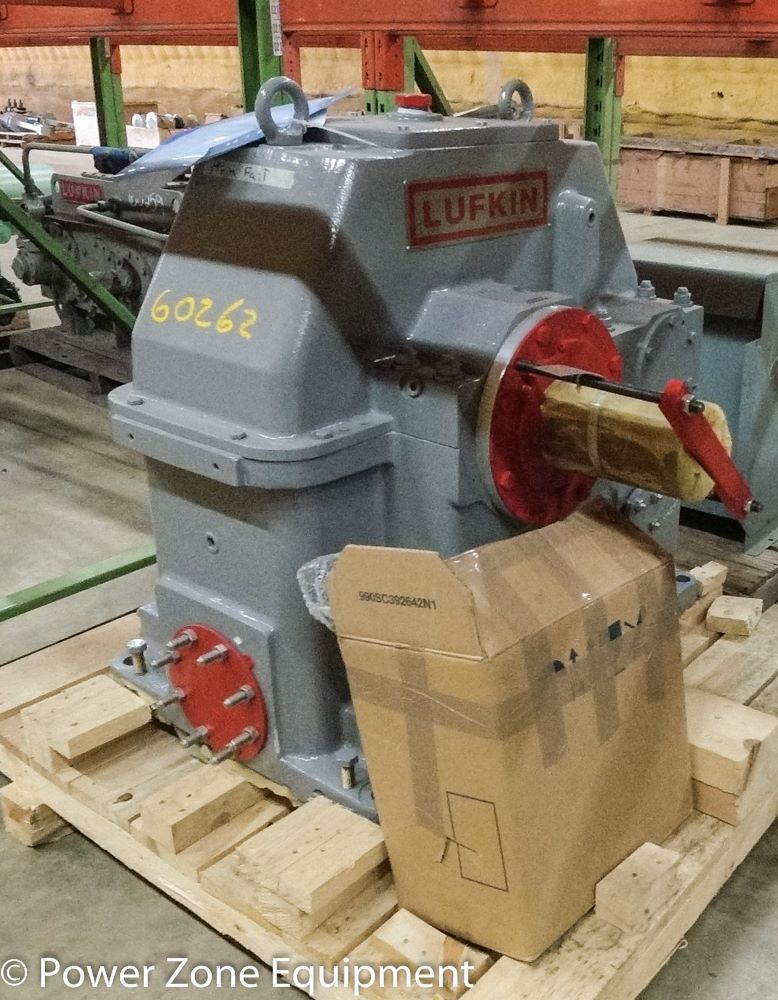
The big advantage is flexibility, but the interfaces become your responsibility. Match the input connection to your motor or belt drive, then check the output shaft, center height, bolt pattern, and direction of rotation against the machine. A reducer with the right ratio can still require expensive base or coupling changes.
Always check the input and output RPM, even when shopping within a reducer category. The pictured Lufkin N1404C is a standalone gearbox listed with 1,778 RPM input and 3,121 RPM output—a speed-increasing configuration. For a reduction application, choose a unit with the required lower output speed and adequate torque capacity.
Typical Pricing
For used and surplus standalone units, roughly $300–$3,000 is a useful starting budget for many smaller general-purpose reducers. Larger or more specialized industrial units often reach $4,000–$12,000 or more. These bands do not cover every heavy process drive. Higher torque capacity, an uncommon ratio, documented rebuilding, and a matching mounting arrangement can all raise the price; a bare or untested unit may cost less upfront but need more work.
2. Gear Reducers With a Driving Unit
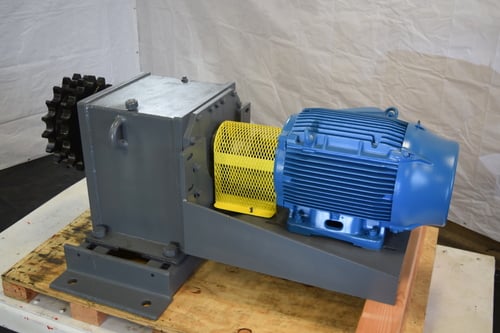
If you need both the motor and gearbox, a geared drive assembly can simplify the search. Some are compact gearmotors with a directly attached motor; others combine a larger reducer and motor on a base. They’re common choices for conveyors, mixers, and production machinery.
Look closely at what the seller includes. “With driving unit” does not automatically mean you’re getting a starter, variable-frequency drive, coupling guard, or a complete control panel. The illustrated Falk assembly includes a 75 HP motor and a stated 44 RPM output; a small packaging conveyor would need a very different package.
The motor and gearbox have separate ratings. A reducer capable of transmitting 50 HP may be fitted with a smaller motor, so don’t treat the gearbox rating as the actual installed motor size. Motor voltage, phase, frame, brake, and speed-control requirements matter just as much as the gear ratio.
Typical Pricing
Many smaller used or surplus gearmotor packages fall around $500–$3,500. Medium and larger industrial assemblies commonly move into $3,500–$15,000, while substantial motor-and-reducer packages can exceed $25,000–$40,000. The included motor, brake, base, and controls affect the comparison. Check whether a low price covers the complete pictured assembly or only one component.
3. Right-Angle Gear Increasers and Reducers
When the motor cannot sit in line with the driven shaft, a right-angle gearbox turns the drive through 90 degrees. It can help a conveyor, mixer, or other machine fit a tighter floor plan. The category includes different gear designs, so the right-angle label alone doesn’t tell you its efficiency or load capacity.
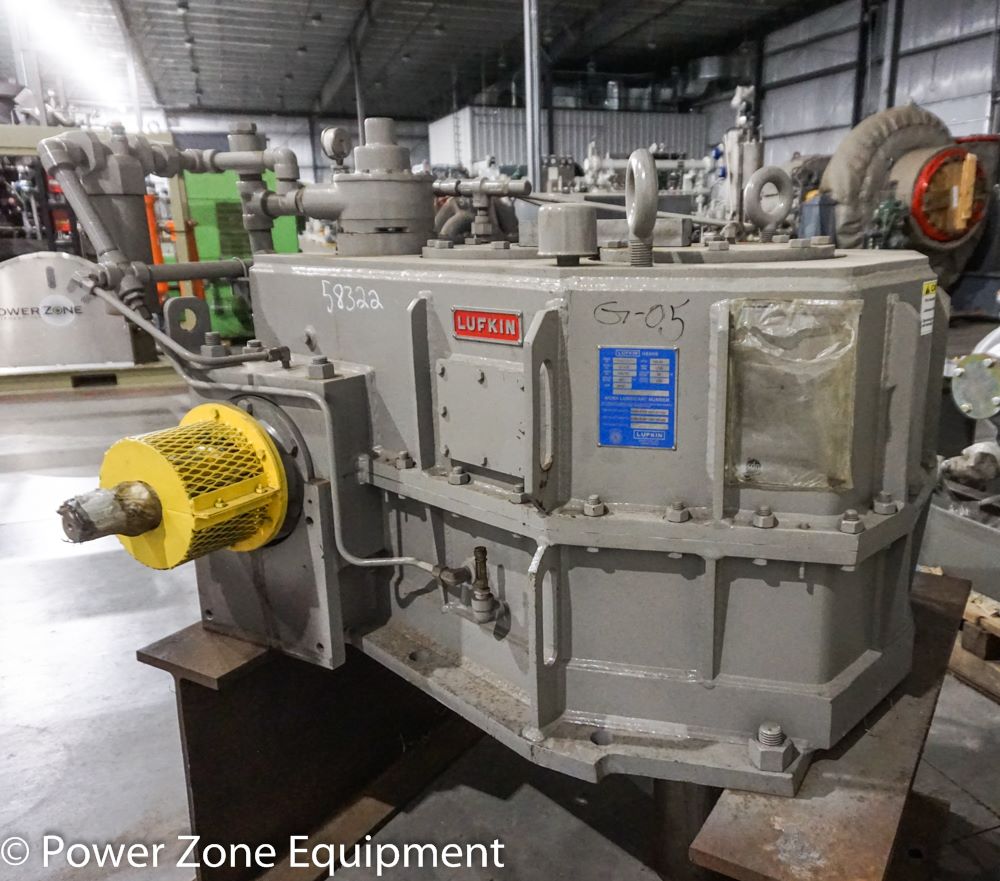
A bevel or helical-bevel unit and a worm reducer can both be right-angle drives, yet behave differently under continuous load. Compare the exact model’s torque, thermal rating, and service requirements. Also check which side the shafts project from—two otherwise similar units can point in the wrong direction for your installation.
The illustrated Lufkin has a seller-stated 156.89:1 reduction and 11.15 RPM output. Other units in this category increase speed instead. The input and output RPM are the quickest way to establish which job a particular gearbox performs.
Typical Pricing
Smaller used and surplus right-angle drives often sit around $500–$2,500. Larger industrial examples can run approximately $4,500–$10,000 or more. Precision servo models, high torque capacity, a motor package, and a documented rebuild can increase the cost. Compare the actual gear design and ratings rather than paying a premium simply for the right-angle configuration.
4. Worm Gearboxes
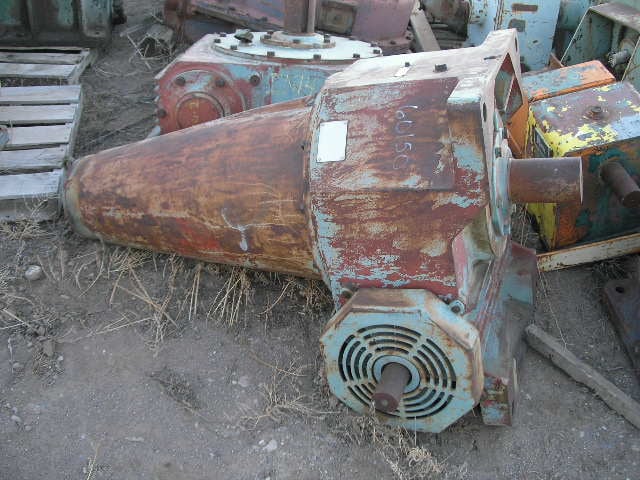
A worm drive uses a screw-like worm to turn a mating gear. It can deliver substantial reduction in a compact right-angle package, which makes it useful for slower conveyors, feeders, and machine adjustments. The attraction is often a simple, compact drive that reaches the output speed you need.
At higher reductions, the sliding action inside a worm drive can turn more input power into heat. For a machine that runs all day, check the manufacturer’s continuous-duty and thermal ratings at your actual speed and load. The lubricant must suit that specific gearset; an oil that works in another gearbox is not automatically suitable here.
Don’t buy a worm gearbox on the assumption that it will hold a suspended or gravity-loaded machine still. Resistance to back-driving is not a substitute for a properly selected brake or load-holding system.
Typical Pricing
Small used or surplus worm reducers commonly occupy the $200–$1,000 bracket. Larger or specialized units can reach $1,000–$3,000 and above, with heavy industrial models often quoted individually. Some compact new general-purpose units also sell for only a few hundred dollars, so compare replacement-new pricing before rebuilding a small worn reducer. Stainless construction, motor adapters, output arrangement, and duty rating all affect cost.
5. Shaft-Mounted Gear Reducers
A shaft-mounted reducer fits onto the driven shaft rather than sitting on a separate base with an output coupling. You’ll often see this arrangement on conveyors and bulk-material equipment. The mounting can save space, but the bore, bushings, and torque restraint have to match the installation.
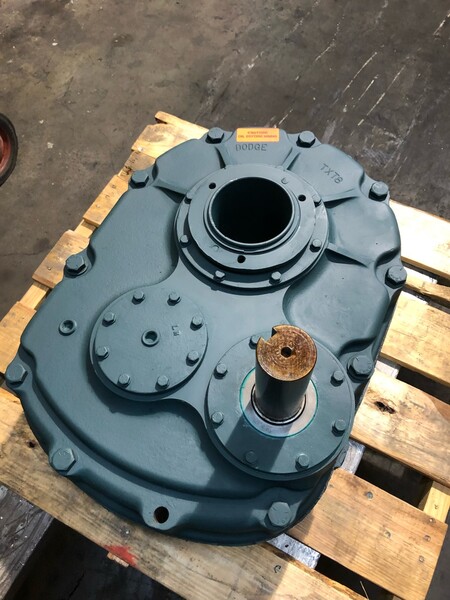
The useful measurements here are the hollow-bore size, shaft diameter, bushing system, and required clearance for installation and later removal. Ask whether the torque arm, bushings, backstop, and motor mounting hardware are included. A reducer alone may be only part of the assembly you need.
A backstop is particularly important to discuss on an inclined conveyor. It permits rotation in a designated direction, and it must suit the drive and application. Don’t assume one is installed because the gearbox model can accept it. The illustrated Dodge TXT8 is a 25:1 example; other sizes and ratios use different shafts and accessories.
Typical Pricing
Smaller used shaft-mounted reducers often range around $600–$3,000. Larger units and rebuilt packages can run approximately $4,000–$15,000. Bore size, torque capacity, rebuild documentation, and included mounting parts explain much of that spread. Exclude broken-casing or parts-only offers when comparing a ready-to-install replacement.
6. Gear Increasers Without a Driving Unit
When a driven machine needs more RPM than the motor or engine supplies, a speed increaser bridges the gap. These standalone units show up in pump, compressor, turbine, and other process-equipment drives. Many are engineered around a particular operating speed and power range.
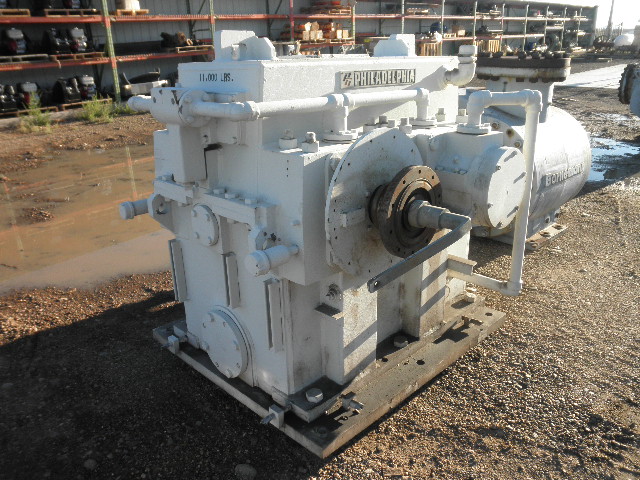
The illustrated Philadelphia 15HS is listed at 6,500 HP, with 1,785 RPM input and 7,081 RPM output. That is a useful reminder to price the whole drive system. Lubrication pumps, coolers, instrumentation, couplings, and rotation requirements can be as important as the gearbox itself.
Do not assume an ordinary reducer can become an increaser just by connecting the shafts the other way around. Bearing speeds, lubrication, seals, and thermal capacity need manufacturer review. For a high-speed replacement, have the proposed gearbox and coupling arrangement reviewed against the driven machine’s requirements.
Typical Pricing
Large industrial speed increasers are generally quoted to the application. The current SR examples reviewed for this guide did not provide enough comparable asking prices to support a meaningful dollar range. A small reducer or a miscellaneous enclosed drive is not a useful price substitute for a multi-thousand-horsepower increaser. Expect the ratio, speed, power rating, condition, test documentation, and completeness of the oil system to drive the quotation; compare used, rebuilt, and new proposals on the same scope.
7. Planetary Gearboxes
Planetary gearing places several planet gears around a central sun gear. This arrangement can package substantial torque into a compact unit. But the category spans two very different purchases: small precision gearheads for motion control and large industrial gear units for heavy machinery.
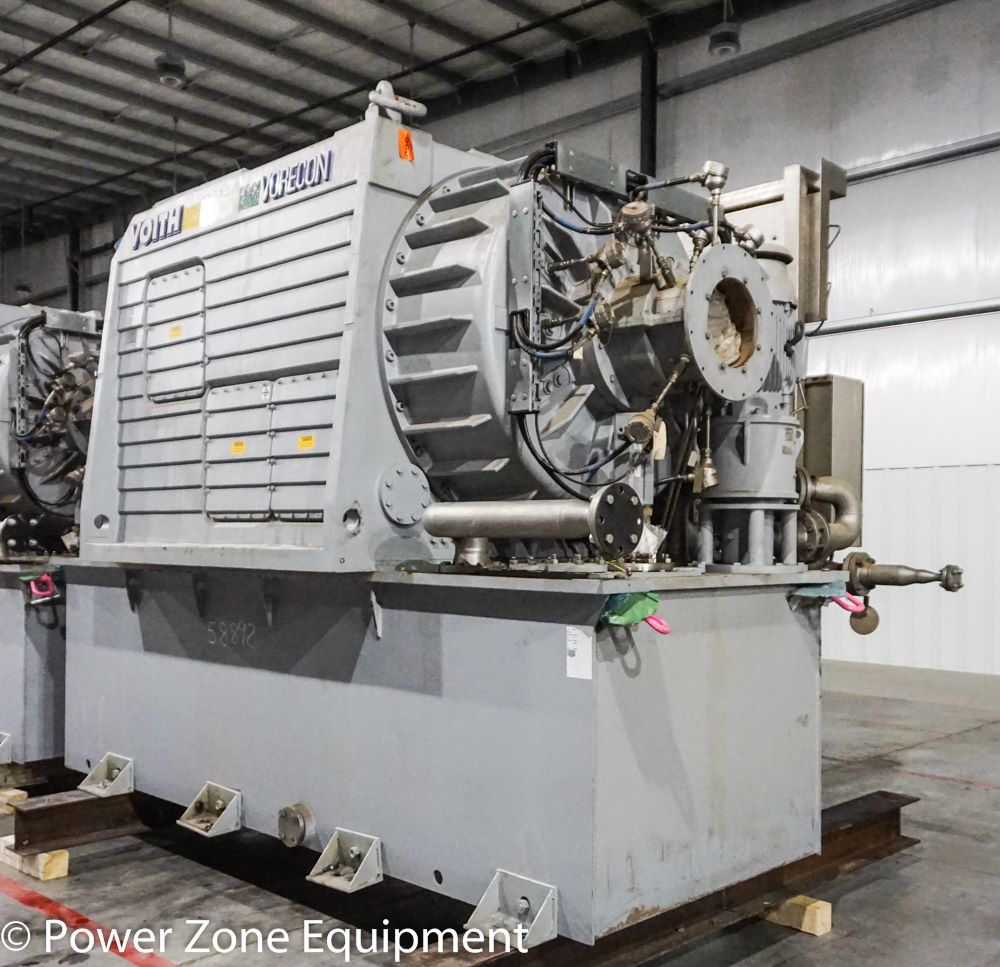
For a servo-driven machine, compare backlash, continuous and peak torque, input-speed limits, and the motor adapter. Backlash is the small amount of free movement when direction reverses; too much can make accurate positioning harder. A similar-looking flange does not establish motor compatibility.
For a large process gearbox, focus on the duty cycle, output torque, lubrication, cooling, and support arrangements. Don’t assume every planetary unit is a speed reducer, or that a precision gearhead and a large process drive share the same selection rules.
Typical Pricing
Many compact used and surplus planetary gearheads fall around $250–$2,000, with larger or specialized precision units reaching $2,000–$5,000. Basic new servo gearheads can also begin in the hundreds, making adapter compatibility and warranty worth comparing. Large industrial planetary drives are a separate market: current asking-price examples around $58,000–$62,000 illustrate the difference in scale, not a universal range for heavy units. Torque capacity, backlash specification, size, and included equipment all influence price.
Match the gearbox to the way the machine works
A conveyor running steadily through a shift asks something different of its drive than a mixer starting with a full batch. Frequent starts, reversals, impacts, and stalled loads can make two applications with the same motor horsepower very different gearbox jobs. Tell the seller what the drive will actually do, including operating hours and the toughest part of its cycle.
For bulk handling, a shaft-mounted or conventional helical reducer may be a useful starting point. Compact packaging machinery often benefits from a gearmotor or right-angle layout. Positioning equipment may need a low-backlash planetary gearhead, while a high-speed compressor drive belongs in the increaser discussion. These are starting points—the final choice still depends on the load and mounting details.
Key gearbox specifications to compare
Start with ratio, input and output RPM, horsepower, output torque, service factor, and shaft or bore dimensions. Those numbers decide whether a gearbox can do the job and fit the machine. For gearmotors, add motor voltage and frame; for precision planetary units, add backlash and motor-adapter details. Check out more details on each of the Gearboxes’ key specs below!
Gear ratio and input/output RPM
A 20:1 reducer turning at 1,750 RPM produces about 87.5 RPM at its output. A 40:1 unit on the same input turns at about 43.75 RPM. That is a large difference in conveyor or mixer speed, even when the housings look similar. Use the actual motor operating speed rather than assuming every motor runs at exactly 1,800 RPM.
For an increaser, establish which shaft is the input and which is the output. Ratio notation is not always written consistently in used-equipment descriptions. Ask for the nameplate and resolve any mismatch between the stated ratio and RPM before buying.
Horsepower and output torque
Horsepower describes transmitted power; torque tells you how much turning force is available at the shaft. At the same power, a slower output means more torque. That is why horsepower alone is a poor way to compare a fast drive with a slow, heavily loaded one.
Check the gearbox’s allowable torque at the required speed and duty, including starting and peak loads. Pay attention to the units: pound-inches, pound-feet, and newton-meters are different. Also distinguish a catalog rating from the rating for the actual application. A large catalog horsepower number does not guarantee the same capacity in continuous, shock-loaded service.
Service factor and operating duty
Service factor provides a way to account for application demands beyond a basic rating. It is not a universal allowance for overloading the machine. A reducer that suits a smooth, intermittent load may be undersized for a conveyor that starts loaded repeatedly or a mixer that encounters heavy resistance. Use the manufacturer’s selection procedure for your load, hours, starts, and drive arrangement.
Shafts, bores, mounts, and rotation
Measure shaft diameters and extensions, keyways or splines, hollow bores, bolt centers, and shaft center heights. Include the space needed for the coupling, torque arm, guards, and future removal. For a right-angle unit, check the shaft side and direction of rotation from the stated viewing position. A dimensioned drawing is far more useful than “it looks about the same.”
Motor interface and electrical ratings
For a complete gearmotor, match voltage, phase, frequency, motor frame, and any brake or encoder requirements. For a bare reducer, check the motor flange and input connection. If you plan to use variable speed, review the motor and gearbox’s allowable speed range, cooling, and lubrication requirements together. A VFD does not remove the reducer’s mechanical or thermal limits.
Planetary backlash and peak ratings
For indexing and positioning, a gearhead’s backlash specification can matter as much as its ratio. Compare continuous torque, permissible peak torque, and the duration or frequency of those peaks. Ask for the exact motor-adapter configuration rather than assuming another gearbox with the same frame size will fit.
What to check before buying a used gearbox
Start with clear nameplate photos, the full model and serial number, and a description of the previous service. Ask why the unit was removed and whether it was running, stored as a spare, or rebuilt. “Rebuilt” is most useful when it comes with a repair scope and test records, not just fresh paint.
- Ask for close photos of the shaft ends, keyways, seals, mounting feet, and housing joints. Look for damaged threads, worn fits, repairs, and oil-leak evidence.
- Have a qualified technician assess bearing play, abnormal noise, backlash, and accessible tooth condition against the manufacturer’s requirements. A shaft that turns by hand does not establish load-carrying condition.
- Request available oil-analysis, vibration, temperature, or run-test records. For a major process drive, an independent inspection can be worth arranging before purchase.
- Confirm the approved mounting position, oil specification, fill quantity, breather arrangement, and any lubrication pump or cooler requirements. Changing orientation may require changes to the lubrication setup.
- Ask about parts availability and the cost of bearings, seals, gears, or a replacement adapter. An uncommon unit can be inexpensive to buy and expensive to repair.
Any powered inspection should be performed by qualified personnel with suitable guarding and procedures. Do not run an unfamiliar gearbox dry or without its required lubrication and cooling equipment.
Budget for the complete installation
The asking price is only one part of the purchase. Add the motor or motor adapter, couplings, bushings, torque arm, guards, base changes, lubricant, freight, rigging, alignment, and commissioning. For a high-speed increaser, include the oil system and monitoring equipment in the scope from the start.
A slightly more expensive unit that matches your shafts and mounting arrangement may be the better buy than a cheaper gearbox that needs extensive modifications. Get a written list of what is included and compare the installed cost. Pricing in this guide represents approximate equipment-only asking-price guidance in USD, not completed-sale values or a seller quotation.
If the gearbox needs a separate motor, use SR’s Electric Motor Search and the AC Motors Buying Guide to narrow the electrical and frame requirements.
Gearbox buyer’s checklist
- Required output speed and torque are written down, including starting or peak load.
- Input speed, ratio, duty cycle, and service factor have been reviewed for the application.
- Shafts, bores, motor interfaces, bolt patterns, rotation, and clearances match.
- The seller has identified the exact unit, condition, repair history, and available test evidence.
- Included motor, bushings, torque arm, backstop, guards, oil system, and controls are listed in writing.
- Freight, installation, alignment, lubricant, and commissioning are included in the budget.
Gearbox buying FAQs
A gear reducer is a gearbox designed to lower output speed. Gearbox is the broader term and also includes speed increasers and other arrangements. Check the input/output RPM and the specific unit’s intended operation.
Only if the manufacturer approves that use for the exact gearbox and operating conditions. Reversing the power flow can create problems with bearing speed, lubrication, seals, and heat. Buy a purpose-selected increaser when the driven machine needs higher RPM.
Not by itself. More reduction gives lower output speed and can multiply torque from the input, but the gearbox still has its own mechanical and thermal limits. Compare the rated output torque and duty rather than assuming the largest ratio has the greatest capacity.
Do not rely on a worm reducer as a brake or safety holding device. Back-driving behavior can change with operating conditions. Applications involving gravity or suspended loads need an appropriately designed braking or holding system.
A bare reducer makes sense when your existing motor is suitable and the interfaces match. A gearmotor can simplify a new installation or replacement of the whole drive. Compare what comes with each offer, including adapters, brakes, controls, and mounting parts.
Popular Gear Reducer & Geared Drive Listings
Popular equipment based on listing views over the past month.
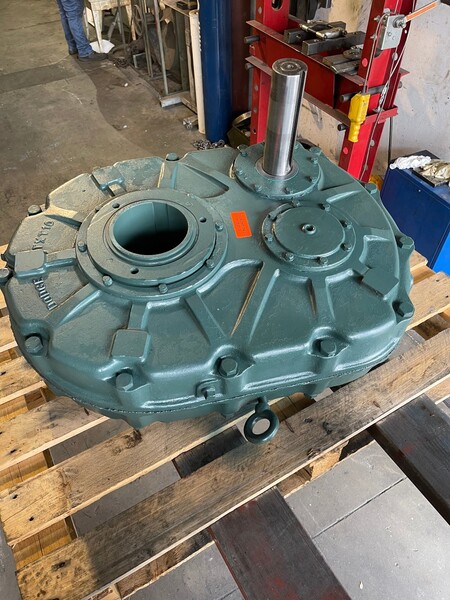
Dodge #TXT10, gearbox, 25.00 :1 ratio, rebuilt
Shaft Mounted Gear Reducers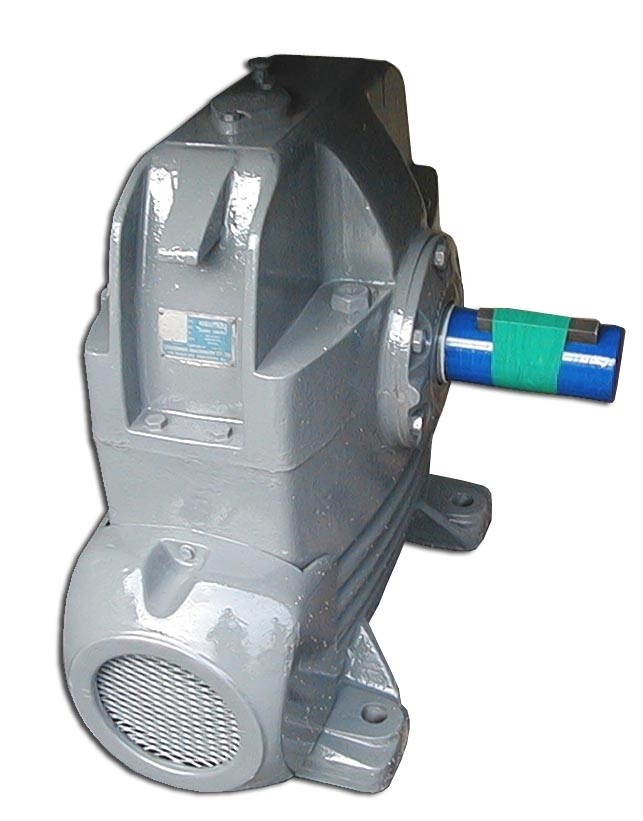
Highfield Type H.U. #10804/0 size 10 right angle gear reducer, 10.00 :1 ratio (2 available)
Gearboxes (Gear Reducers - No Driving Unit)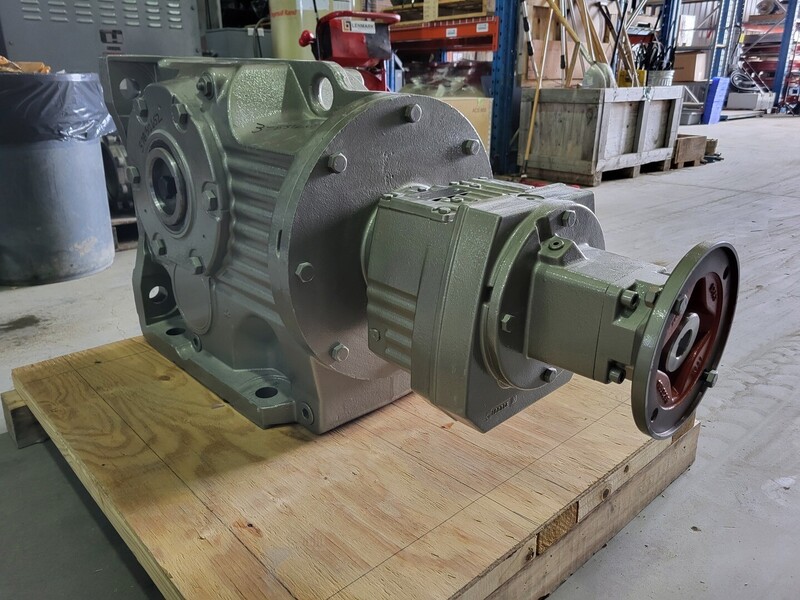
Sew-Eurodrive, Gear Reducer Type KA127 R87 AM213/215 Type RF87/A, 6.39:1 Ratio
Gearboxes (Gear Reducers - No Driving Unit)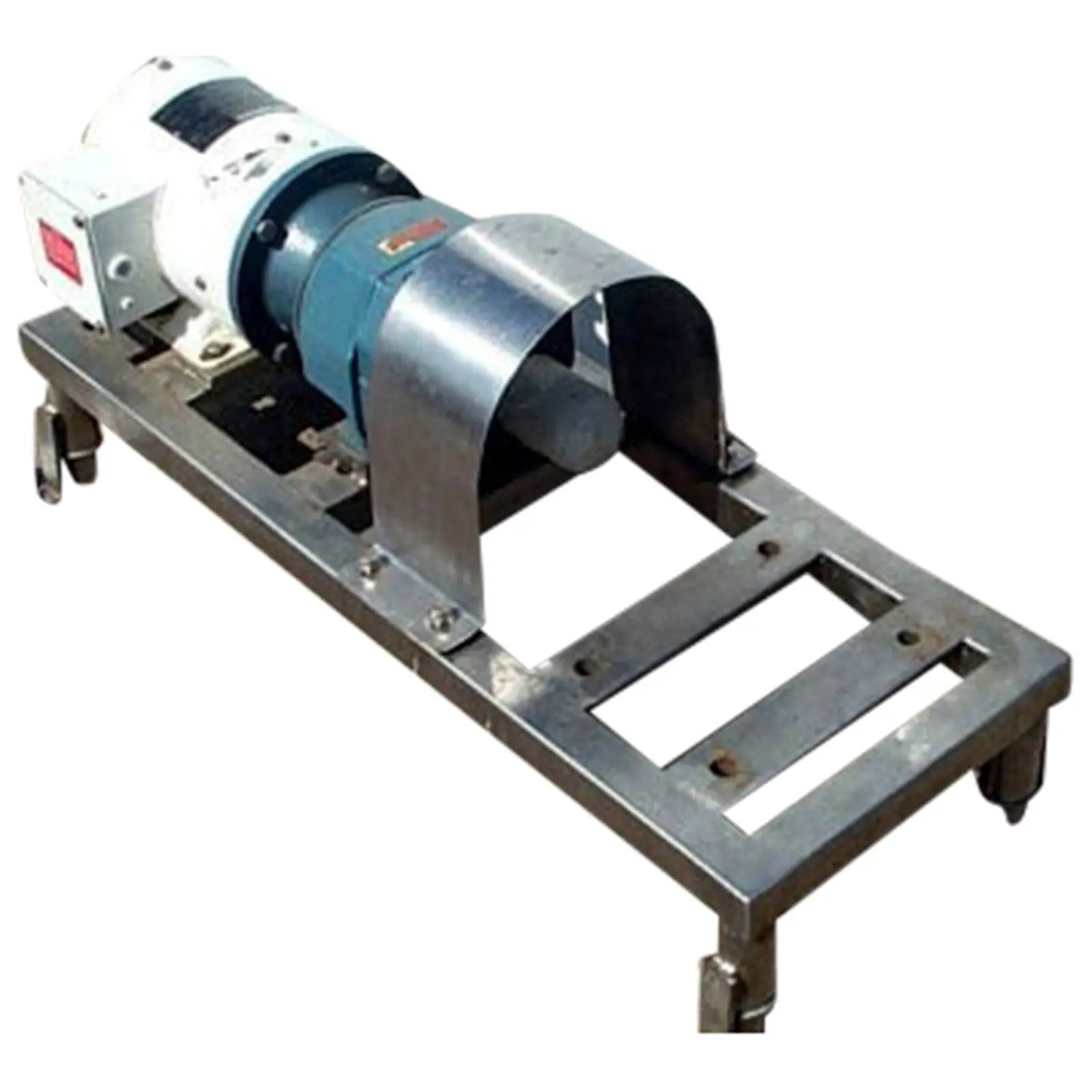
1.5 HP @ 1725 RPM, Boston #Gear-800-Series, gear reducer, 3/4" shaft, Stainless Steel base, 208-230/460 Volts
Gearboxes (Gear Reducers - No Driving Unit)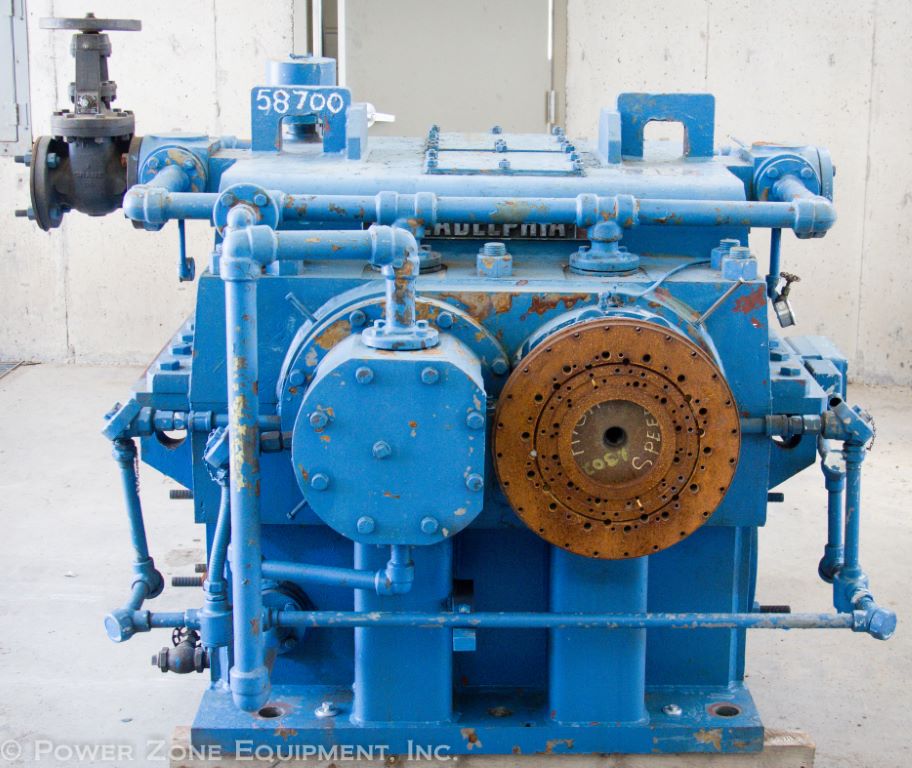
8900 -1780 HP @ 2000-7000 RPM, Philadelphia #8900, Parallel Shaft Gearbox, 1.30 :1 Ratio, 1.4 service factor
Gearboxes (Gear Reducers - No Driving Unit)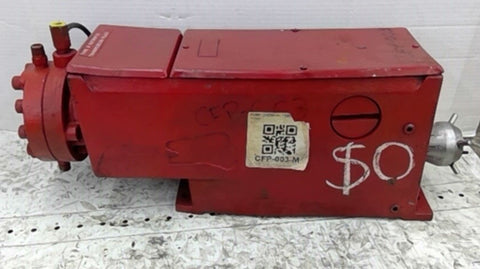
Milton Roy Milroyal #1-42-46SM 109822-1 pump, 4.4 GPH, 3010 psi
Gearboxes (Gear Reducers - No Driving Unit)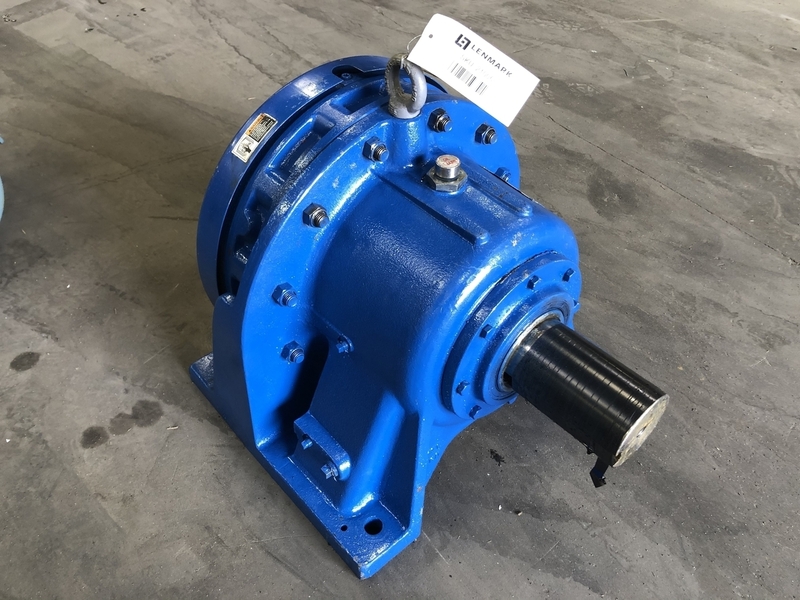
Sumitomo SM-Cyclo #CHH-6215Y, Gear Reducer, 15.00 :1 ratio, 1-7/8" input shaft, 4-1/4" output shaft
Gearboxes (Gear Reducers - No Driving Unit)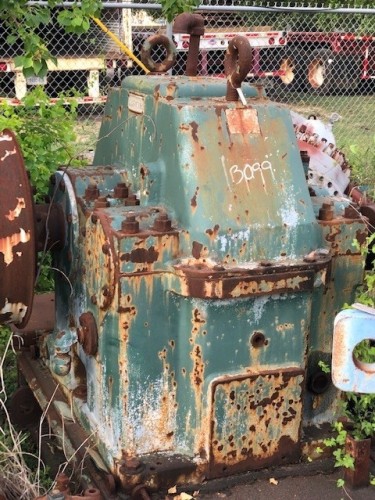
2100 HP @ 1000 RPM, Lufkin #N1604C, 3977 RPM out, 3.97 :1 ratio, 1.88 service factor
Gearboxes (Gear Reducers - No Driving Unit)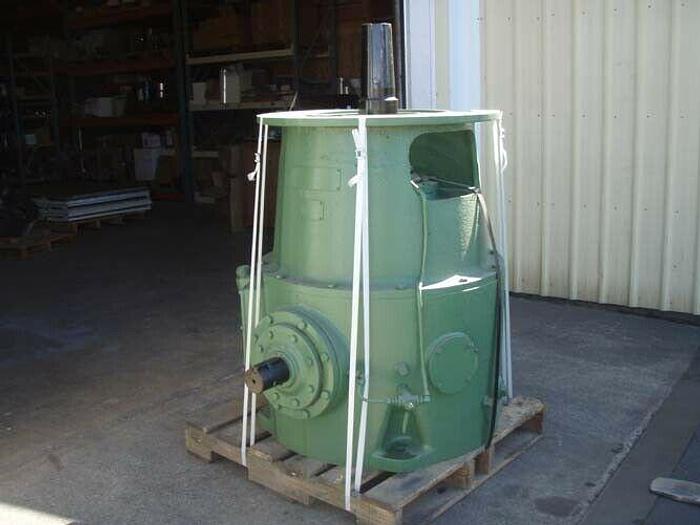
GL & V #350, gear reducer pulper drive, 3.00 :52:1 ratio, rebuilt by Martco
Gear Reducers, With Driving Unit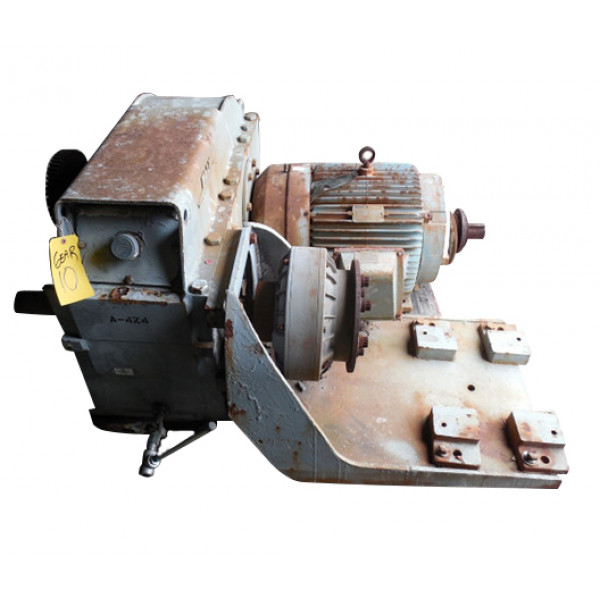
50 HP @ 1170 RPM, Falk #2100Y2-L, 38.08:1 ratio, 30 RPM output, 1.73 Svc Factor
Gearboxes (Gear Reducers - No Driving Unit)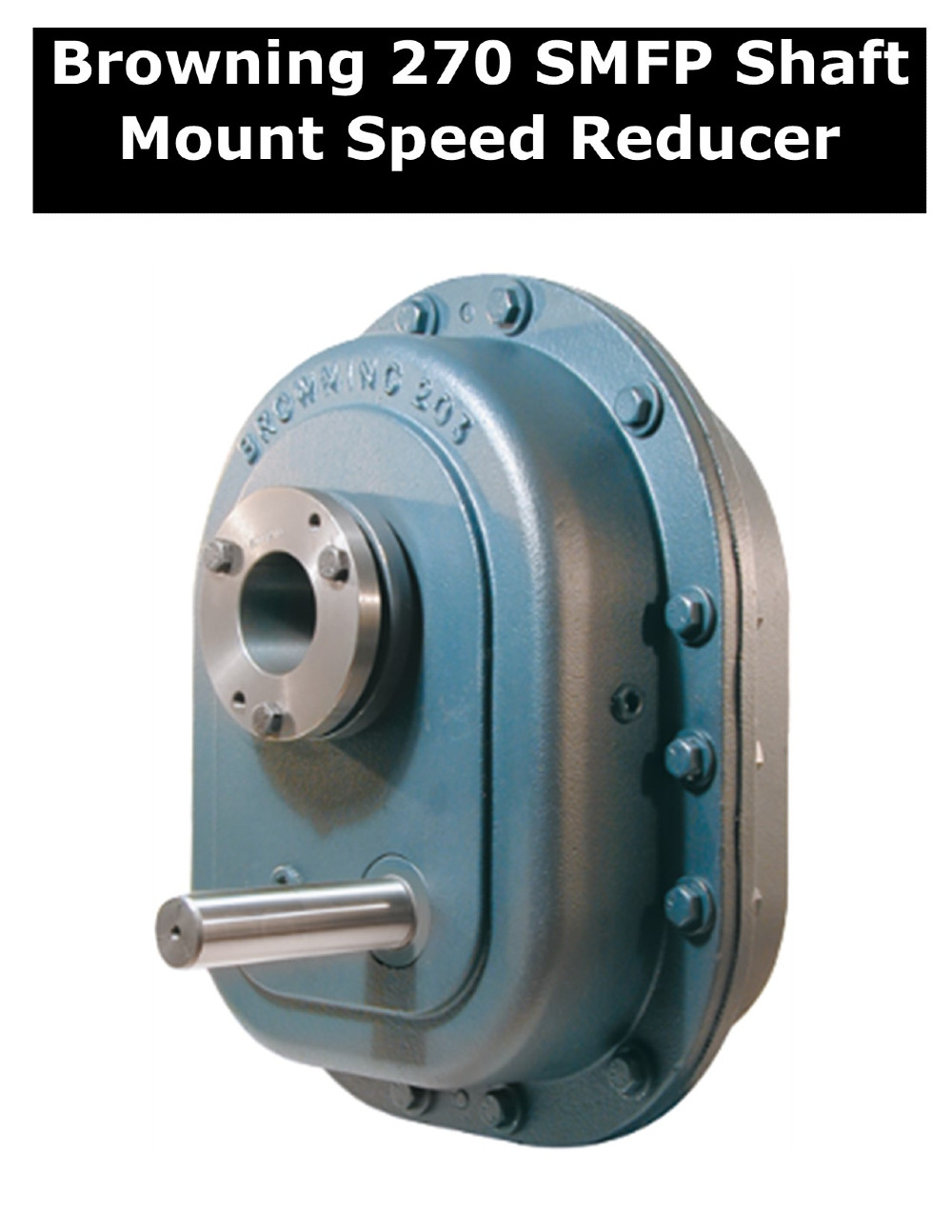
Browning #207SMTP, Helical shaft mount speed reducer, tapered bore, new
Shaft Mounted Gear Reducers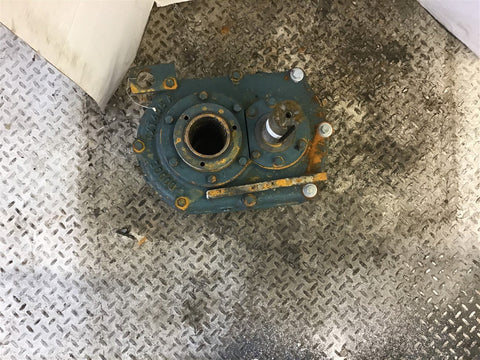
Dodge #TXT405A, shaft mounted gear reducer, 46 HP, 65.00 :1 ratio
Shaft Mounted Gear Reducers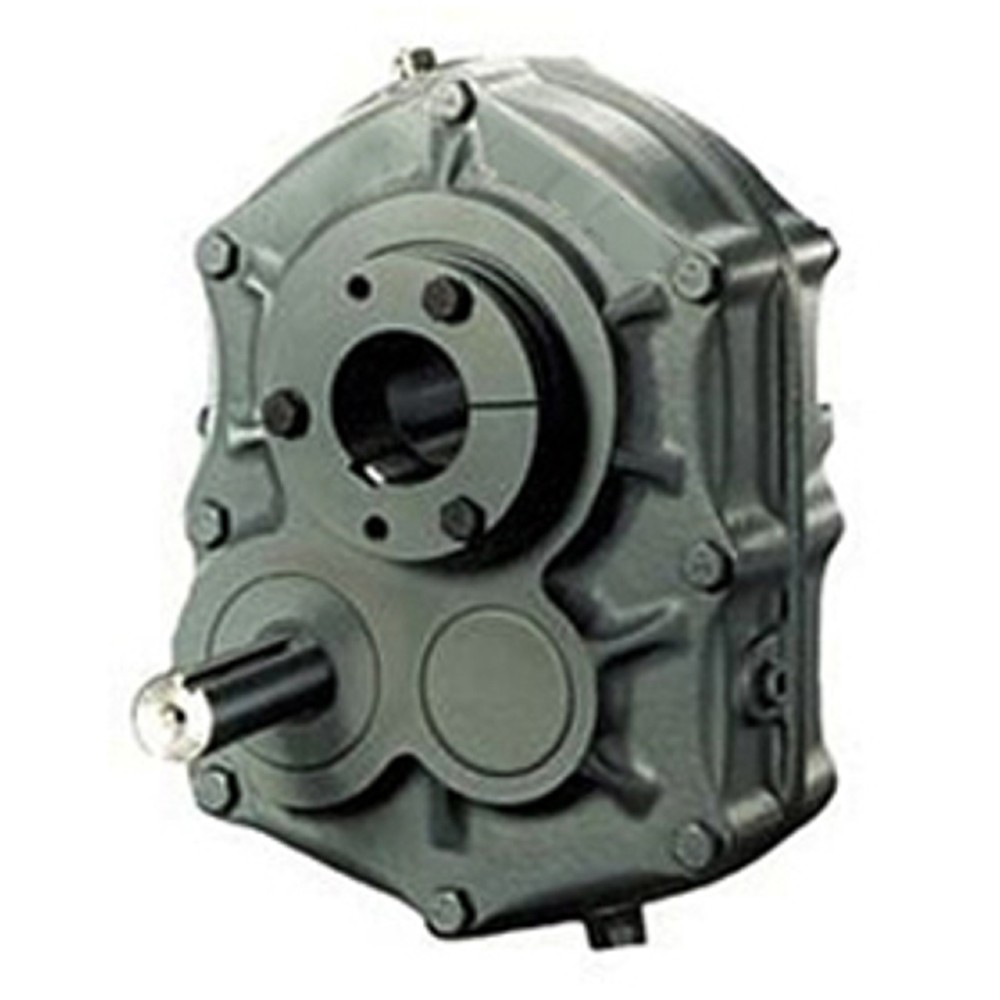
Dodge #TXT4, 15:1 & 25:1 Ratios, gearbox, new
Shaft Mounted Gear Reducers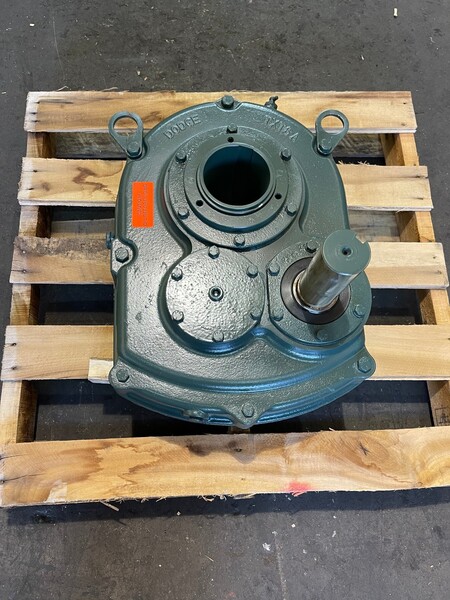
Dodge #TXT6, 25.00 :1 ratio, rebuilt
Shaft Mounted Gear Reducers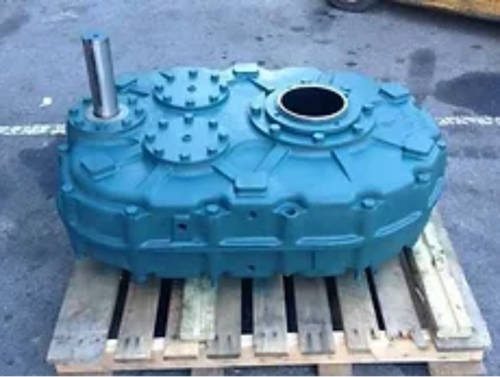
Dodge #TXT12, gearbox, 25.00 :1 ratio, rebuilt
Shaft Mounted Gear Reducers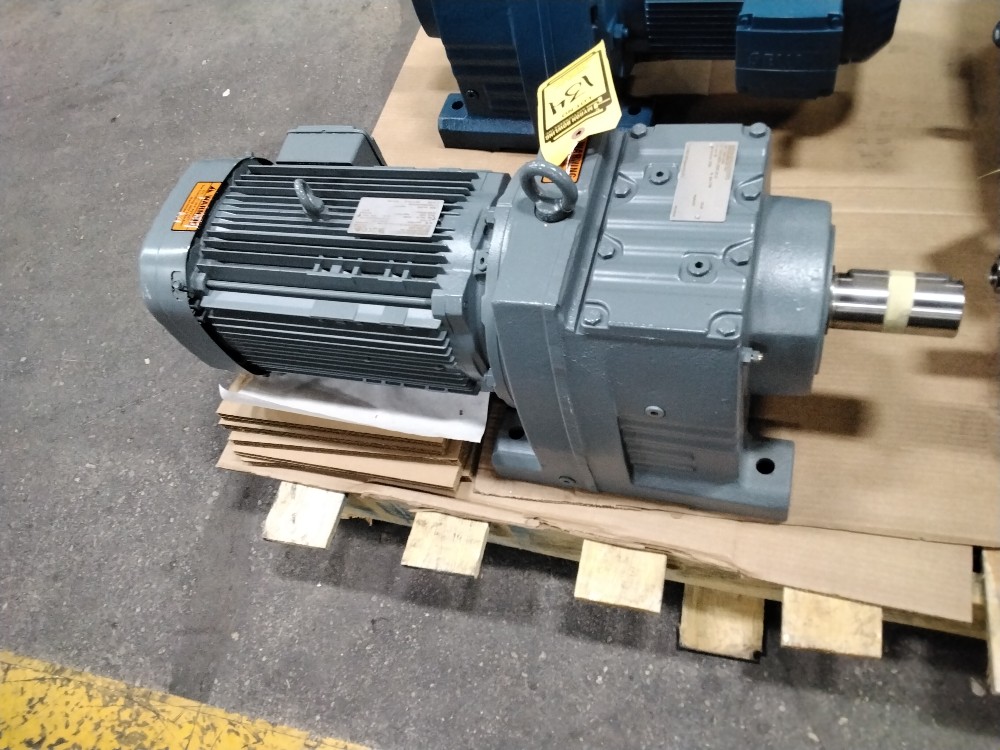
7.5 HP, 1768 RPM, SEW #R87DNR132S4, gear reducer, 48 RPM out, 230/460 Volts 3 phase, new surplus
Gear Reducers, With Driving Unit
Dodge gearbox #TXT9
Shaft Mounted Gear Reducers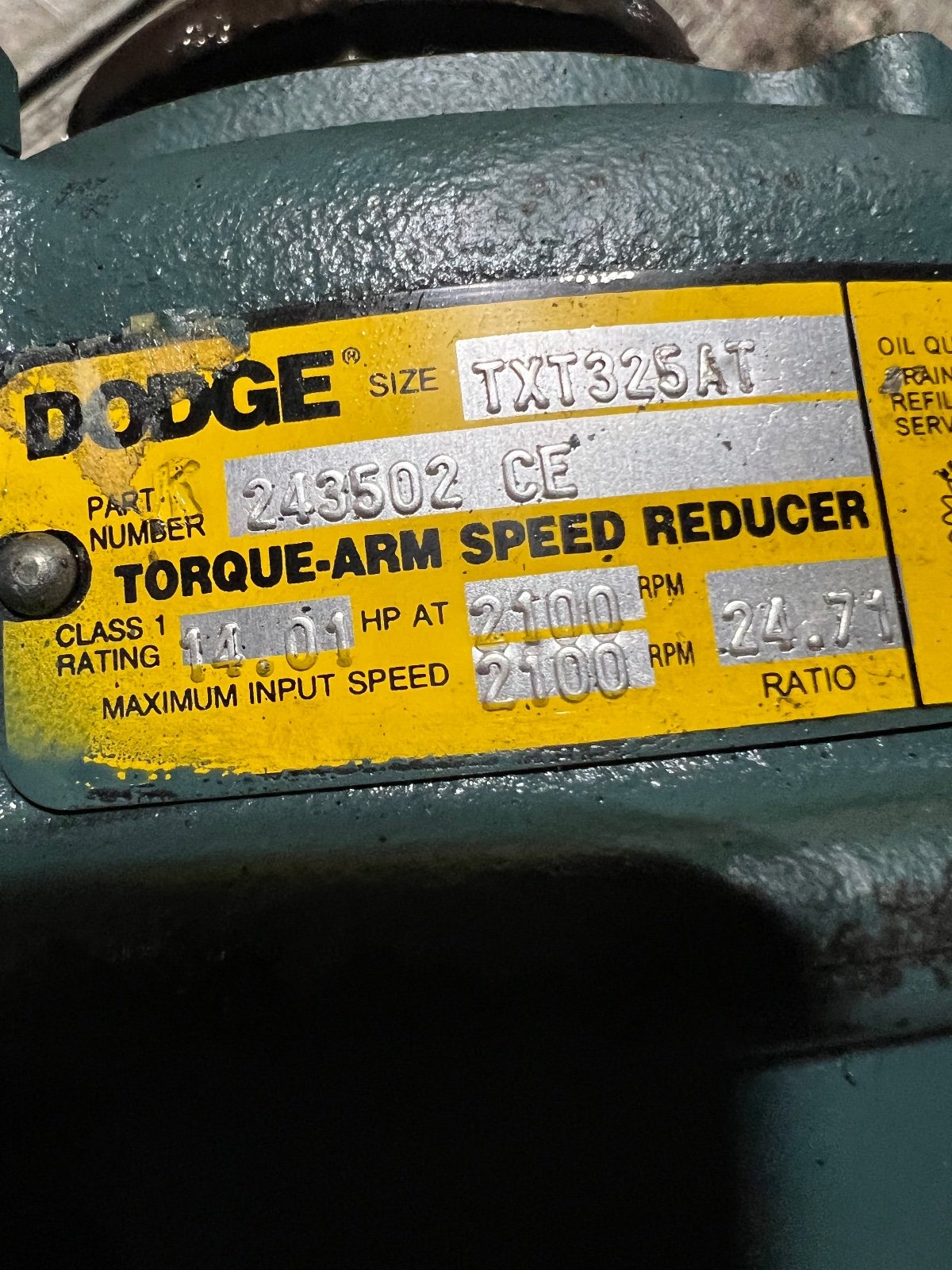
Dodge #TXT325AT, Torque-Arm shaft mount speed reducer, Class I, 14.01 HP, 2100 RPM, 24.71:1 ratio
Shaft Mounted Gear Reducers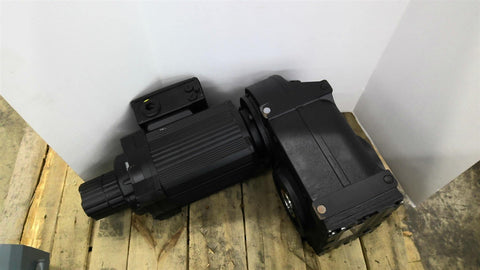
4500 RPM, Sew Eurodrive FA77B CM112M/BR/TF/AK1H/KK, 400 Volts
Gear Reducers, With Driving Unit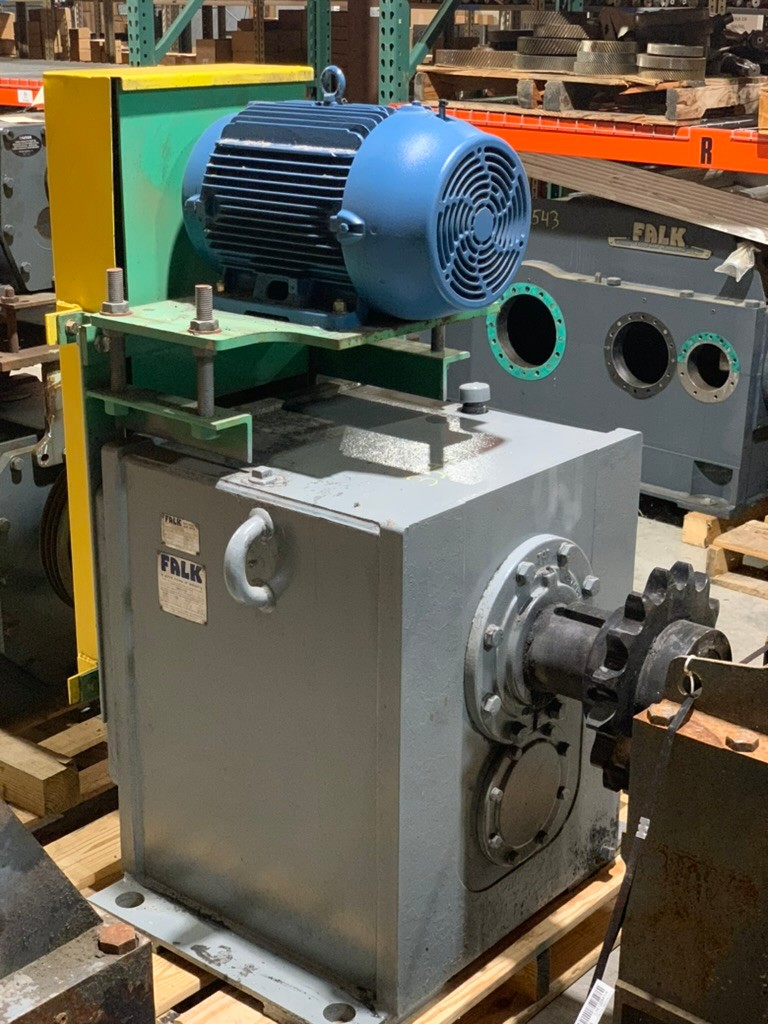
85 HP, Falk 1120FC3A, gear reducer, 88.15 ratio, Weg 20 HP motor
Gear Reducers, With Driving Unit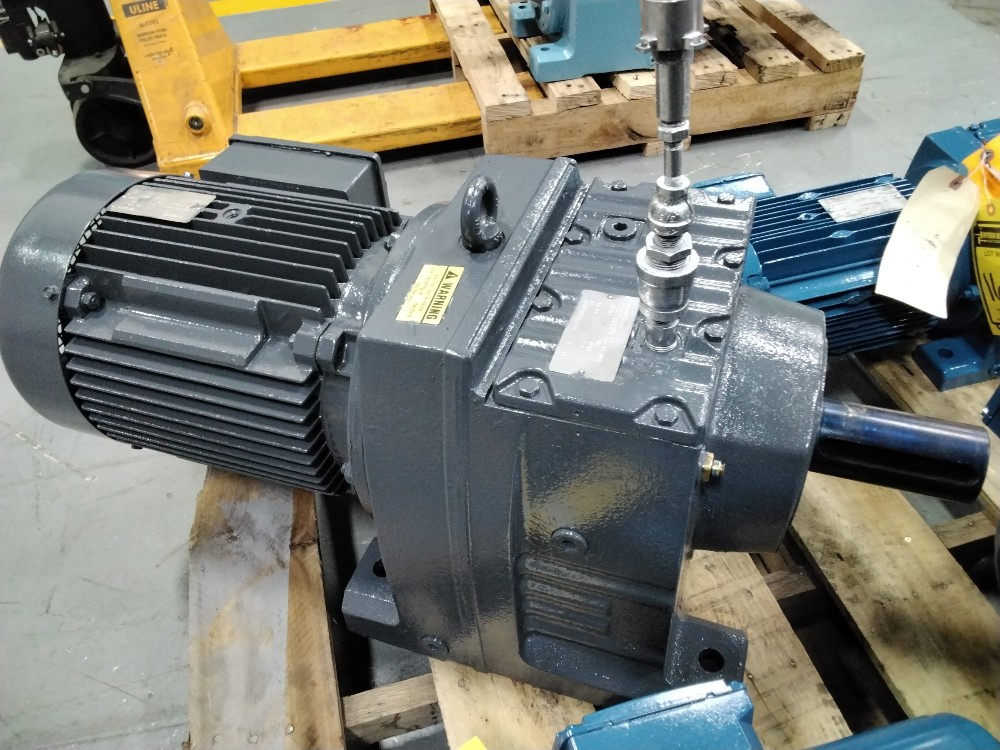
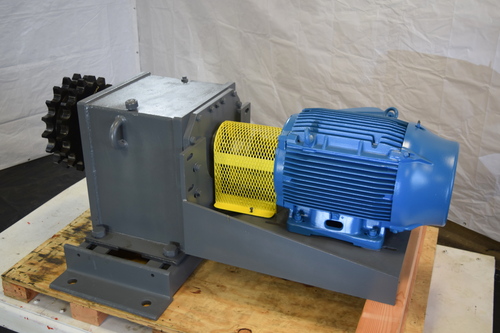
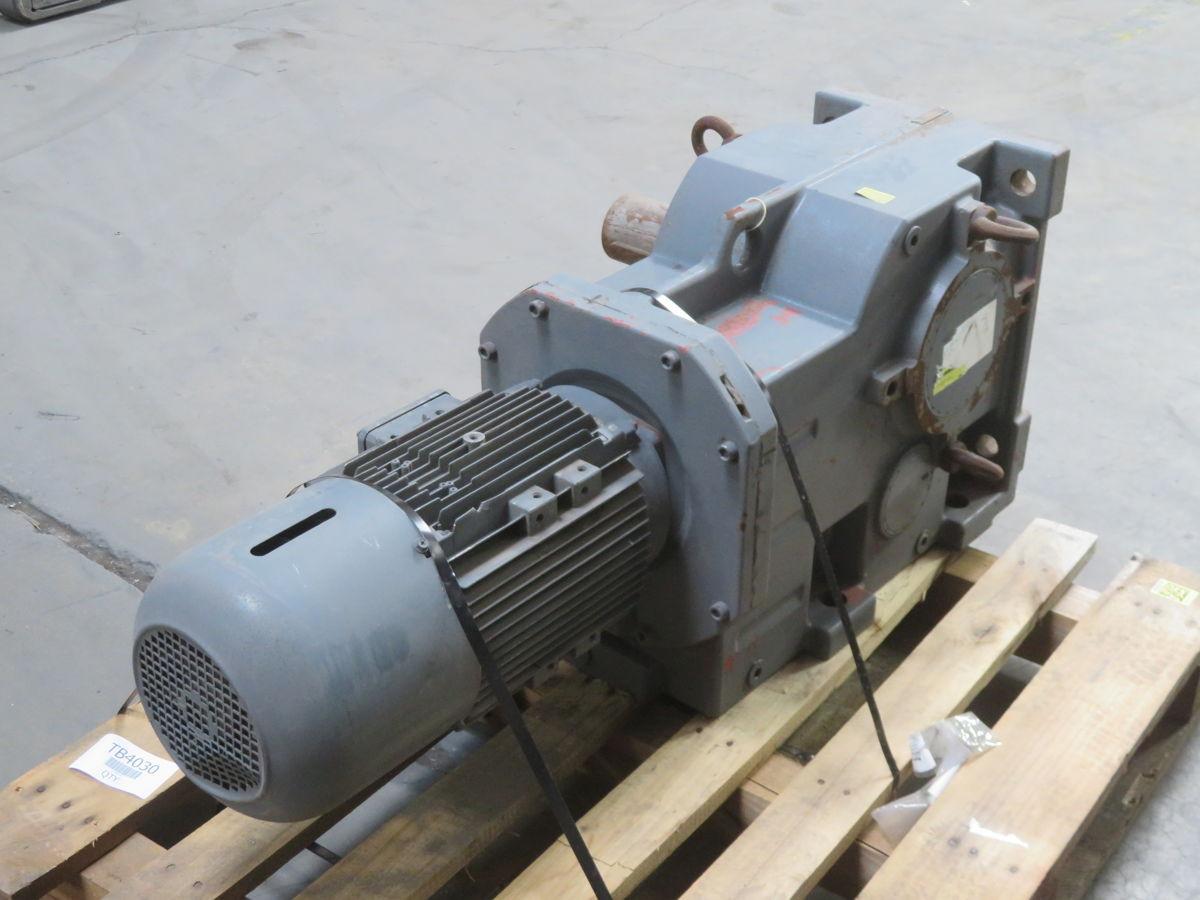
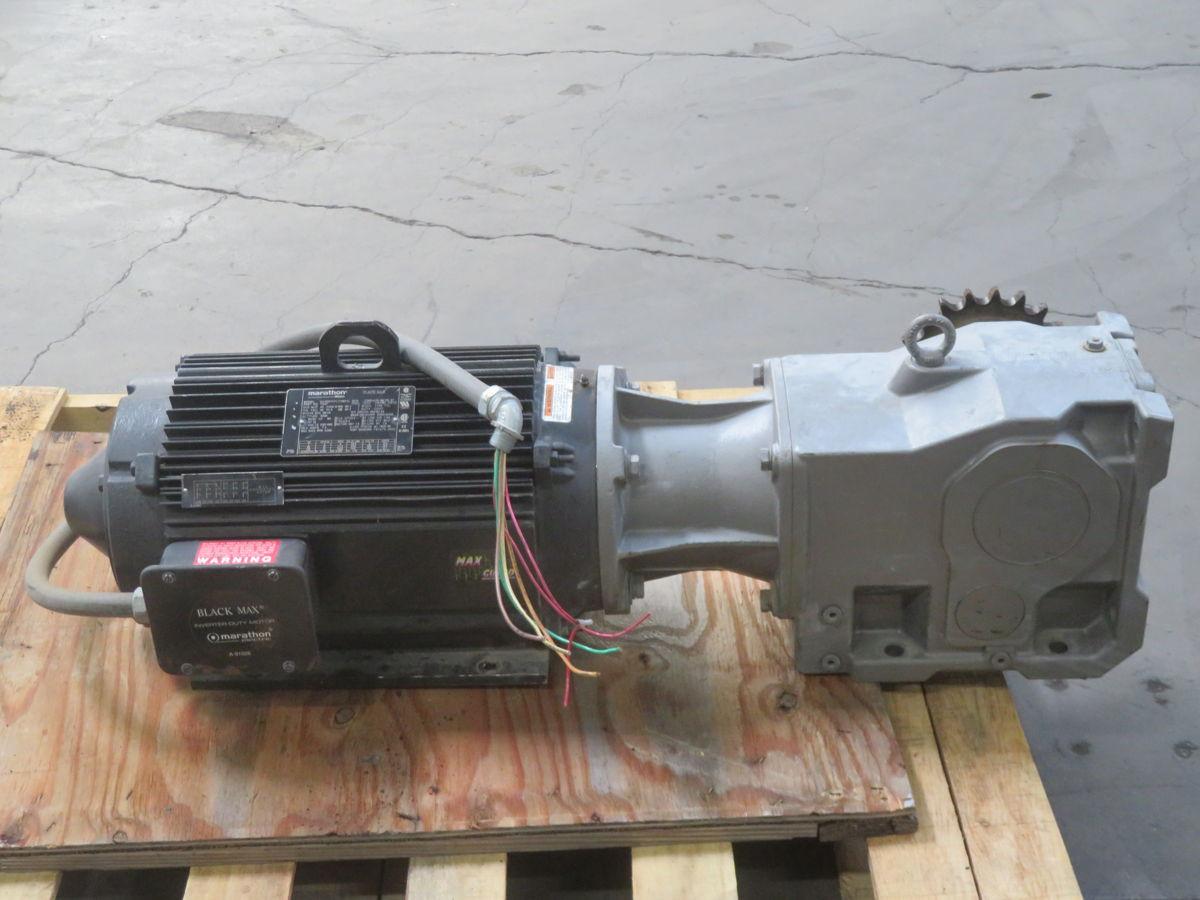
Popular Right-Angle, Worm & Planetary Gearboxes
Popular equipment based on listing views over the past month.
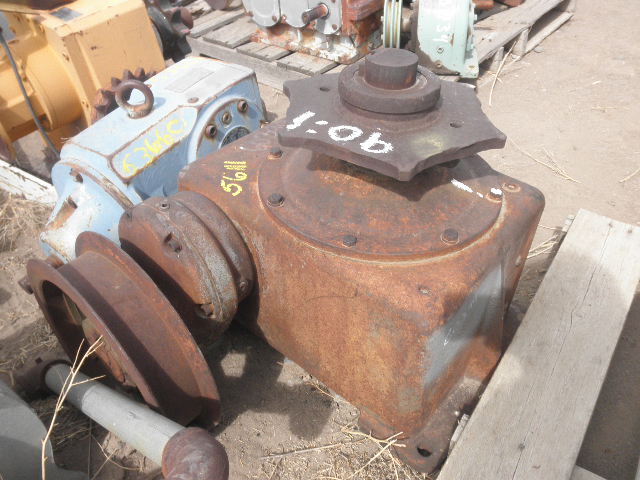
Morse, Worm Drive Gearbox, vertical up, 90:1 Ratio, 2.5" output Shaft
Worm Gearboxes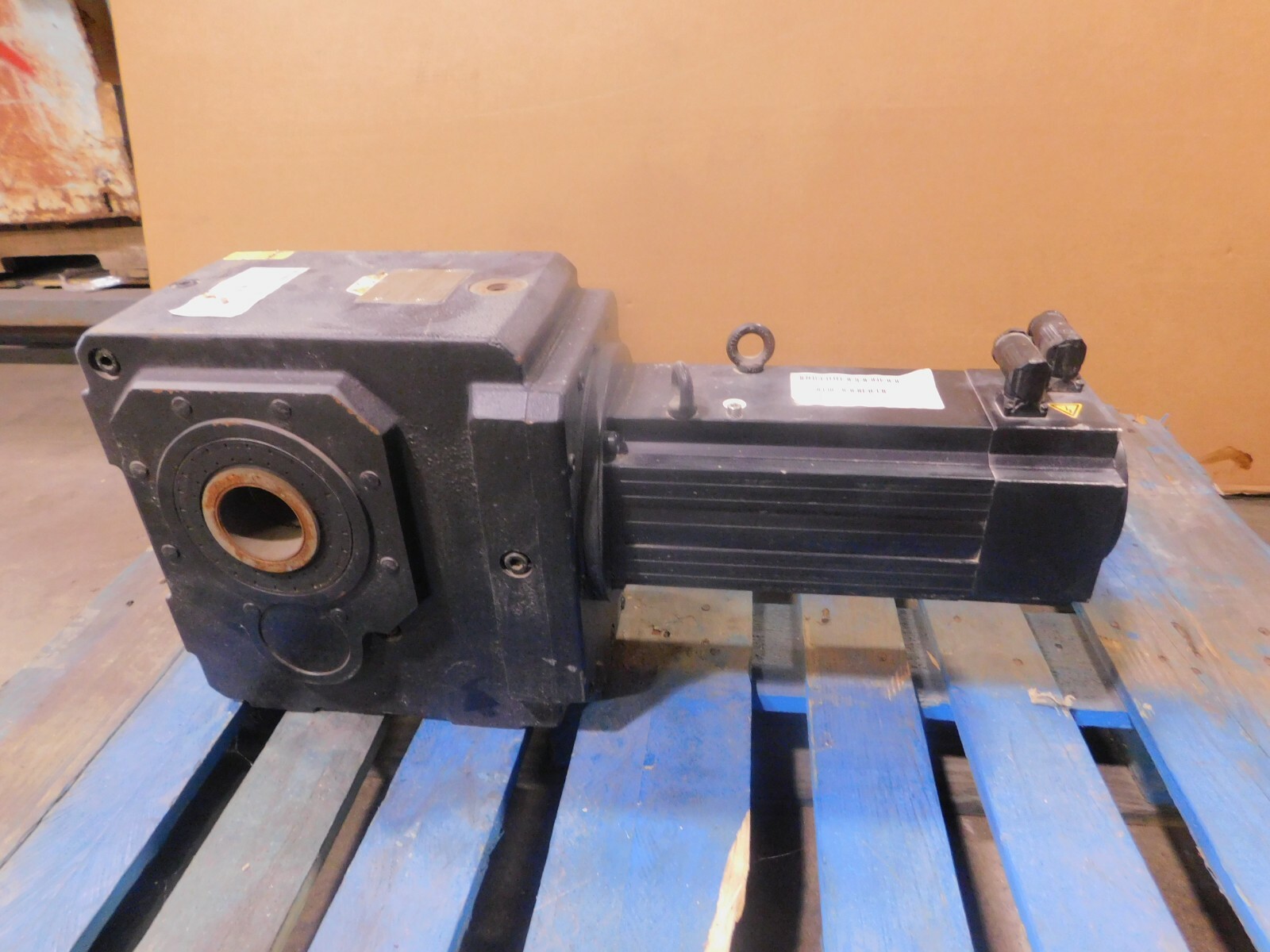
Stober, Servo Motor & Right-Angle Gearbox, K713SG0890ED704U Used
Right Angle Gear Increasers and Reducers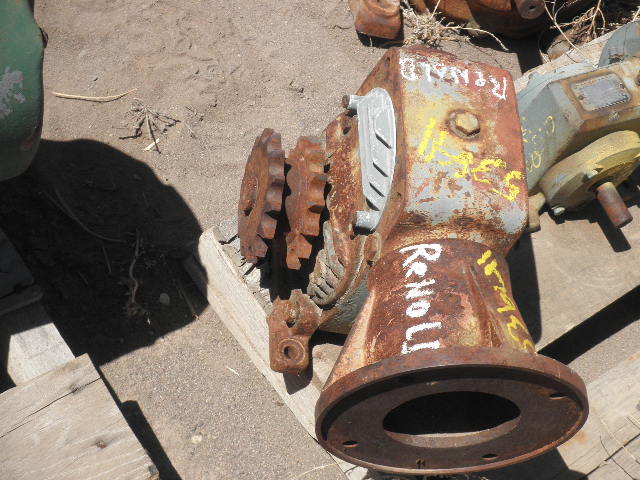
Renold #30, Gear Drive, 20:1 Ratio
Worm Gearboxes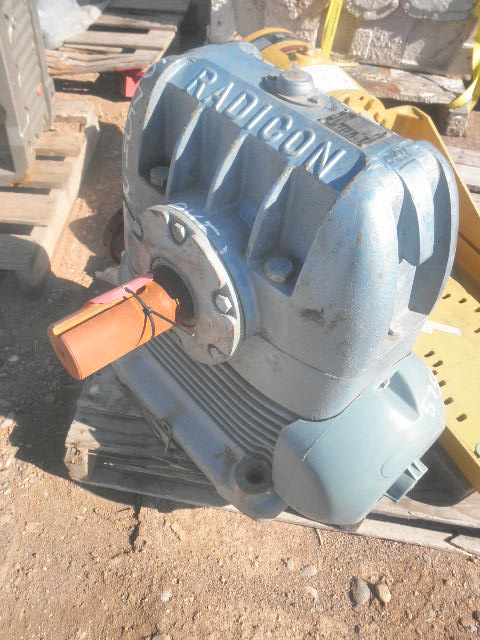
45 HP @ 1450/37.5 RPM, Radicon #AU800-8, Worm Gear Reducer Gearbox, 40:1 Ratio, 34 kW
Worm Gearboxes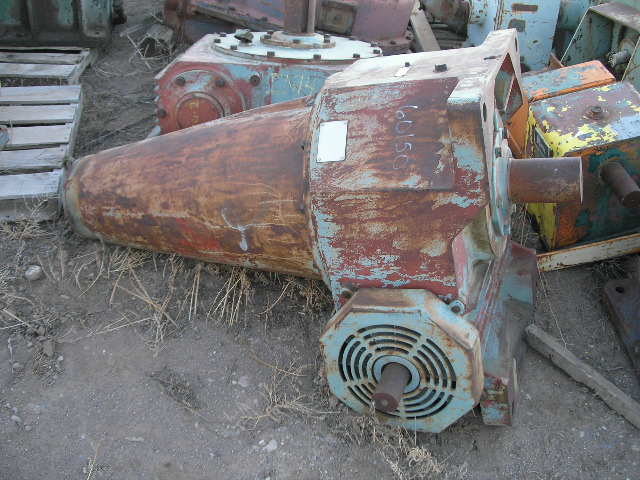
53.6 HP @ 1150/55 RPM, Philadelphia #1200VS, Worm Gearbox, 20.9:1 Ratio
Worm Gearboxes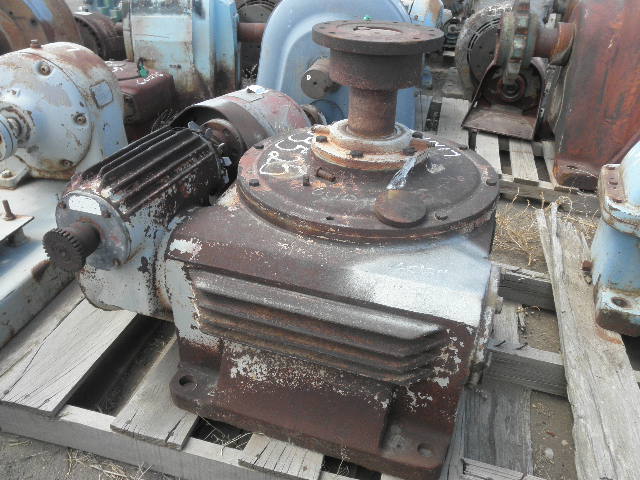
4 HP @ 1150/2 RPM, Link-Belt #DWV1000-71, Worm Gearbox, 500:1 Ratio
Worm Gearboxes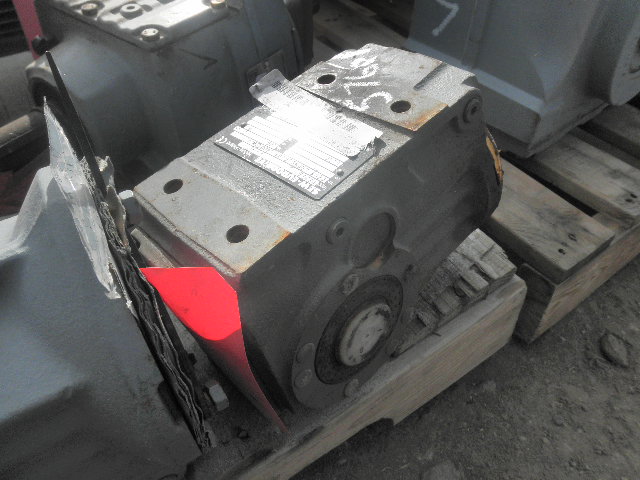
103 HP @ 4500 RPM, Eurodrive #KA37A, Right Angle Gear Reducer Gearbox, 5.36:1 Ratio, 839 RPM Output
Right Angle Gear Increasers and Reducers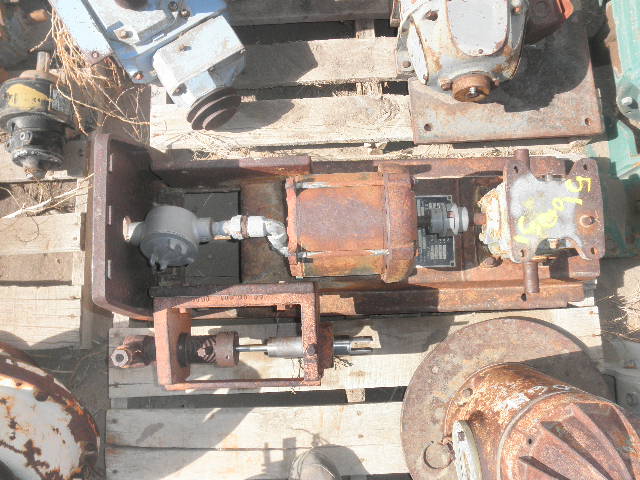
0.97 HP @ 1800 RPM, Eberhardt Denver #20W, Right Angle Gearbox, 20.00 :1 Ratio, 90 RPM Output
Right Angle Gear Increasers and Reducers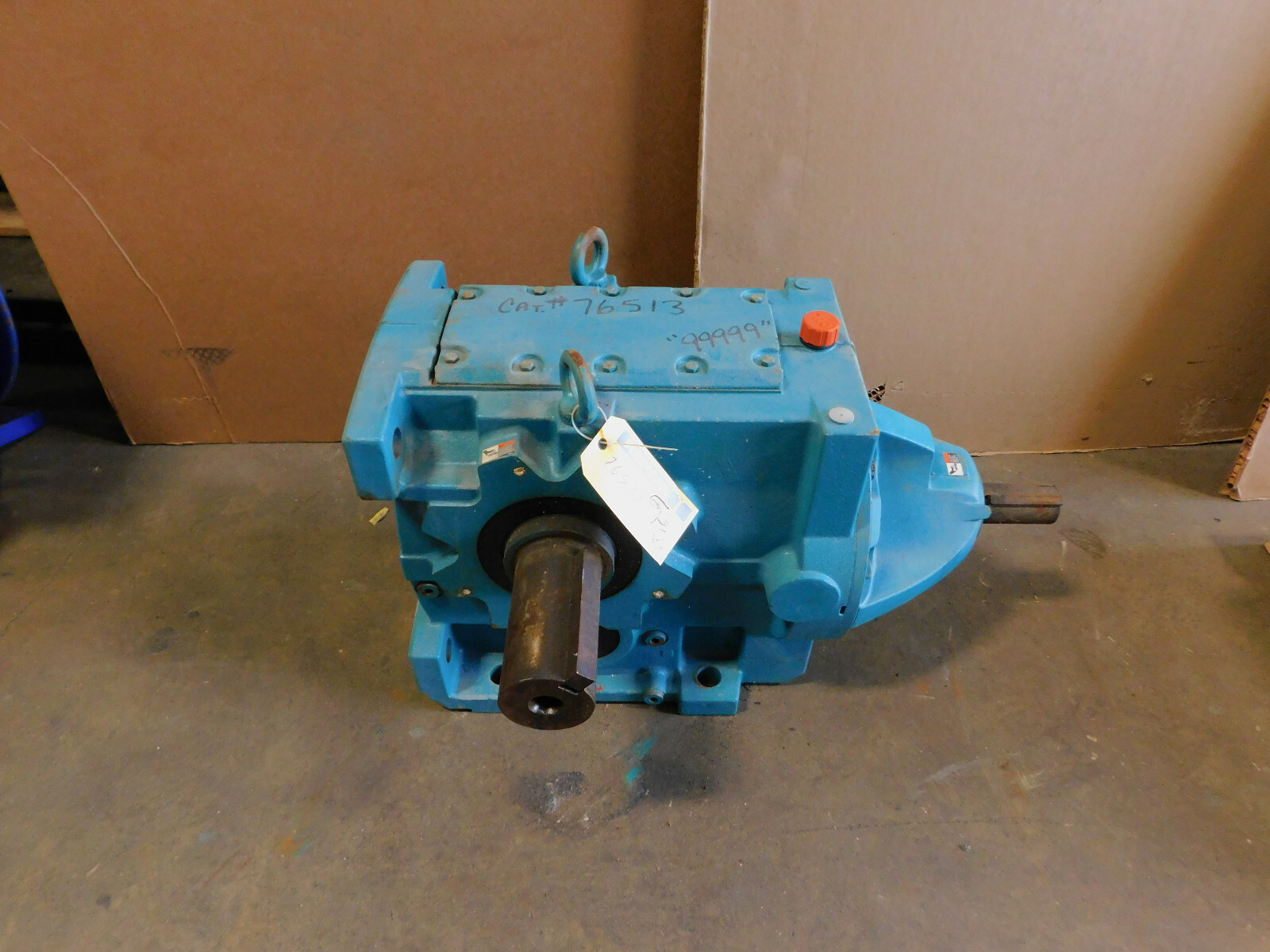
56 RPM, Rexnord #SKZN75C31.5I, Right Angle Gear Drive, L1 Mount NEW
Right Angle Gear Increasers and Reducers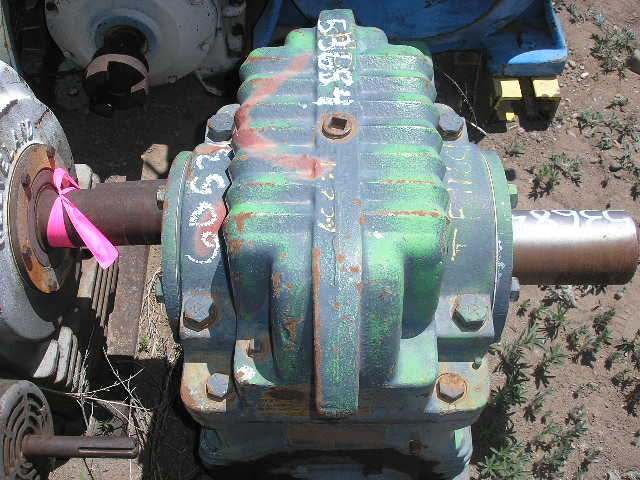
51 HP @ 583/1 RPM, Cleveland #25-70RFA, Worm Gearbox, 600:1 Ratio, 1.75 service factor
Worm Gearboxes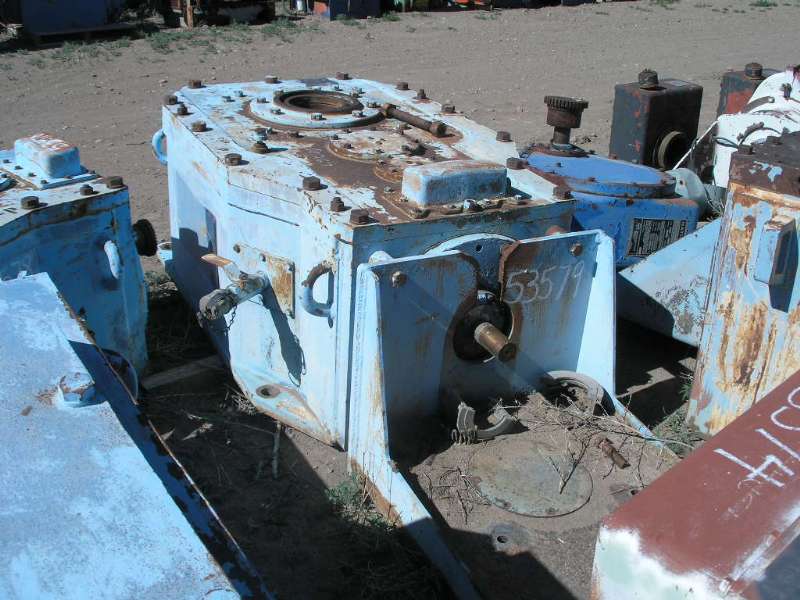
75 HP @ 1780 RPM, Lightnin(Falk) #LAR150-LS(2120YBX3-L), Right Angle Gearbox, 48.10 :1 Ratio, 2.73 service factor
Right Angle Gear Increasers and Reducers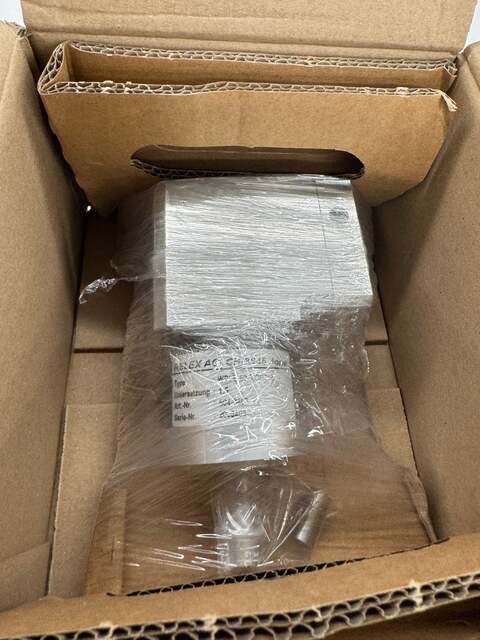
Relex Acme-Gridley Right Angle Planetary Gearbox WPLE 60, Art.-Nr. 604-0486
Planetary Gearboxes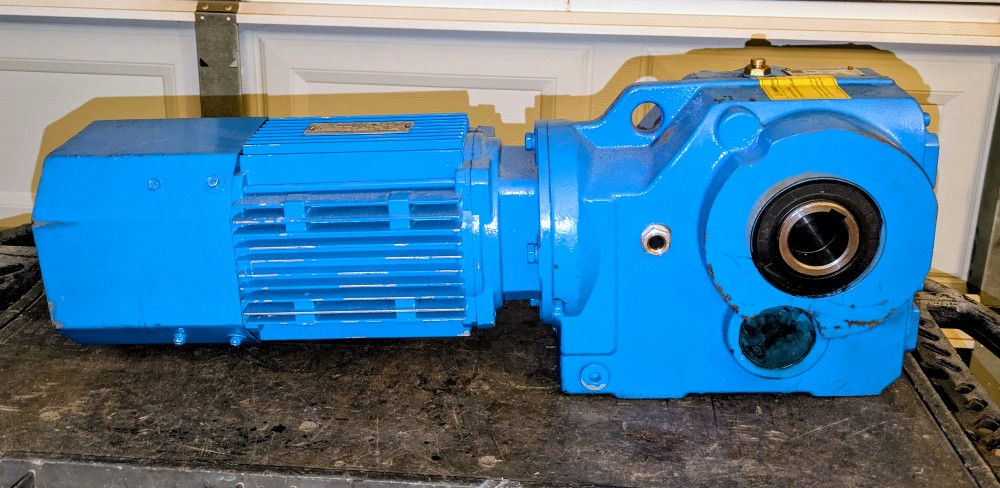
Eastwell Gearbox 90 degree helical-bevel with 460V Electric Motor
Right Angle Gear Increasers and Reducers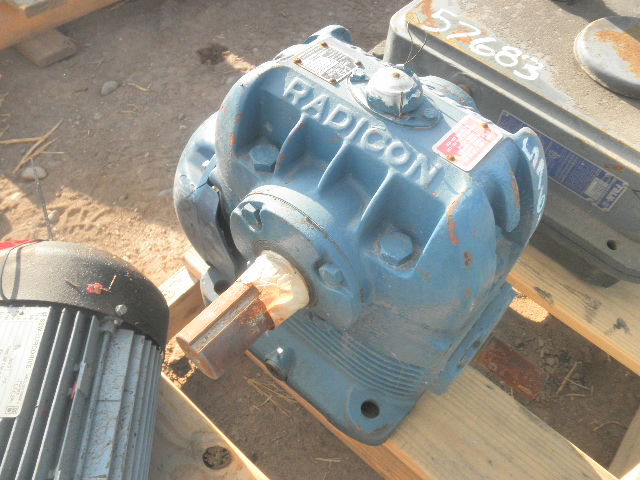
32 HP @ 1450/24 RPM, Radicon #AU400-8, Worm Gear Reducer Gearbox, 60:1 Ratio, 24 kW
Worm Gearboxes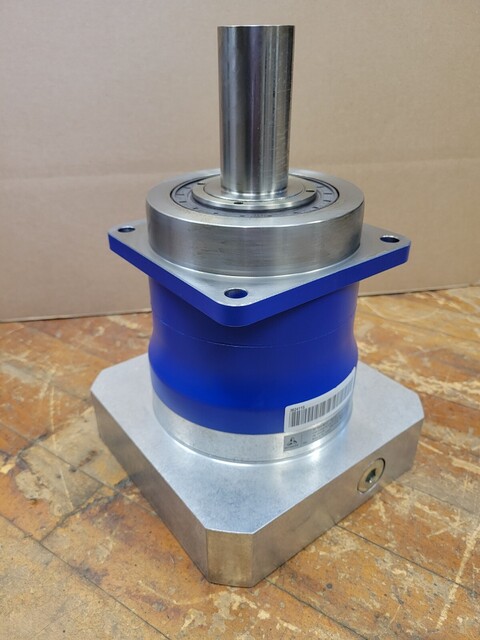
Alpha Wittenstein #SP140S-MF1-3-OK1-2S, Planetary Gearbox Single Stage Ratio 3:1
Planetary Gearboxes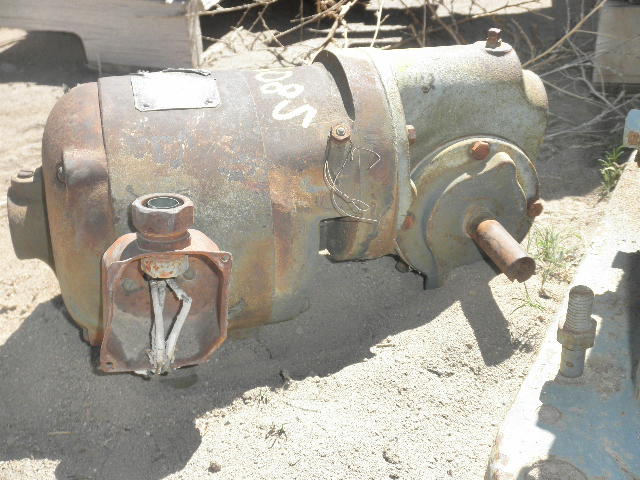
1/6 HP, Master #147043, Right Angle Gearmotor, 1.00 :1 Ratio
Right Angle Gear Increasers and Reducers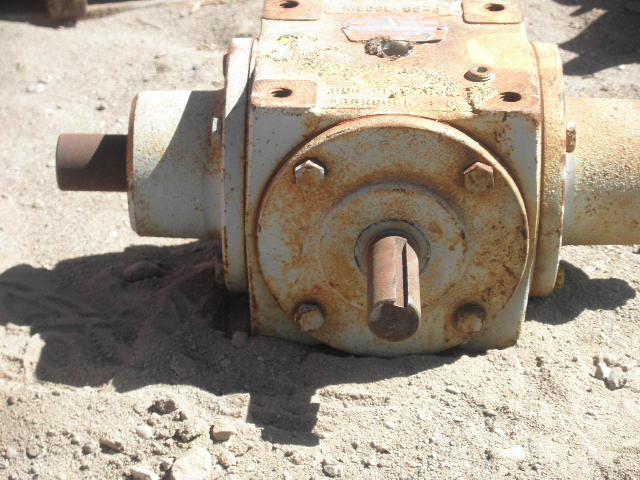
20 HP @ 1150 RPM, Hub City #66-4-GG, Right Angle Gearbox, 2.00 :1 Ratio, 2300 RPM Output
Right Angle Gear Increasers and Reducers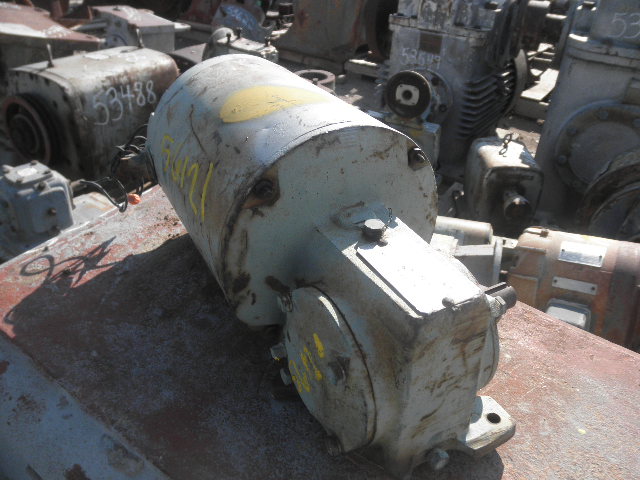
0.75 HP @ 1750/350 RPM, Reliance #56WG12A, Worm Gearbox, 5:1 Ratio, 3 phase, 1.0 service factor, 230/460 V
Worm Gearboxes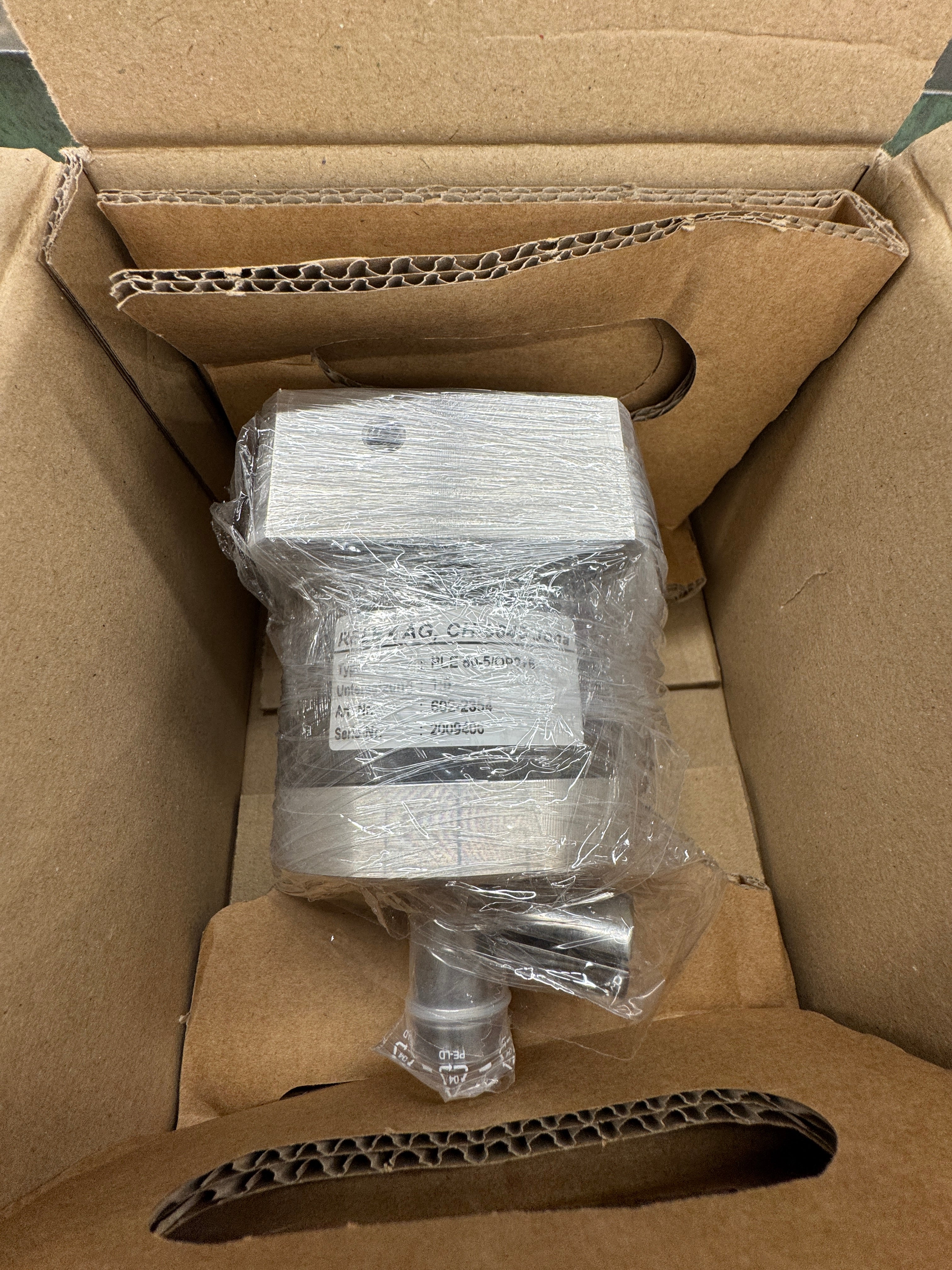
Neugart Planetary Gearbox PLE 80-5/OP2+6 | Art.Nr. 602-2354
Planetary Gearboxes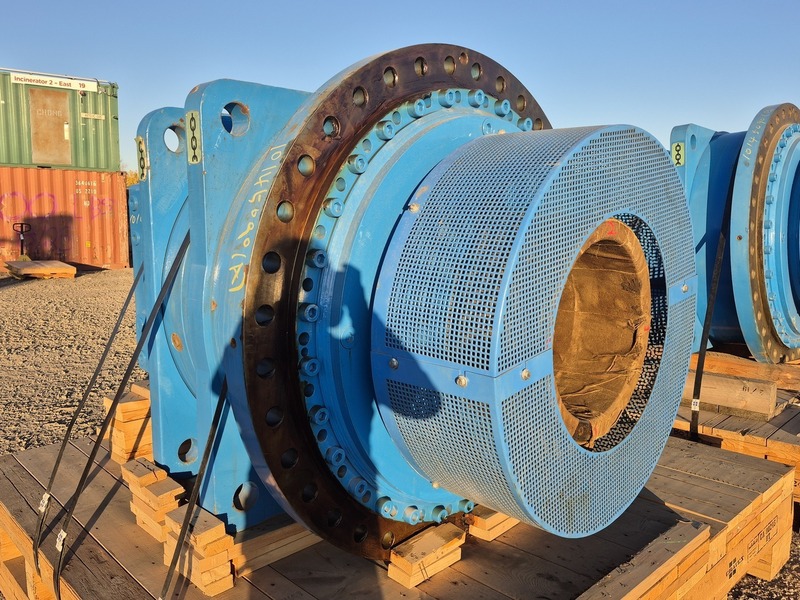
Flender, 180.9:1 Gearbox w/ Bevel-Helical Planetary Gear Unit, 2-Stage, Size 30, 2013, like new (2 available)
Planetary Gearboxes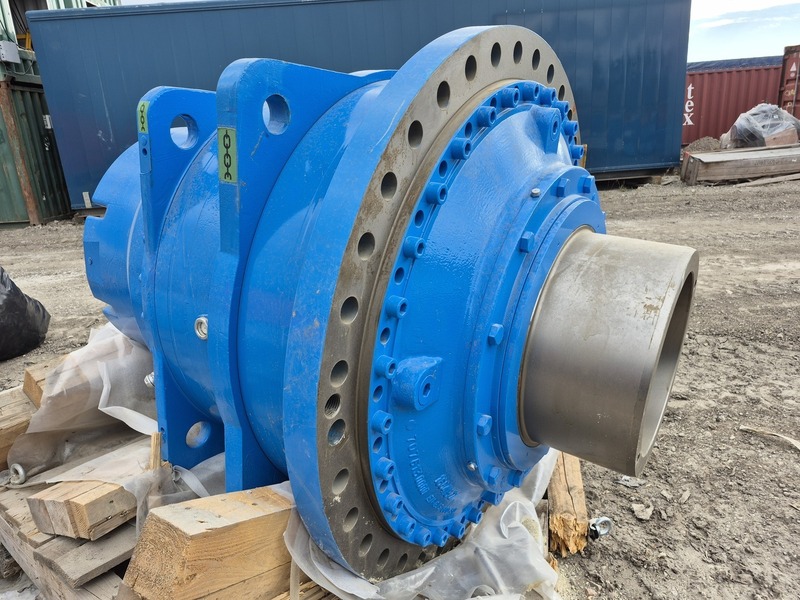
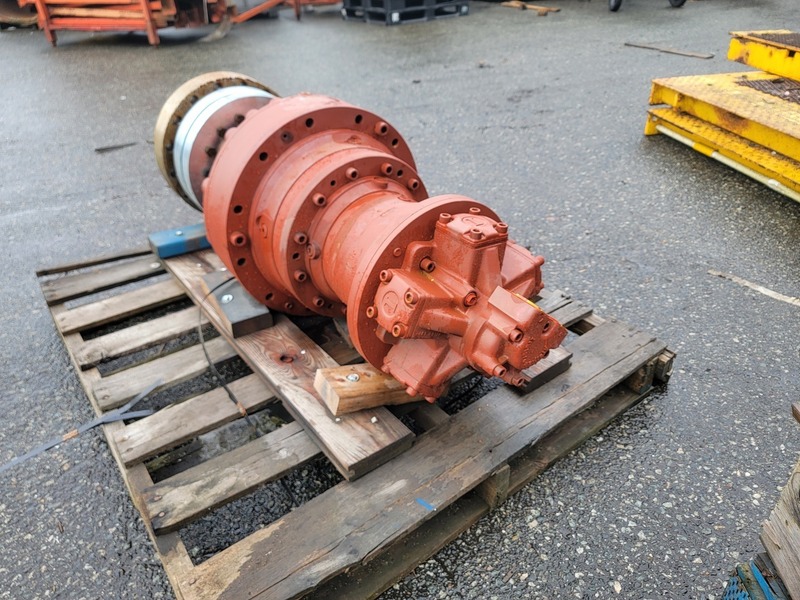
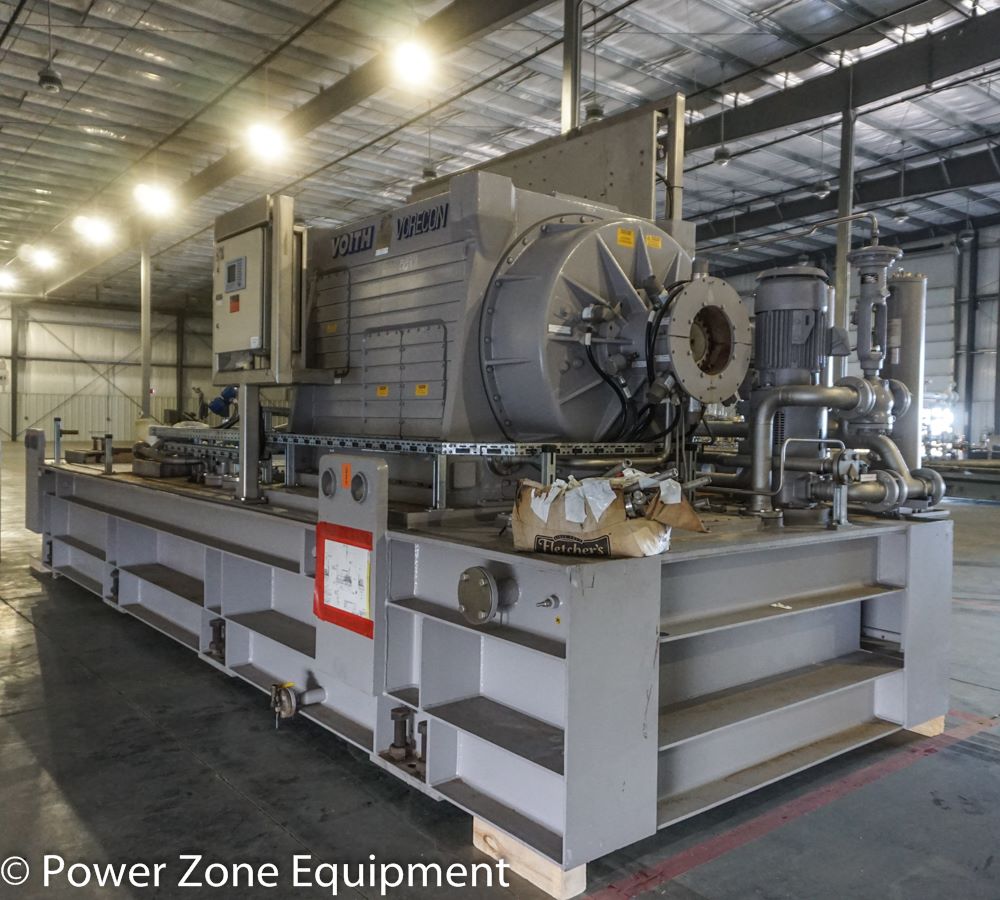
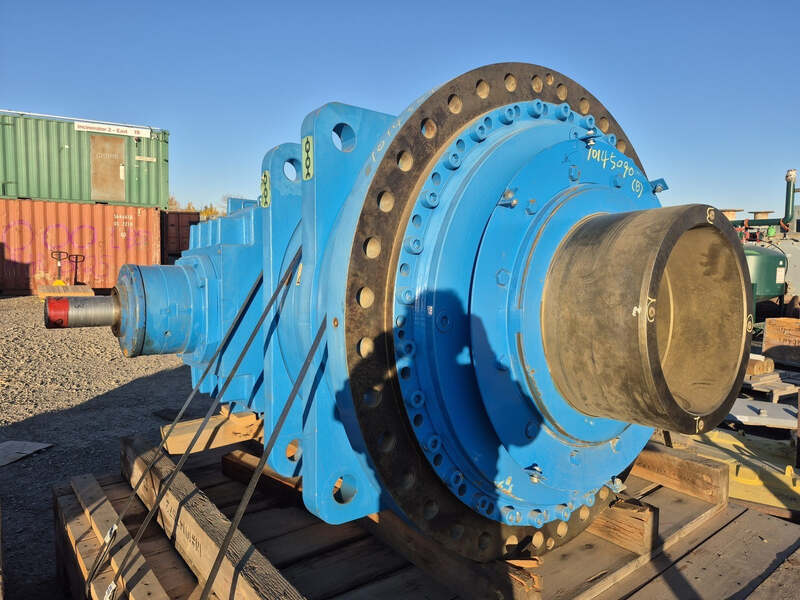
Popular Speed Increaser Listings
Popular equipment based on listing views over the past month.
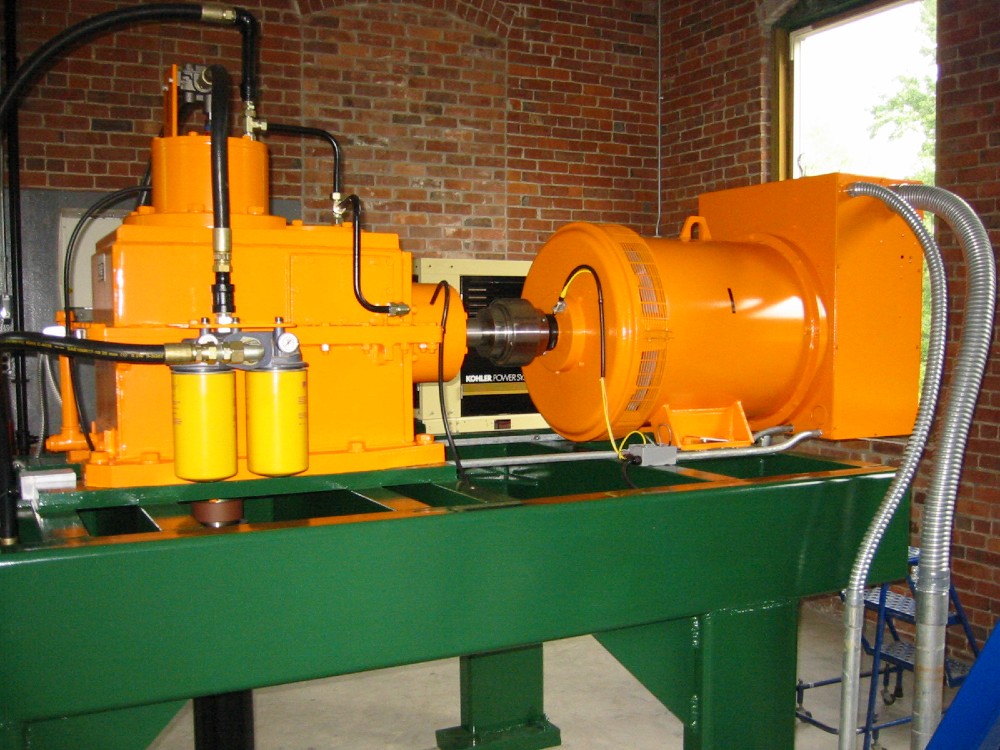
219 HP @ 226 RPM input, 1500 RPM output, Setra Gear #SG-BH-2, gear speed increaser, 6.63 :1 ratio, w/oil pump, filters & lines, 2000 (2 available)
Gear Increasers, Without Driving Unit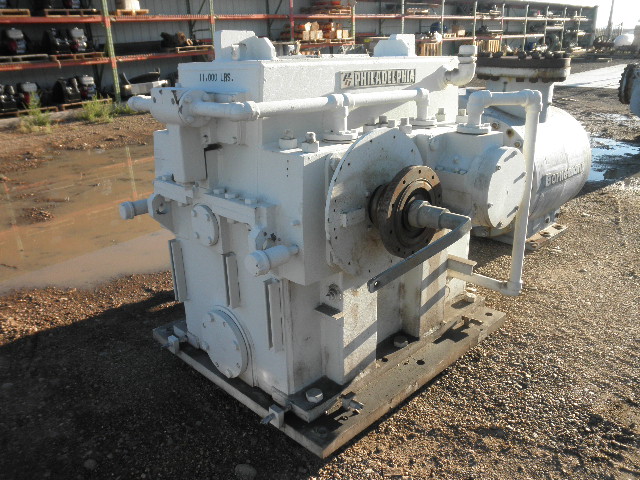
6500 HP @ 1785 RPM input, 7081 RPM output, Philadelphia #15HS, parallel shaft gear increaser, 3.96 :1 ratio, unused surplus
Gear Increasers, Without Driving Unit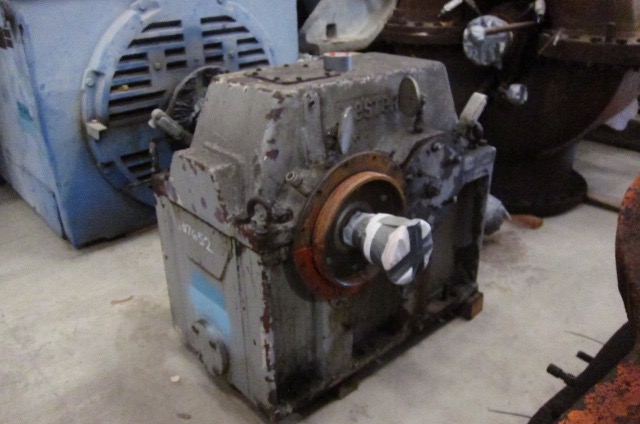
3000 HP @ 1755 RPM input, 8537 RPM output, Western #4115, gear speed increaser, 4.73:1 ratio
Gear Increasers, Without Driving Unit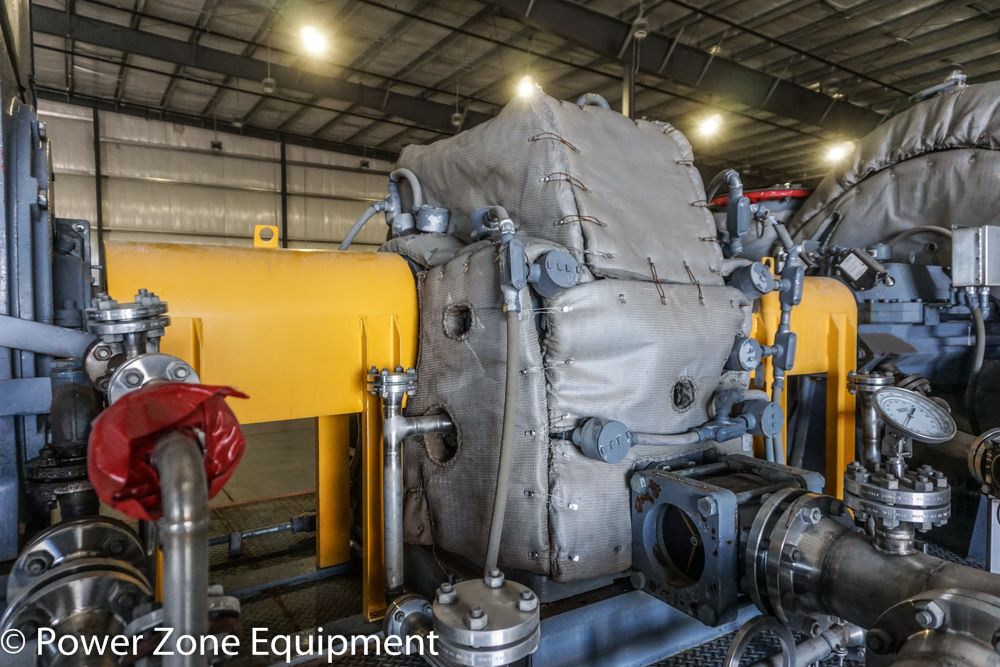
3450 HP @ 1788 RPM input, 7651 RPM output, Lufkin #N1802C, parallel shaft gear increaser, 4.27 :1 ratio, unused surplus
Gear Increasers, Without Driving Unit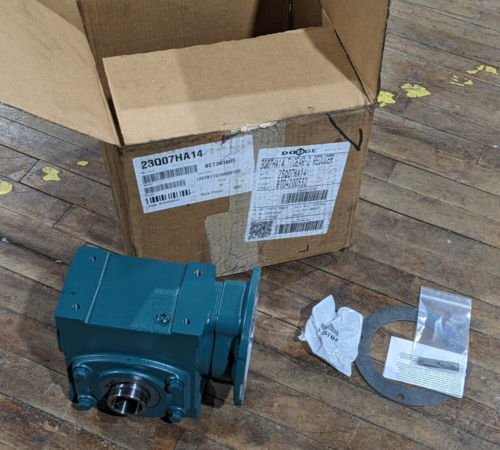
5 HP @ 1750 RPM input, 233 output, Dodge #Tigear-2, Worm Gear Speed Reducer, Ratio 7.5:1, Std Right Angle, P/N 23Q07HA14
Gear Increasers, Without Driving Unit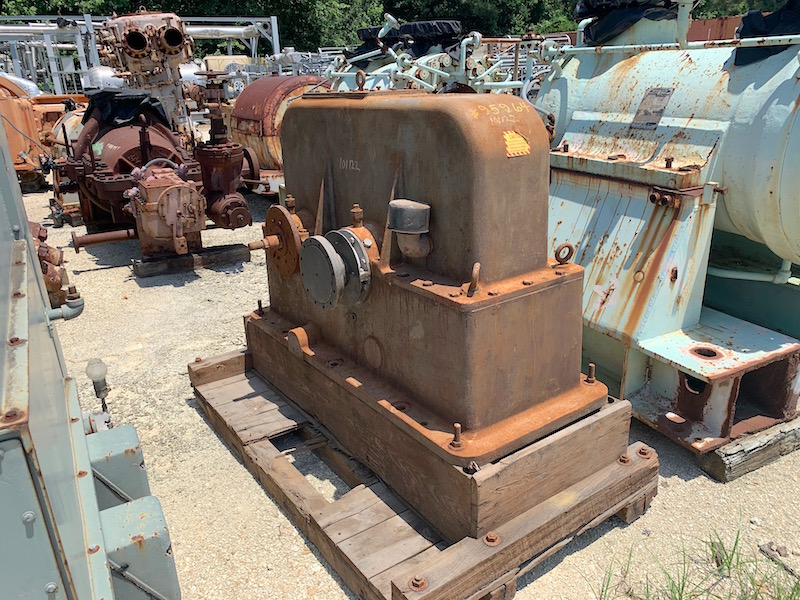
4000 HP @ 1785 RPM input, 8863 RPM output, General Electric #S-224-AM2, gear speed increaser, Rebuilt
Gear Increasers, Without Driving Unit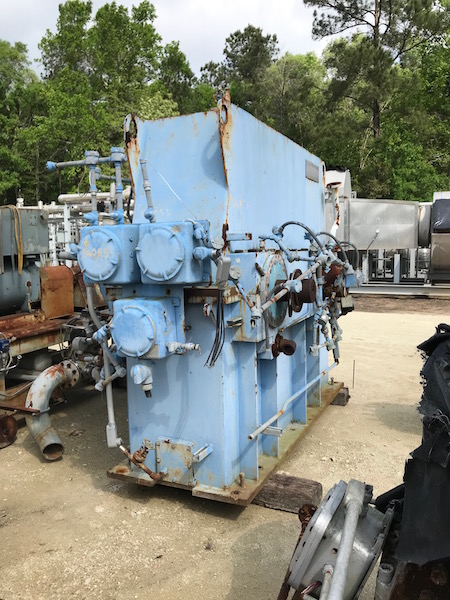
21000 HP @ 1200 RPM input, 10890 RPM output, Westech #450-HSC-150S, high speed increaser, 9.07 :1 ratio, 1.4 service factor API
Gear Increasers, Without Driving Unit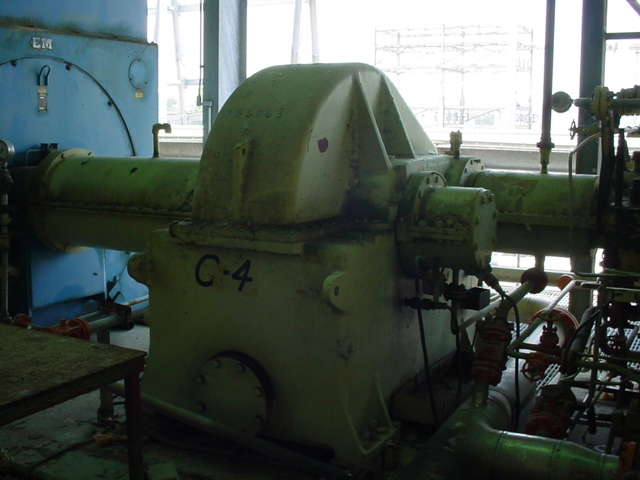
8000 HP @ 1783 RPM input, 10983 RPM output, DeLaval #HG-H-12, high speed helical increaser, 6.17 :1 ratio, 1.4 service factor (2 available)
Gear Increasers, Without Driving Unit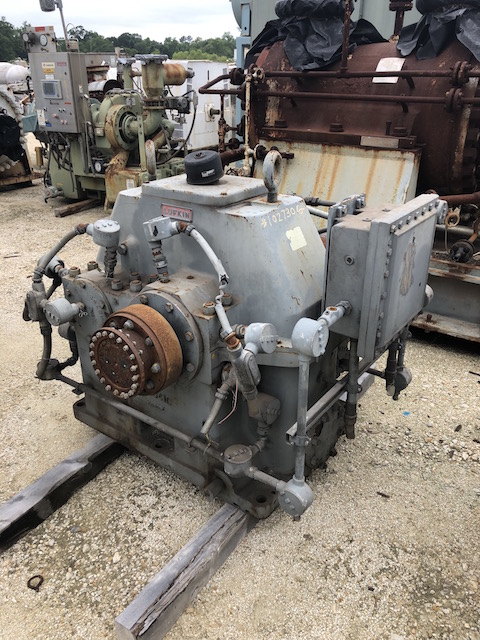
2500 HP @ 1790 RPM input, 9513 RPM output, Lufkin #N1602C, gear speed increaser, 5.31 :1 ratio, API 613
Gear Increasers, Without Driving Unit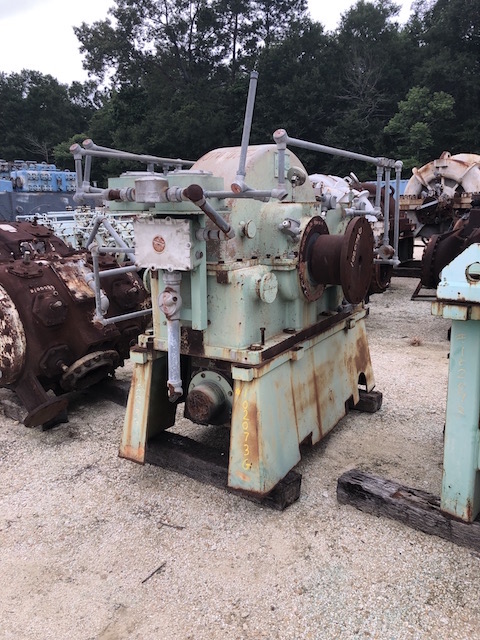
12446 HP @ 1780 RPM input, 13149 RPM output, Maag #GN-70, gear speed increaser, 7.37 :1 ratio, sleeve type, forced feed oil lube
Gear Increasers, Without Driving Unit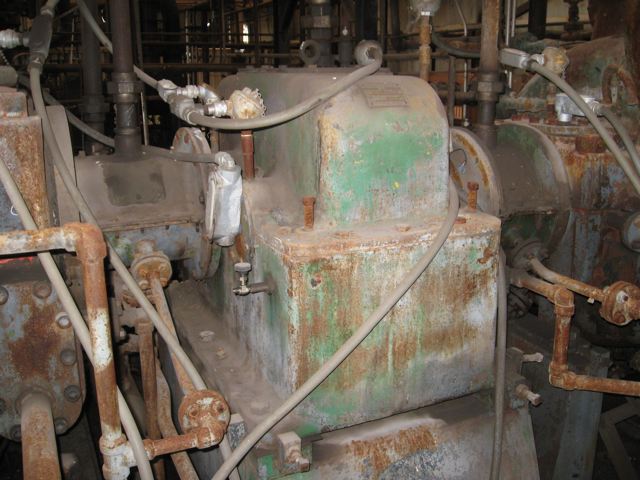
3267 HP @ 5875 RPM input, 10413 RPM output, General Electric #S-234-BH, gear & pinion speed increaser, 1.78:1 ratio, CW rotation
Gear Increasers, Without Driving Unit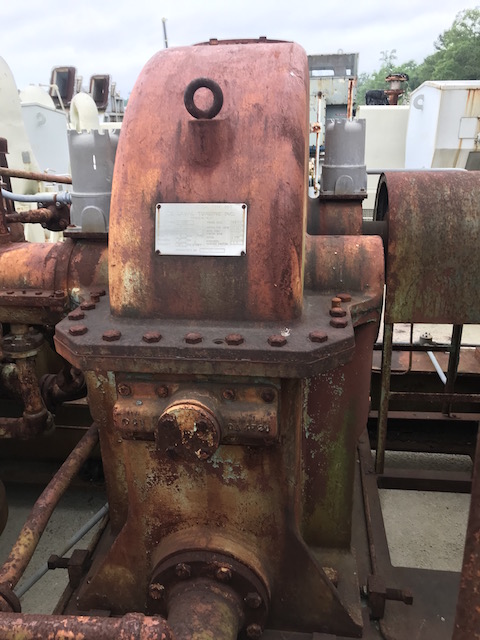
3500 HP @ 1780 RPM input, 12416 RPM output, DeLaval, frame HO-F10, 6.97 ratio, high speed helical gear
Gear Increasers, Without Driving Unit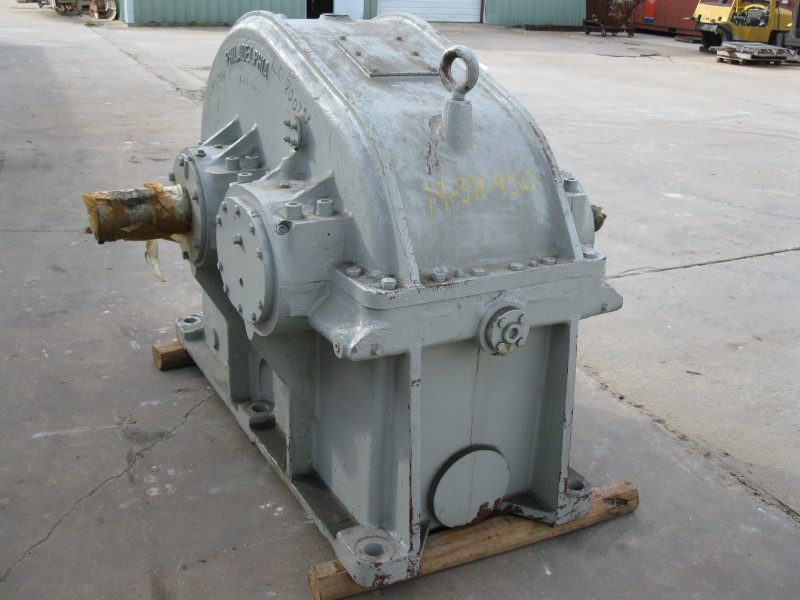
Find a gearbox that fits your machine
Start with the gearbox type, required output speed, and load. Then compare available equipment and talk with the seller about the exact shafts, mounting, condition, and included components. A clear specification makes the search much easier.




