Tube and pipe benders are essential for shaping metal tubes and pipes with precision, but they can experience various issues that affect their performance and longevity. Recognizing the common causes of failure is important for maintaining their efficiency and determining when a replacement is necessary. This guide explores typical problems that impact tube and pipe benders and offers insights on identifying the signs that indicate it might be time to invest in a new machine.

Tooling Wear
Tooling wear is a prevalent issue that can greatly affect the efficiency and quality of tube and pipe benders. Over time, components such as bending dies and mandrels wear down or suffer damage, resulting in subpar bending quality and additional strain on the machine.
Signs of tooling wear include visible wear on the tools, inconsistent bend angles, and increased difficulty during the bending process. Routine inspection and upkeep of the tooling are crucial for maintaining accurate and efficient performance. However, if tooling wear is a recurring problem despite regular fixes, it may suggest deeper issues with the machine or the materials being processed.
Consistent tooling wear can degrade bend quality and hinder the machine’s overall functionality. When tooling wear causes frequent operational issues and escalates repair costs, it may be necessary to replace the tube and pipe bender.
Material Slippage
Material slippage is a critical issue in tube and pipe bending operations that can lead to inaccurate bends and potential damage to the machine. Slippage occurs when the tube or pipe is not securely clamped or held in place, causing it to move around during the bending process. This movement can result in uneven bends, inconsistent angles, and poor overall quality.
Signs of material slippage include visible marks on the tube, distorted bends, and irregular bend angles. Regular upkeep of clamping mechanisms and ensuring proper setup can help prevent slippage. However, if material slippage continues despite these efforts, it may indicate that the clamping system or other critical components are worn out or faulty. Persistent slippage affects the quality of the bends and increases the risk of damaging the machine. When slippage issues become frequent and disrupt production, it may be necessary to replace the tube and pipe bender to ensure reliable and accurate bending operations.
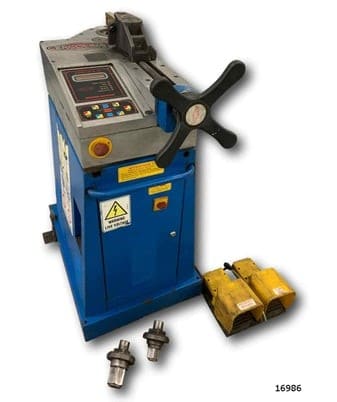
Hydraulic System Failures
Hydraulic system failures are a commonplace issue that can severely affect the performance of tube and pipe benders. These failures often result from leaks, pressure drops, or malfunctioning hydraulic components such as pumps, valves, and cylinders. Causes can include wear and tear, contaminated hydraulic fluid, and inadequate maintenance.
Symptoms of hydraulic system failures include inconsistent bending force, slow or erratic movement, and visible fluid leaks. Routine care, such as checking for leaks, replacing worn parts, and ensuring clean hydraulic fluid, can help prevent these issues. Although repeated hydraulic problems despite maintenance efforts may indicate severe wear or internal damage to the hydraulic system. When these failures become frequent, leading to significant downtime and repair costs, it may be time to replace the tube and pipe bender.
Overloading
Overloading occurs when a tube and pipe bender is pushed beyond its designed capacity, placing excessive strain on its components. This can cause various issues, such as damaged hydraulic systems, distorted frames, and accelerated wear on tooling. Signs of overloading include unusual noises, decreased bending efficiency, and visible deformations. Regularly monitoring the load and staying within the manufacturer’s recommended limits can help prevent these problems. If the machine frequently experiences overload despite these precautions, it suggests that the current bender is inadequate for the required tasks.
Persistent overloading not only leads to frequent malfunctions but also increases maintenance costs. When these issues become recurrent and costly, it may be more practical to replace the tube and pipe bender with a model that has a higher capacity, ensuring reliable and efficient operation for your bending needs.
Improper Lubrication
Improper lubrication is a common cause of failure in tube and pipe benders. It occurs when moving parts do not receive adequate lubrication, leading to increased friction and wear. Causes include using the wrong type of lubricant, insufficient application, or irregular upkeep schedules. This lack of proper lubrication can result in overheating, excessive noise, and premature failure of components such as bearings, gears, and hydraulic parts.
Symptoms of improper lubrication include squeaking or grinding noises, sluggish operation, and visible wear on critical parts. Proper maintenance routines, including checking and applying the correct lubricants, can mitigate these issues. If improper lubrication continues despite diligent efforts, it may indicate underlying mechanical problems or design flaws that prevent adequate lubrication.
When recurring lubrication problems lead to frequent breakdowns, increased repair costs, and compromised performance, it may be necessary to replace your tube and pipe bender.
Contaminated Hydraulic Fluid
Contaminated hydraulic fluid is a concern that can lead to the failure of tube and pipe benders. Contaminants such as dirt, water, and metal particles can enter the hydraulic system, causing blockages, wear, and corrosion of components. Common sources of contamination include poor storage practices, leaks, and the use of low-quality hydraulic fluid. Symptoms of contamination include sluggish operation, unusual noises, and reduced bending precision.
Regularly inspecting and replacing hydraulic fluid can help prevent contamination-related problems. Filters should be checked and changed to ensure they effectively remove impurities. Despite these precautions, persistent issues with contaminated hydraulic fluid may indicate deeper problems within the hydraulic system, such as worn seals or damaged components that allow contaminants to enter.
If the hydraulic fluid contamination leads to frequent malfunctions, increased repair costs, and compromised performance, you should consider replacing the tube and pipe bender. A new machine with a robust and well-sealed hydraulic system can provide more reliable operation, reduce the risk of contamination, and enhance overall productivity.
Electrical Issues
Electrical issues can be the cause of failure in tube and pipe benders, often resulting from faulty wiring, control panel malfunctions, or motor problems. These issues can arise due to age, wear, and exposure to harsh working conditions. Signs of electrical problems include intermittent power loss, erratic machine behavior, and complete shutdowns. Such issues not only disrupt operations but can also pose safety hazards.
Addressing electrical problems typically involves inspecting and repairing wiring, replacing faulty components, and ensuring the control systems are functioning correctly. Despite these efforts, persistent electrical issues may suggest deeper underlying faults, such as outdated or incompatible electrical systems that are no longer efficient or safe for current operational demands.
When electrical problems become frequent and expensive to resolve, leading to significant downtime and operational inefficiencies, it’s likely time to replace the tube and pipe bender. Upgrading to a new machine with advanced and reliable electrical systems can enhance stability, improve safety, and ensure optimal performance.
When to Replace an Old Tube and Pipe Bender
Deciding when to replace an old tube and pipe bender involves assessing several factors, including the frequency of breakdowns, the cost of repairs, and persistent performance issues. Common problems such as those discussed above can negatively impact the machine’s efficiency and reliability. If these issues recur despite efforts to address them, it may be more cost-effective to invest in a new machine entirely.
Replacing an outdated tube and pipe bender can enhance productivity, improve bending precision, and reduce downtime in your facility. Upgrading to a modern bender with advanced features and robust systems ensures more reliable operation and can better meet the demands of your work.
For a wide selection of high-quality new and used tube and pipe benders, visit Surplus Record. Find the perfect machine to suit your needs and keep your operations running smoothly and efficiently.