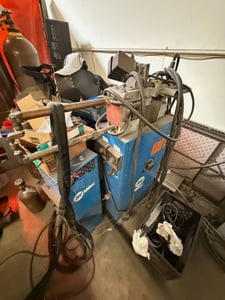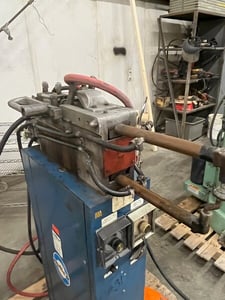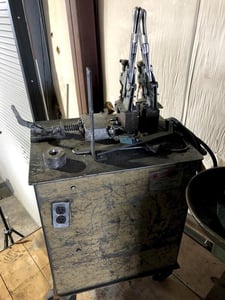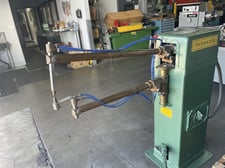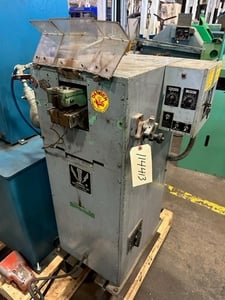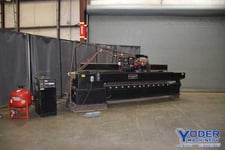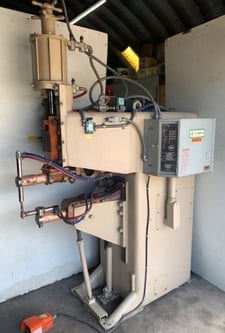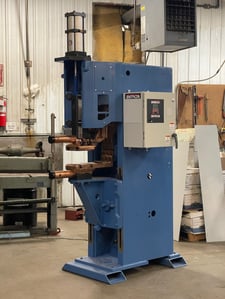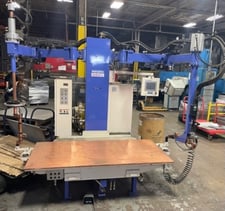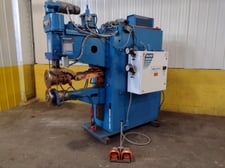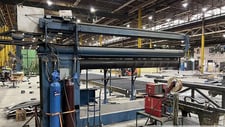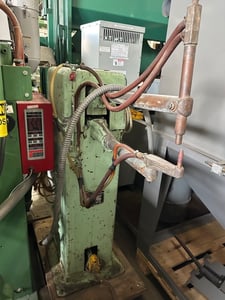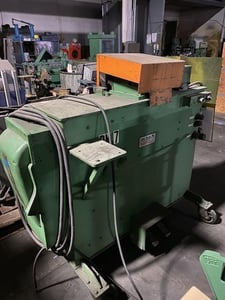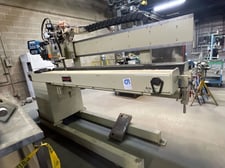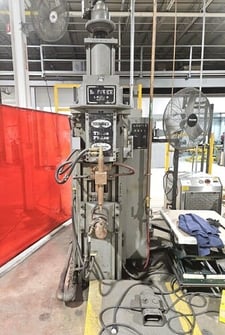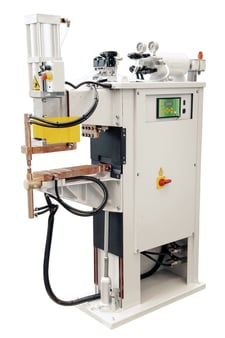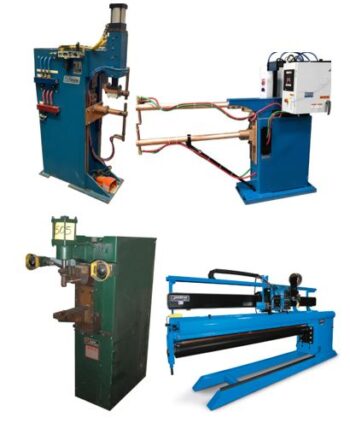
Resistance welding is an efficient and widely used metal joining process that relies on the application of heat and pressure to create strong, durable bonds between metal parts. The heat is generated by passing an electric current through the metal workpieces, which have a natural electrical resistance. This resistance causes the metal to heat up, and under the applied pressure, the workpieces fuse together, forming a weld. Resistance welding is used for a variety of applications, primarily in industries such as automotive, aerospace, construction, and electronics. It is particularly suitable for joining sheet metal, wires, and tubes. The technique offers several advantages, including:
- Speed: Resistance welding is a fast process, making it ideal for high-volume production environments.
- Energy efficiency: The localized heating minimizes energy consumption, resulting in a cost-effective welding method.
- Consistency: The process can be easily automated, ensuring consistent, high-quality welds.
- No filler material required: Unlike other welding methods, resistance welding doesn’t typically require any filler materials, reducing overall material costs.
- Minimal post-weld finishing: Resistance welding produces clean, strong joints with minimal distortion, which reduces the need for additional finishing work.
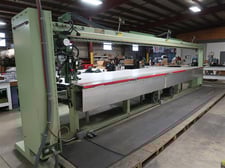
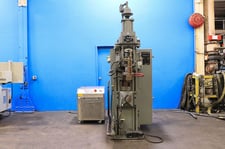
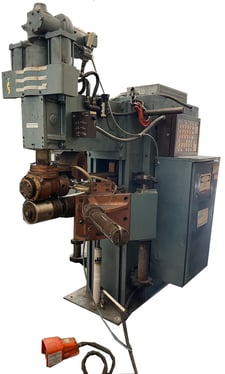
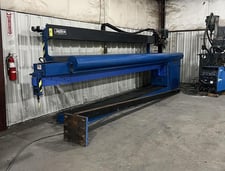
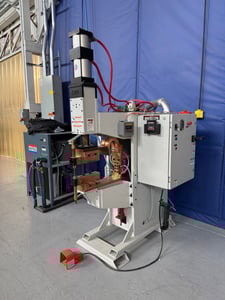
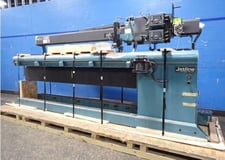
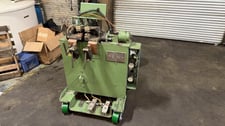
Some common types of resistance welding include spot welding, projection welding, seam welding, and butt welding. Each type is designed for specific applications and materials, making resistance welding a versatile and invaluable process in manufacturing and fabrication.