For Sale by Enerpat

Description
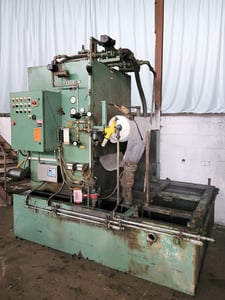
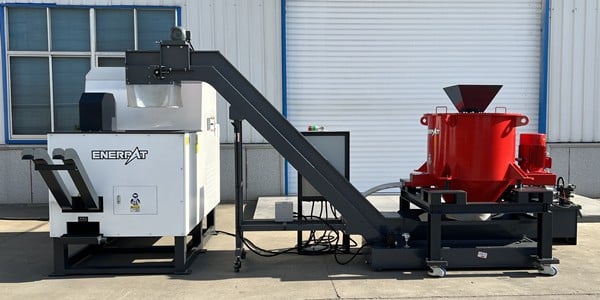
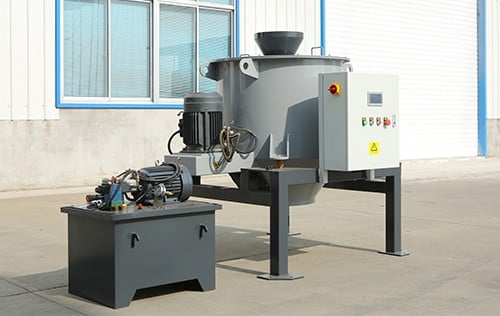
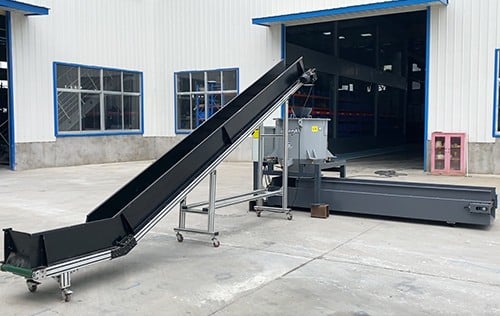
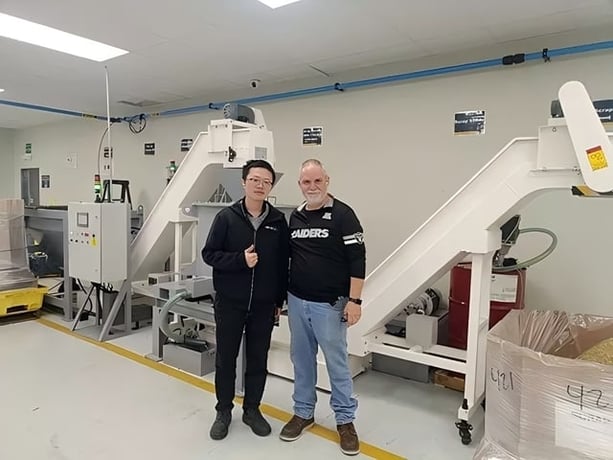
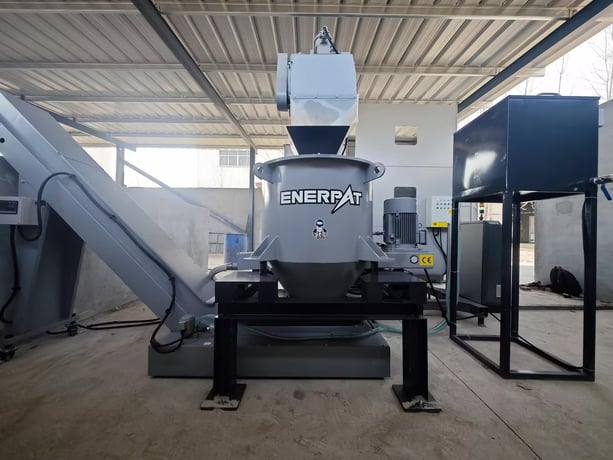
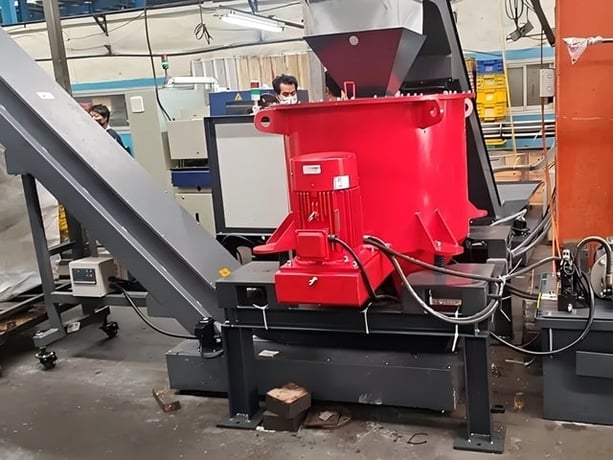
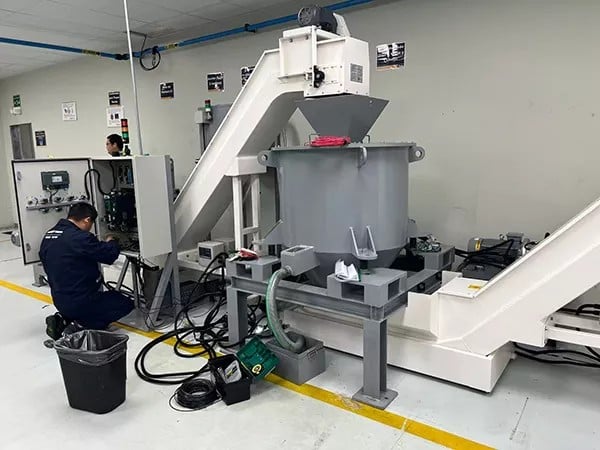
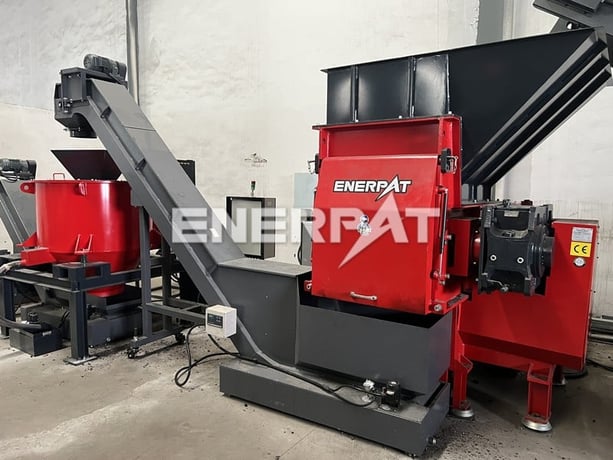
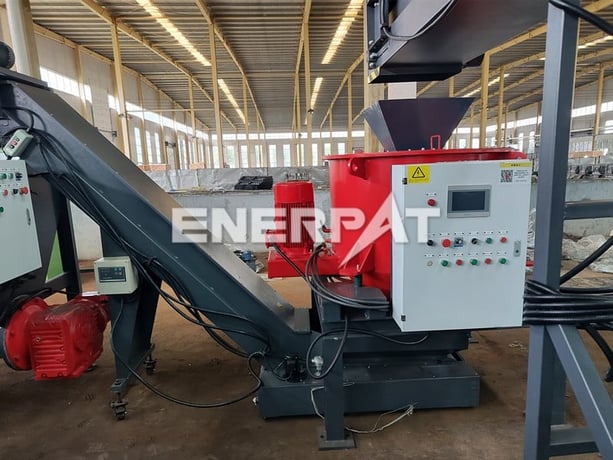
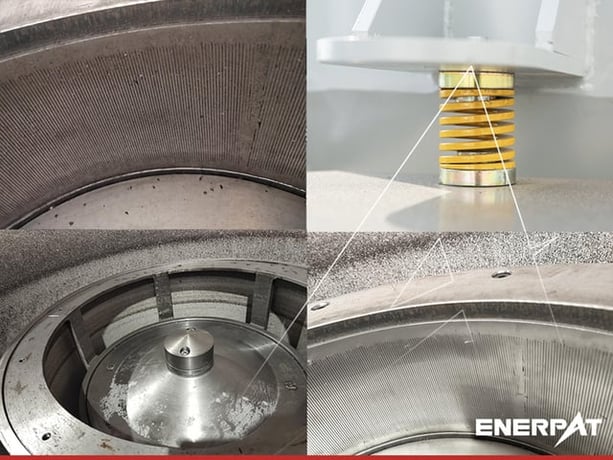
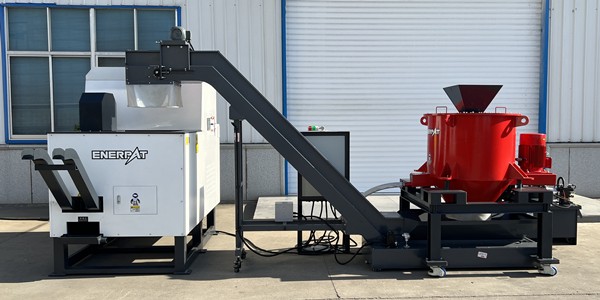
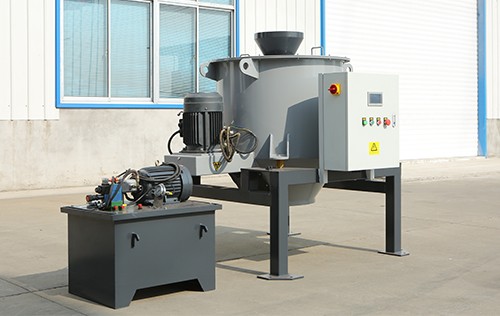
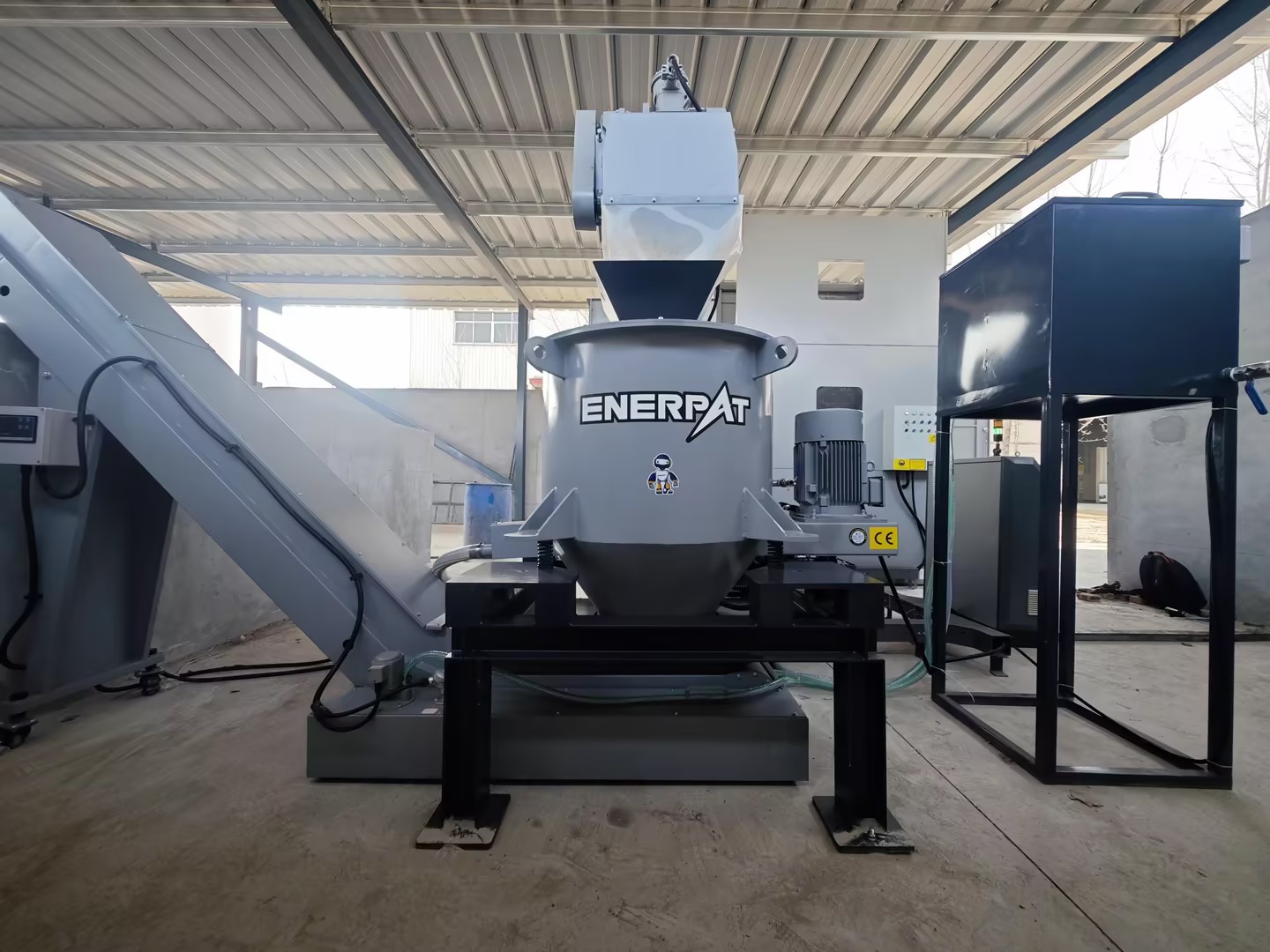
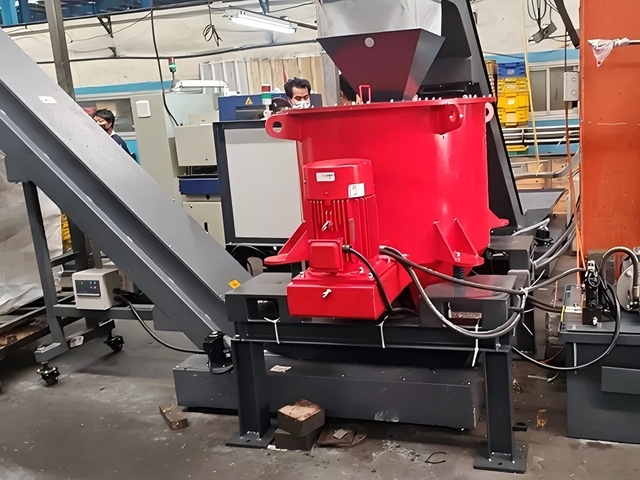
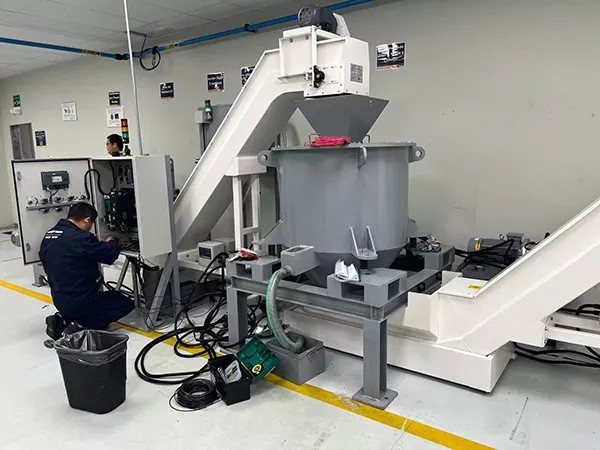
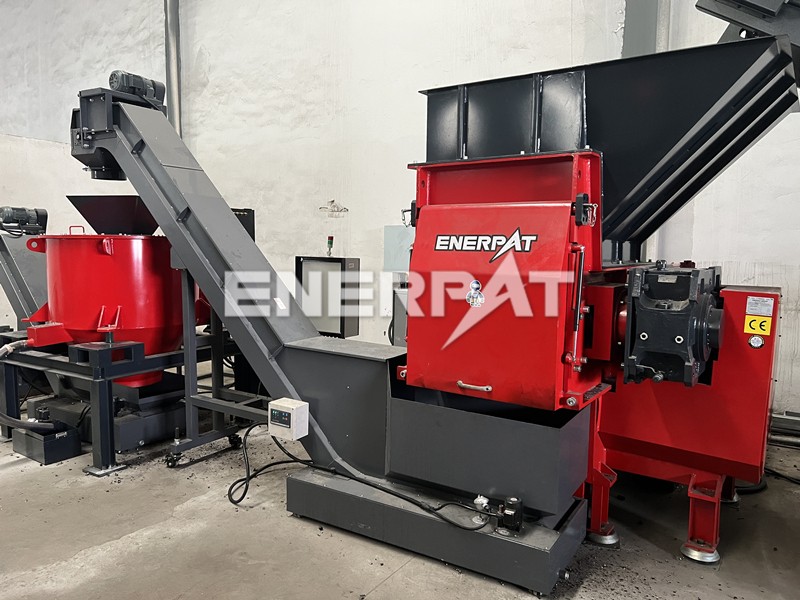
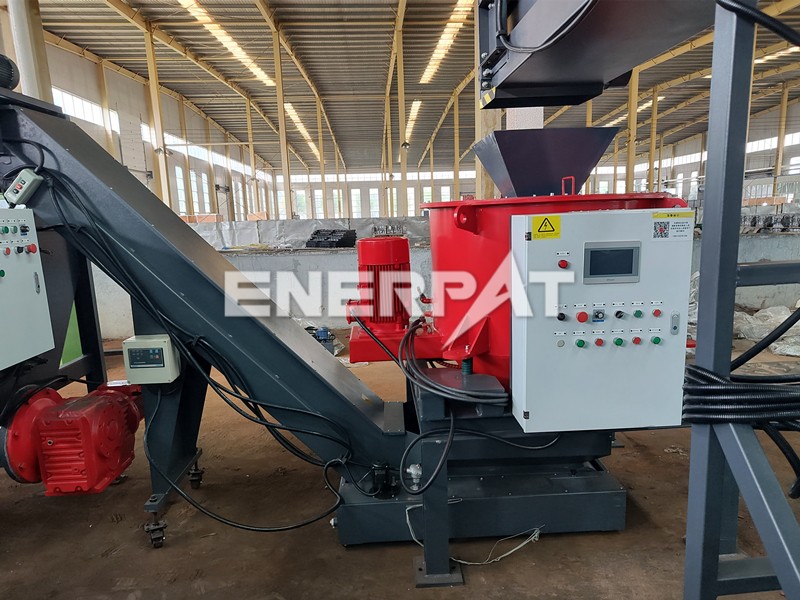
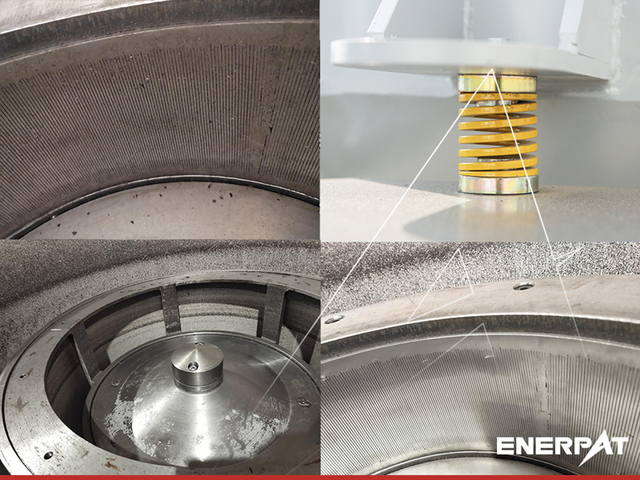
ENERPAT Metal Chip Wringer / Centrifuge, 97% Oil Removal
This chip wringer recovers up to 97% of valuable cutting fluids from metal chips, turning waste into reusable production savings and significantly reducing coolant consumption costs.
By removing excess oil and coolant from machining chips, the system helps manufacturers lower operating costs, reduce hazardous waste disposal fees, and improve overall shop profitability. Typical users achieve a payback period of 6–18 months depending on production volume.
Designed for CNC machining operations including lathes, mills, grinders, and turning centers, where large volumes of metal chips are generated daily.
Helps meet OSHA and EPA waste handling requirements by eliminating oil dripping during chip storage and transport, reducing environmental compliance risks and disposal costs.
Suitable for steel, aluminum, stainless steel, copper, brass, titanium, and magnesium alloy chips.
Available in multiple capacities with basket diameters ranging from 16" to 32".
| Model | Basket Diameter | Residual Oil | Motor Power | Max Speed | Chip Size Range | Overall Dimensions (L×W×H) |
| ED-400 | 15.7" | 3% – 5% | 5 HP | 1200 RPM | 1.2" – 2" | 63" × 55" × 63" |
| ED-600 | 23.6" | 3% – 5% | 7.5 HP | 1200 RPM | 1.2" – 2" | 79" × 55" × 67" |
| ED-800 | 31.5" | 3% – 5% | 10 HP | 1200 RPM | 1.2" – 2" | 102" × 71" × 75" |
FAQ – Metal Chip Wringer
Q1: What is a metal chip wringer used for in CNC machining?
A metal chip wringer is used to remove cutting fluids and coolant from metal chips generated in CNC lathes, mills, grinders, and turning centers, improving recycling efficiency and reducing waste disposal costs.
Q2: How does a chip wringer improve coolant recovery efficiency?
It uses high-speed centrifugal force to recover up to 97% of cutting fluids from metal chips, allowing coolant to be reused and significantly reducing operating costs.
Q3: Is this a chip wringer or a chip centrifuge system?
It functions as both a chip wringer and centrifugal separator, designed to dry metal chips and separate coolant for reuse.
Q4: What industries use metal chip wringers?
They are widely used in metalworking, CNC machining, automotive manufacturing, aerospace, and general fabrication shops.
Q5: Does a chip wringer help meet OSHA and EPA requirements?
Yes. It helps produce drip-free chips and reduces hazardous waste handling risks, supporting OSHA and EPA compliance in machining operations.
Q6: What is the ROI of a chip wringer system?
Most users achieve a return on investment within 6–18 months depending on coolant usage, chip volume, and production intensity.
Q7: What is the difference between a chip wringer and a chip dryer?
A chip wringer uses centrifugal force to remove liquid coolant, while a chip dryer typically refers to thermal or mechanical drying systems.
Q8: Can this chip wringer be integrated with a briquetting system?
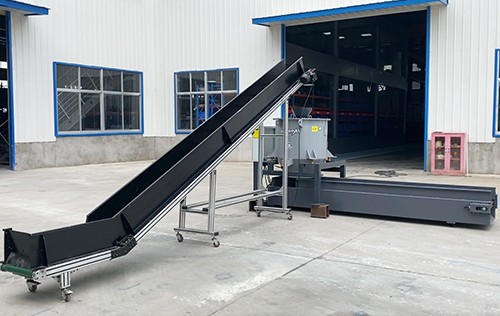
Yes. In many machining operations, the chip wringer is used as the first step in a complete metal waste recycling process. After removing coolant and producing dry chips, the material can be directly fed into a briquetting press to further reduce volume, lower transportation costs, and maximize scrap value recovery.
Get Your Price from Enerpat!
Buyers Who Viewed This Listing Also Viewed:
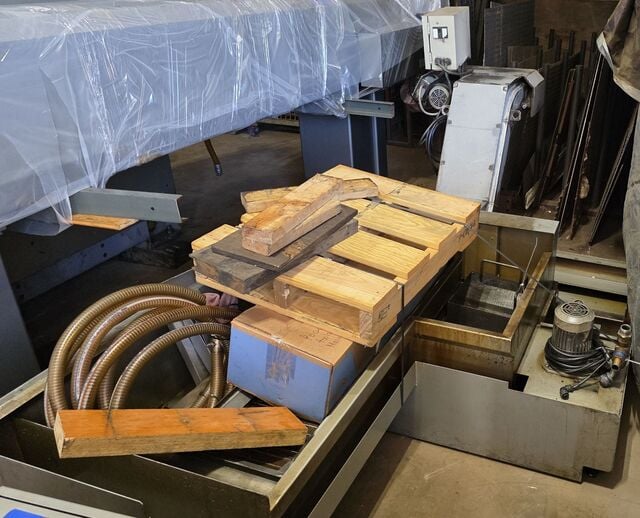
Citizen #M32, chip conveyor and coolant, off a M32V, 2007
Inter-Source #CA-6200, continuous chip processing, 1500 lb. max capacity, 2 HP, 1999
Inter-Source, complete chip processing s, 3000 lb/hr aluminum, chip shredder